Why Black Tie Is Worn Only After Six
Where the after six rule of black tie comes from, what daytime formal dress is, and how to read the rule flexibly in tropical climates and modern events.
Editor: Mon Amie · Published · about 3 min read
In this article
The rule that a tuxedo is worn only after six comes from the way British and European society divided the day in two: daytime has its own formal dress, the evening has its own, and the boundary falls around six in the evening. The rule is no longer as rigid as it once was, but knowing where it comes from helps you decide when to keep it and when to bend it.
The "after six" rule and its roots
In classic dress convention, evening dress is for the evening, once it is dark and the day's business has ended. Six o'clock was a shorthand for "the evening begins", not an absolute limit. In many temperate countries dusk arrives around that hour, which made the mark sound reasonable.
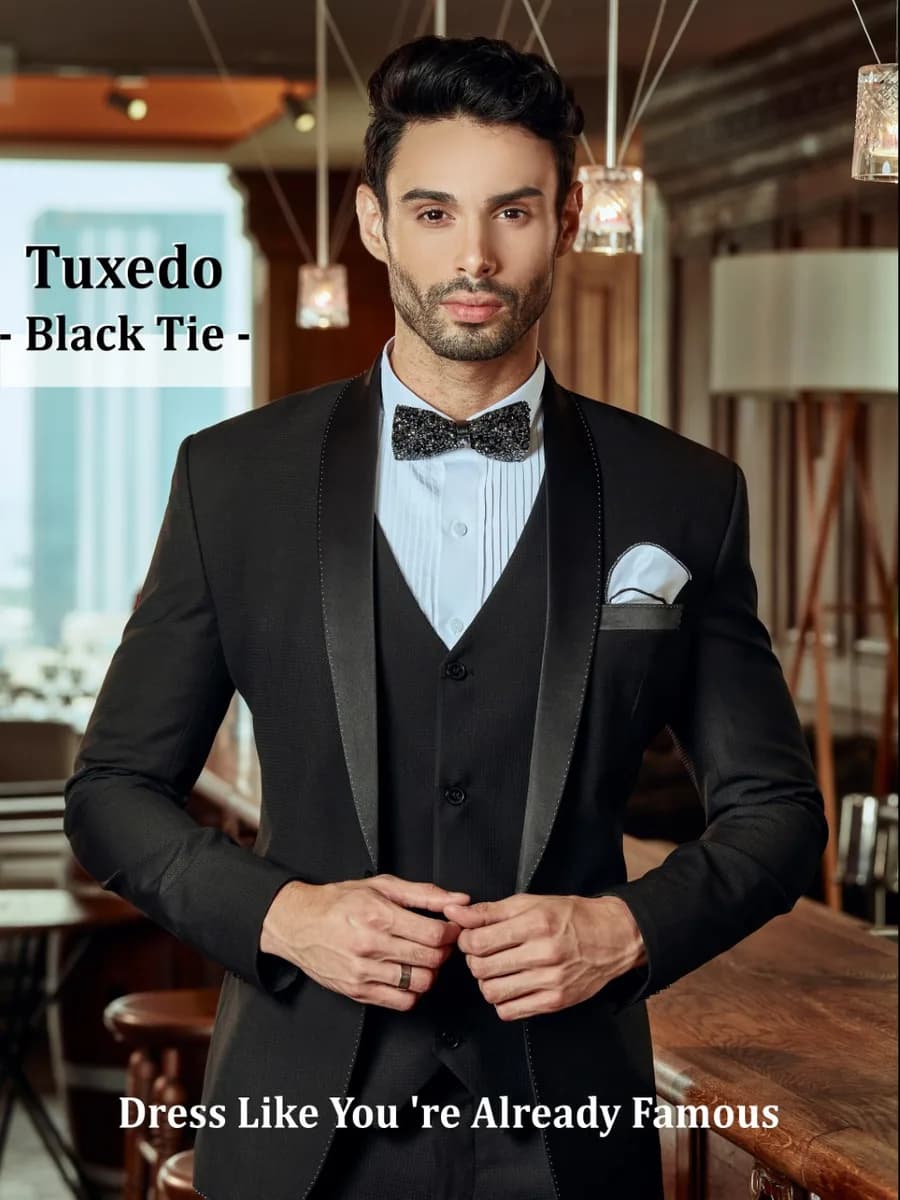
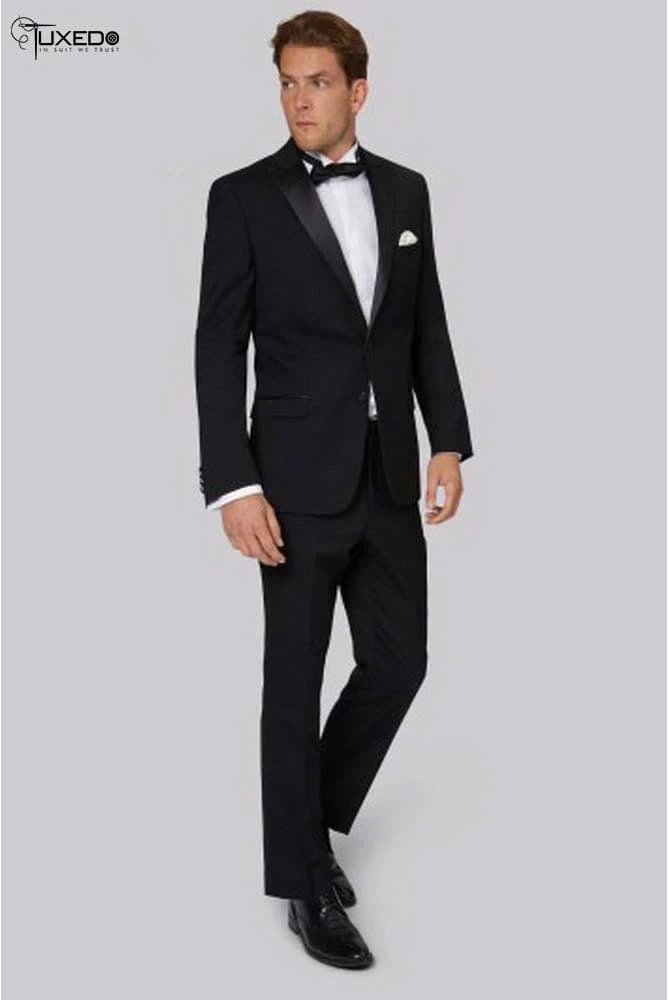
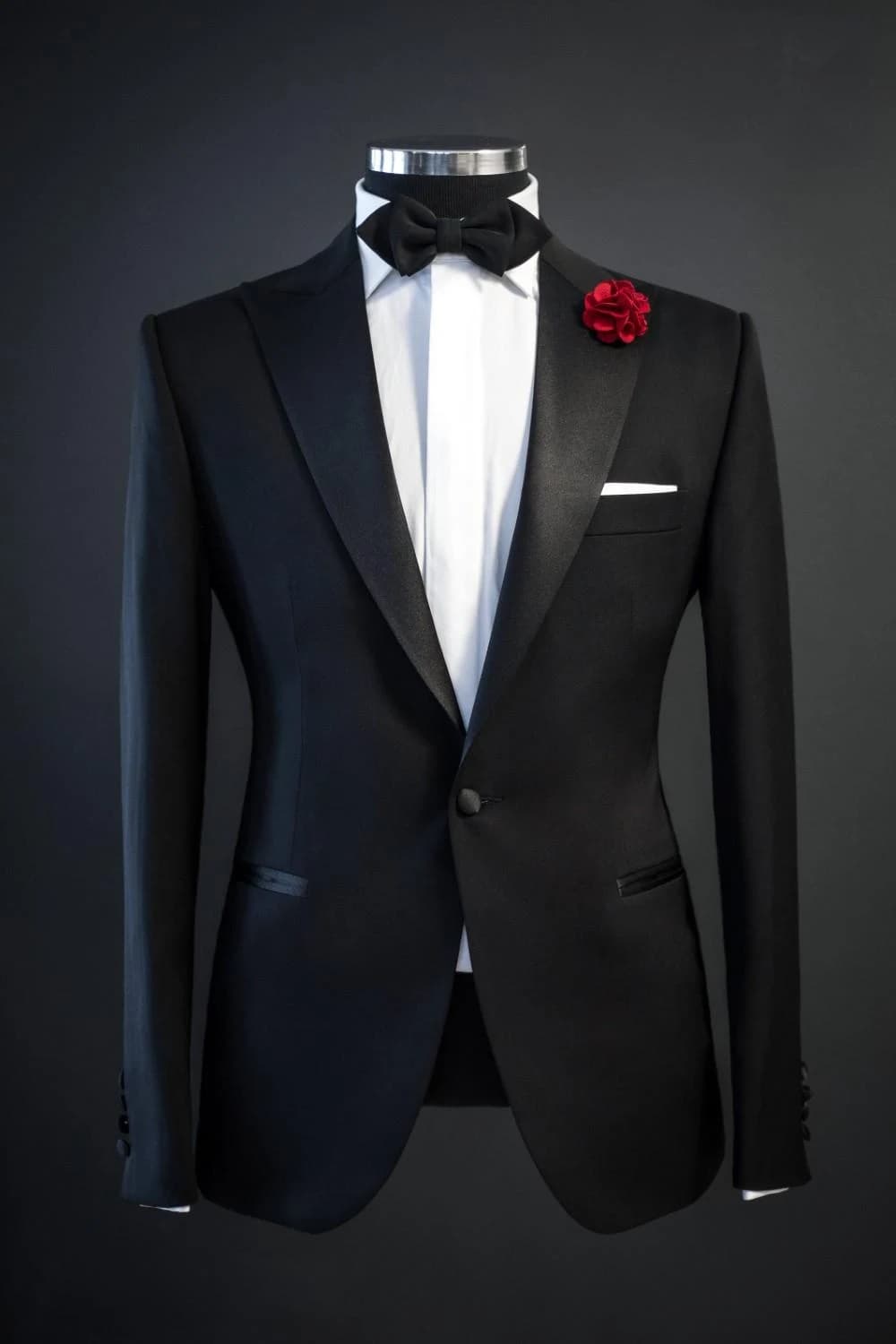
The dinner jacket was originally made for private dinners at home or at the club, not for public daytime events. That is why sunlight and the tuxedo have long been considered a poor match: the satin gloss, white shirt and bow tie were designed for lamplight, not the sun. More on the dinner jacket's origin is in the origins of the tuxedo.
The daytime counterpart is morning dress
Formal daytime dress is morning dress (often called the morning coat): a long-tailed coat in grey or black, waistcoat, striped trousers and a tie, used for weddings, major ceremonies and royal events by day. In the evening that role passes to black tie or, one level higher, white tie.
A simple picture: morning dress for the day, black tie for an ordinary formal evening, white tie for the most formal evening. For the difference between these coats, see the tuxedo and the morning coat.
Reading the rule flexibly in the tropics and today's event calendar
In Vietnam the sun sets around 5:30 to 6:15 in the evening almost all year, so the six o'clock mark sounds fairly natural. Even so, a more flexible reading has become common, for three reasons.
- Indoor events: hotel ballrooms, theatres and banquet halls have no daylight. A party that starts at five already has the setting of an evening.
- Packed schedules: award ceremonies, galas and weddings often open earlier than the old mark, yet the programme, lighting and style are all those of an evening function.
- Modern weddings: many ceremonies in banquet halls begin in the late afternoon, so a groom in a tuxedo is entirely normal.
A better yardstick than the clock: is it an evening function, in a lit venue, with a dress code stated by the host? If the invitation says black tie, wear a tuxedo even if the start time is slightly early.
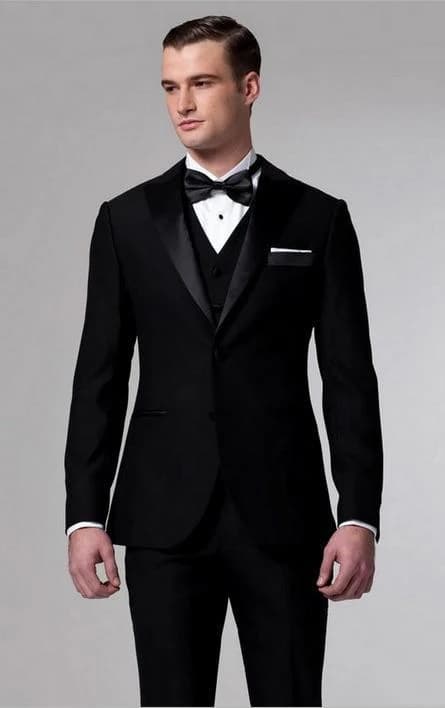
Conversely, if the event is outdoors at midday, do not choose a glossy satin-lapel tuxedo just because you like it. Harsh sun makes the sheen look cheap, and you will be much hotter.
On to dressing for daytime events
For daytime you need a very good suit rather than a tuxedo: charcoal or navy, white shirt, tie or a light bow tie, polished leather shoes, depending on formality. The article what to wear to daytime events covers this separately. The dress code page summarises levels by occasion.
Book a fitting at Mon Amie
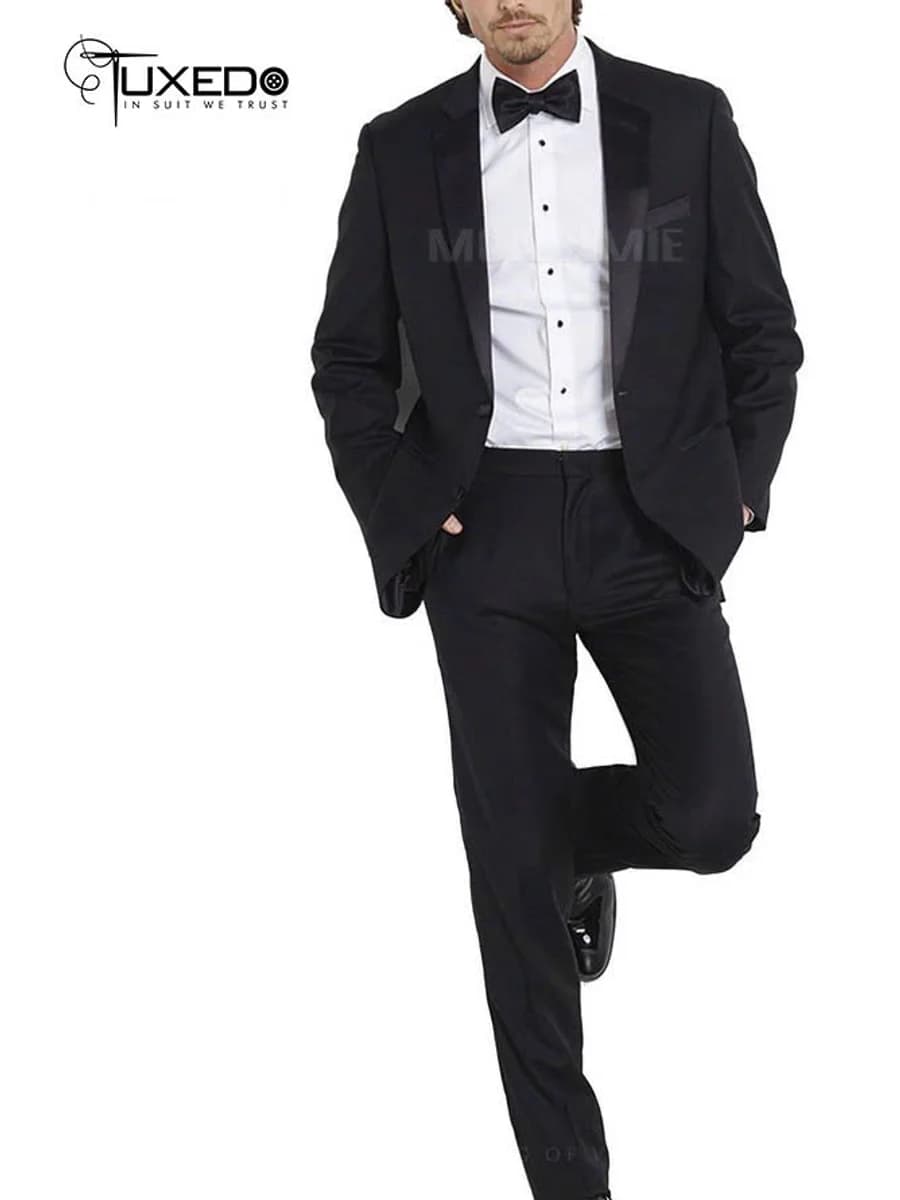
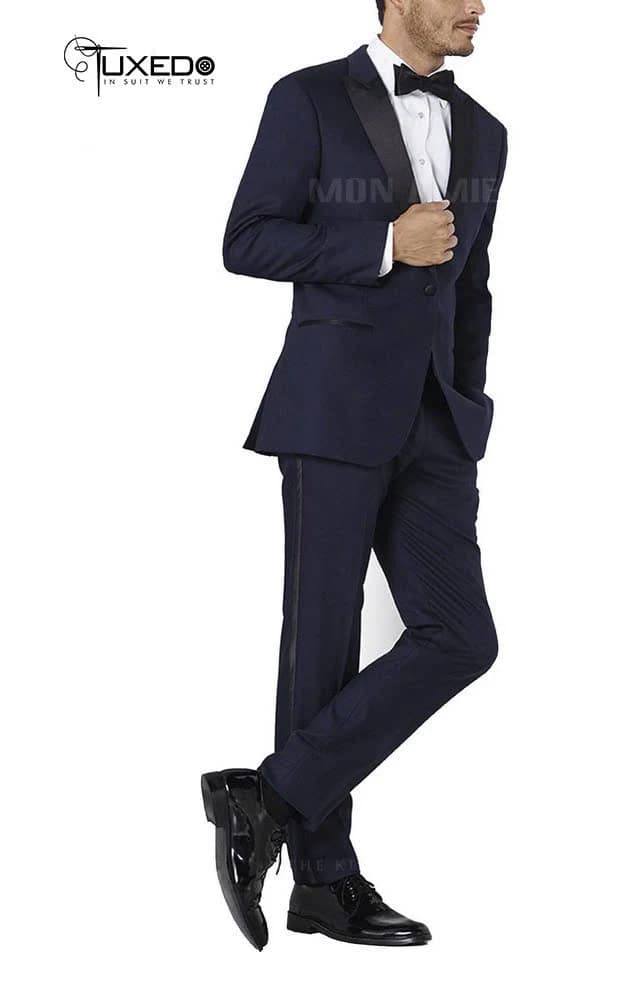
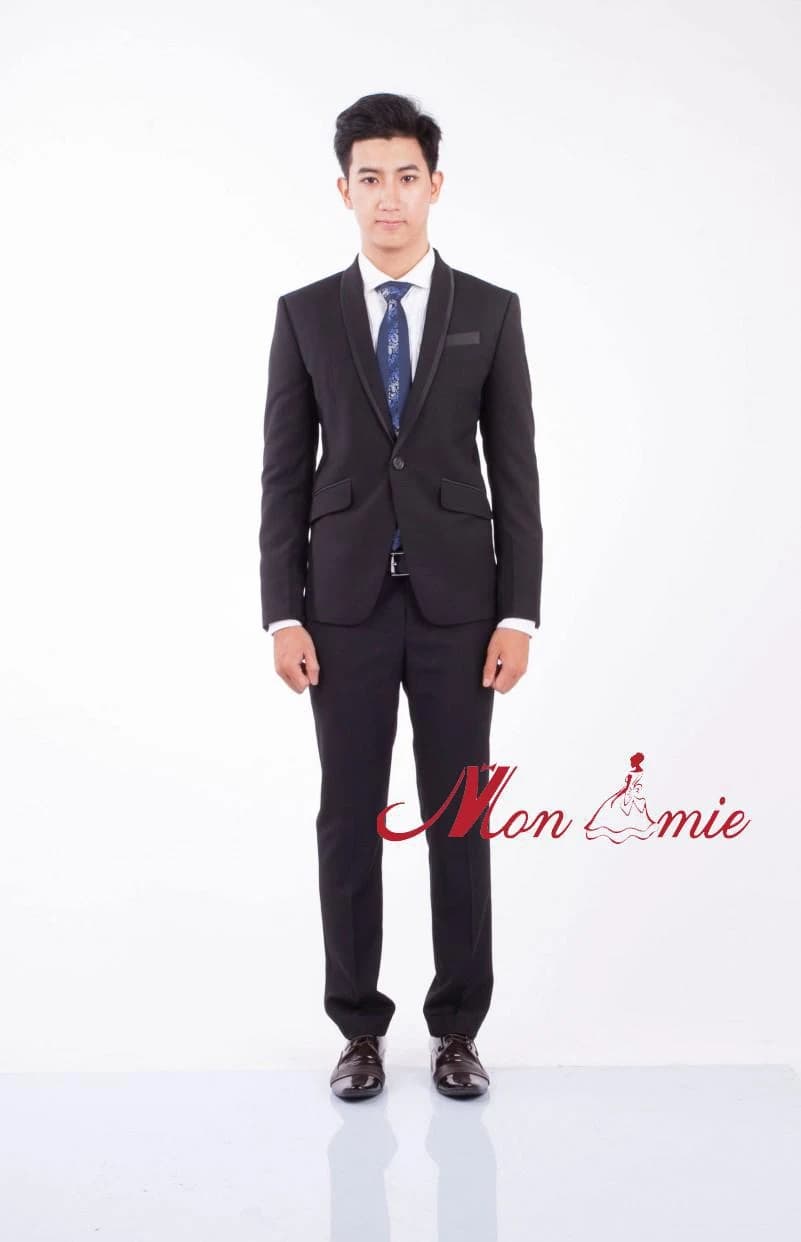
If you have an event that begins by day and continues into the night, a Mon Amie consultant can suggest an approach that suits both moments, such as the Classic Two-Button Black Tuxedo (TUX-048) for an event that runs late. Making time is confirmed at measuring, so book early. Book a fitting at a showroom.
Published 02/11/2026 · 07:00 · Editor: Mon Amie