Collecting your tuxedo: what to check
Try the full outfit with shoes and shirt, inspect seams, buttons and lining, and note every adjustment: a checklist for collecting a made-to-measure tuxedo.
Editor: Mon Amie · Published · about 4 min read
In this article
When you collect your tuxedo, set aside about half an hour to try the whole outfit in exactly what you will wear on the night, then inspect each detail before you sign for it. This is the easiest moment to talk to the tailor: the garment is still in the workroom or showroom, and every correction is within reach. You can still have it adjusted after you take it home, but you will have to make the trip back.
Try the full outfit, with shoes and shirt
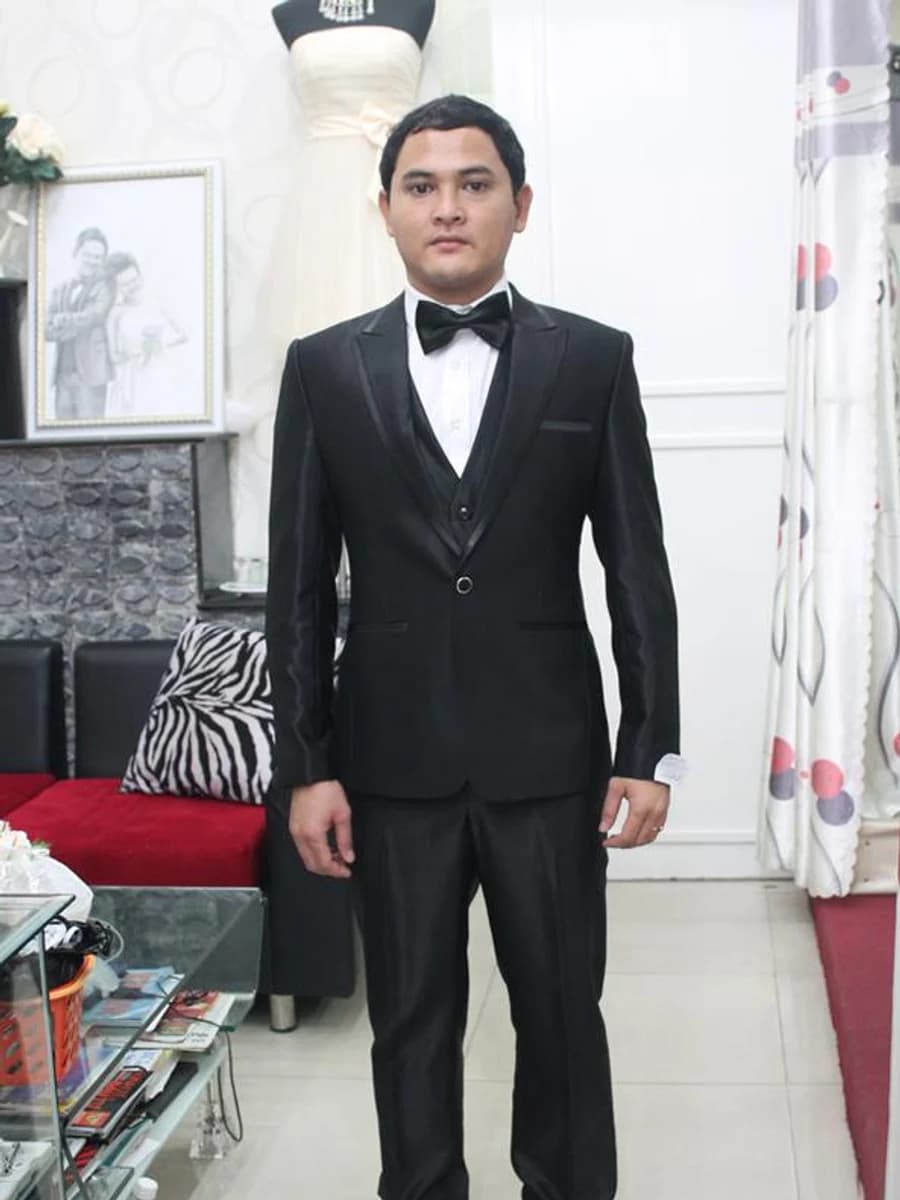
Do not test the jacket and trousers alone. Put on what you will actually wear: the dress shirt (pleated front or piqué, if you have one), cummerbund or waistcoat, bow tie, patent shoes and thin socks. If you use braces, button them on now.
Then stand in front of the mirror and run through a few real movements:
- Raise your arms as if lifting a glass or reaching up. The jacket should not ride up on the shoulders or pull the collar away from your neck.
- Sit down as you would at a banquet table. The waistband should not dig in and the front of the jacket should fall cleanly.
- Bend forward to pick something up. The back should not strain and the waist should not slip below the waistcoat.
- Walk a few steps. The trouser hem should just graze the instep without bunching.
If someone comes with you, ask them to look from behind, where you cannot see. Does the jacket collar sit against the shirt collar, are the shoulders flat, are there horizontal wrinkles across the back?
Inspect seams, buttons and lining
Once the fit looks right, look closer.
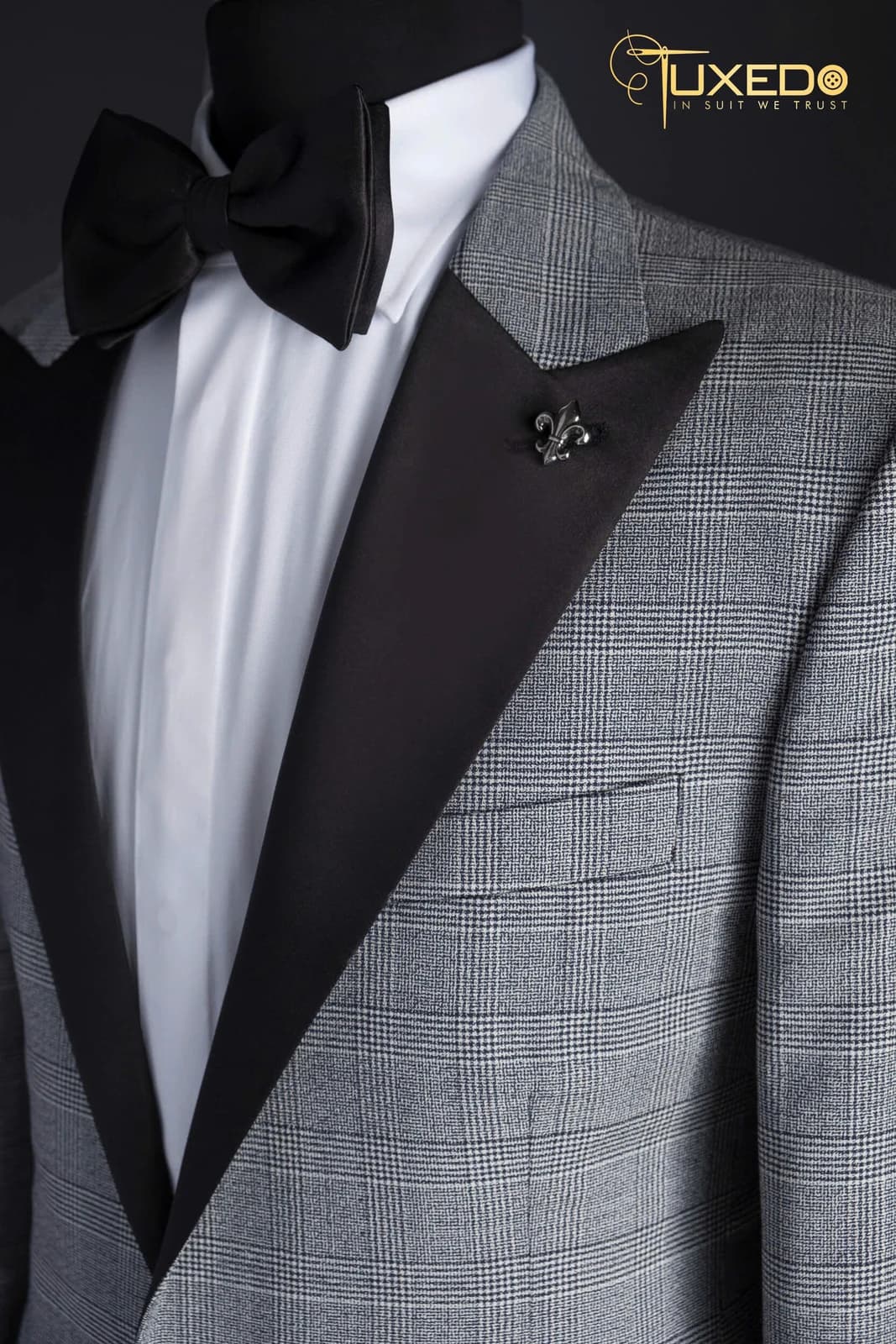
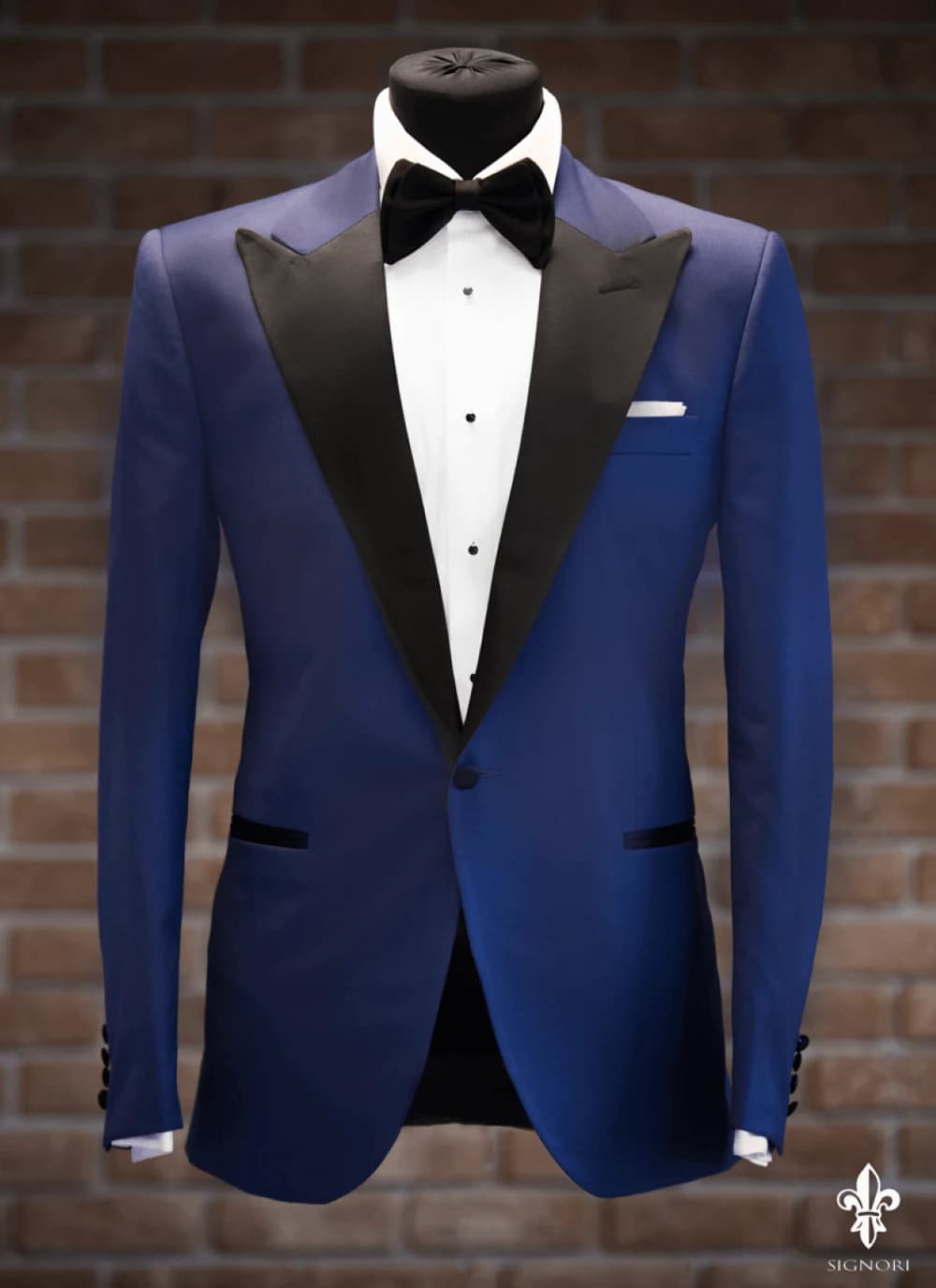
Satin or shawl lapel. The facing should be smooth and even in colour, the edge should not ripple, and there should be no scuffed or shiny marks. The roll of the lapel should hug the chest, not spring open.
Seams. Stitching at the shoulder, armhole, front edge and sleeve hem should be even, not puckered or off line. With striped or braided cloth, the pattern should meet at the seams.
Buttons and buttonholes. Covered or special buttons must be firm, the buttonholes wide enough to fasten smoothly, the thread free of fray. Fasten and unfasten several times to see whether anything catches. The tailor usually keeps a spare button, so ask.
Lining. Open the jacket. The lining should lie flat, without bunching, and should not hang below the outer cloth at the hem or cuff. The inside pocket should be sturdy and wide enough for a phone and a slim wallet.
Pockets. Jetted or flap pockets must sit straight with the opening level. Slide a hand in to see whether the jacket distorts.
Trousers. The satin braid should run straight from waistband to hem. The zip should move smoothly and the side adjusters, if fitted, slide freely. The crease should be crisp and centred on the leg.
To revisit the earlier steps, see the final tuxedo fitting.
Note what needs adjusting
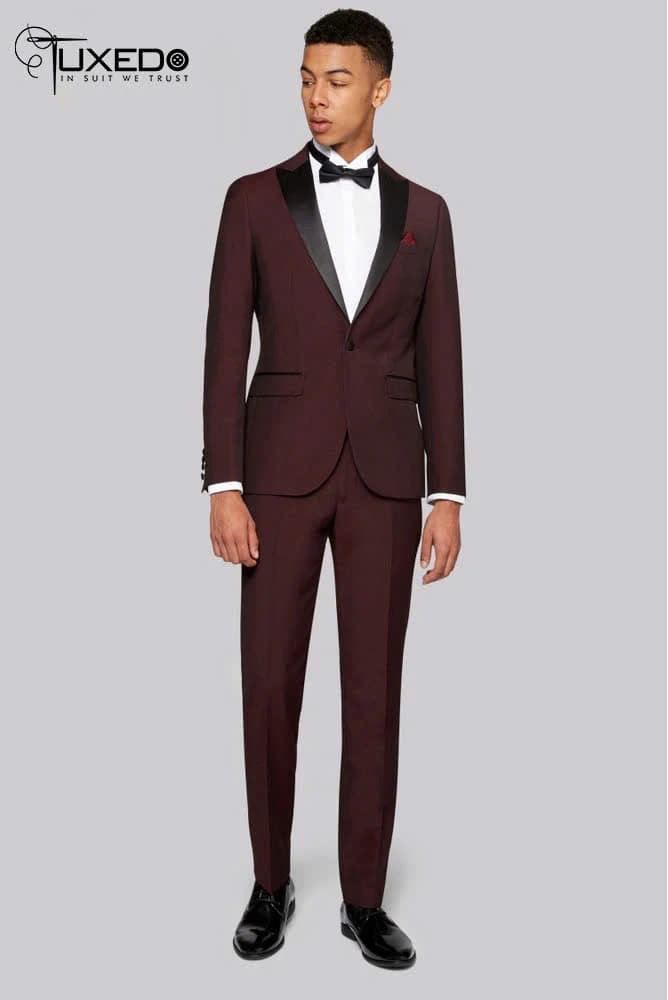
While you try it on, do not rely on memory. Ask the tailor or consultant to write down each point, ideally on the order slip or on your own phone. A good note has three parts: where (right sleeve, left shoulder), the symptom (longer than the left, tight when I lift) and the correction you want.
Common points include sleeves a few millimetres apart, a waistband that feels loose after a meal, a hem that needs lifting, or a collar that gapes when you bend. Since most men stand with one shoulder slightly lower, a few small tweaks are normal.
Beyond alterations, ask the tailor how to look after the suit at first: what kind of garment bag, how to handle dry cleaning. The piece on storing your tuxedo between wears covers more of this.
Alterations after you take it home
Even after careful checking, some details only show after real wear, such as sitting for a long time, dancing or hugging relatives. Mon Amie supports alterations after you collect your suit so that it keeps fitting you. Bring the garment back to the showroom, with shoes and shirt if the adjustment involves them, and the tailor will look at it in person.
Come well before the event rather than at the last minute. Taking up a sleeve hem is quick, but resetting a shoulder seam needs time for the tailor to do it properly.
Booking your collection at Mon Amie
You can book ahead so your consultant sets aside time for the collection, instead of arriving unannounced at a busy hour. Bring your shoes, shirt and accessories and the tailor will go through the checklist above with you. Book at the showroom or find more on the showroom page.
Published 30/10/2026 · Editor: Mon Amie