The trouser stripe: material and width
A tuxedo trouser stripe should match the lapel facing. Narrow or wide, satin or grosgrain, how it is sewn, and why a tuxedo has one stripe and white tie two.
Editor: Mon Amie · Published · about 3 min read
In this article
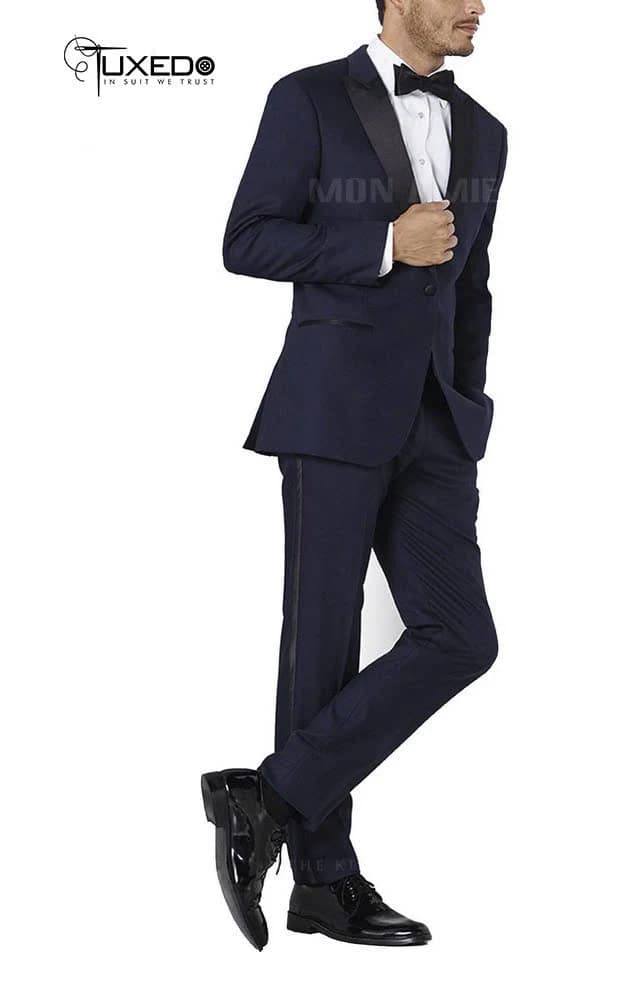
The braid running down each trouser leg is the signature of a correct tuxedo. The core rule is simple: the stripe should match the lapel facing in material, a single braid, with a width in proportion to your build and the trouser. What remains is a choice between glossy satin and ribbed matte grosgrain, and how the tailor sews it over the seam.
Matching the lapel facing
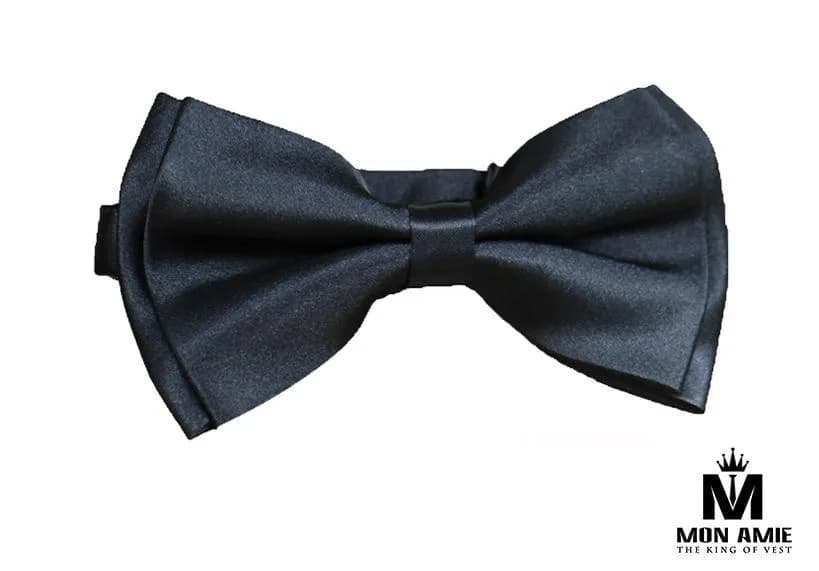
The traditional rule is that lapel facing, bow tie, covered buttons and trouser braid all use the same facing material, usually silk satin or grosgrain. The reason is continuity: that lustrous band carries on from lapel to hem, so the whole suit reads as one piece.
If the lapel is satin and the stripe grosgrain (or the reverse), the two surfaces catch light differently and the eye notices the mismatch at once. Colour should follow too: a black lapel takes a black stripe. For the history and rules of this detail, read why tuxedo trousers have a satin stripe.
Narrow or wide
Braid width usually falls within a few centimetres, roughly 1.5 to 2.5 cm depending on the school and the maker. Two considerations:
- Narrow: slender, refined, lengthens the leg. Suits tall, lean men or a minimal modern taste.
- Wide: strong, classic formalwear character. Suits a fuller frame and a wider trouser leg.
The proportion between braid and trouser is what counts. A very wide braid on a slim leg looks heavy; a thin braid on a full leg disappears. It should also relate to the lapel: a broad lapel pairs with a medium to wide braid, a slim lapel with a narrow one. See dinner trousers versus dress trousers for other differences in the trouser.
A traditional detail worth knowing: tuxedo trousers carry one braid on each side, while trousers for a tailcoat (white tie) carry two parallel braids on each side. So if you see two, that usually belongs to a more formal dress code.
Satin or grosgrain
| Material | Surface | Feel |
|---|---|---|
| Satin | Glossy, smooth, catches light strongly | Glamorous, suits a lavish evening |
| Grosgrain | Fine ribbed texture, more matte | Understated, discreet, masculine |
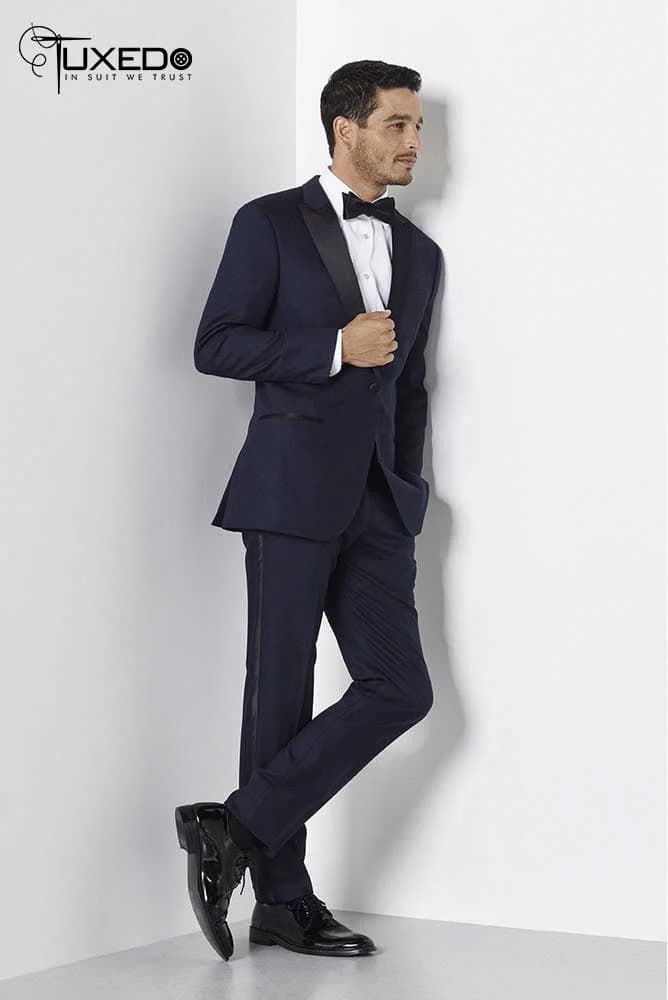
Satin sparkles under lights and suits events with strong lighting. Grosgrain, with its fine cross-ribs, absorbs some light and looks quieter and less showy. Both are traditionally correct; what matters is matching the facing. The choice at the lapel is discussed in satin or grosgrain lapels, and the same logic applies to the trouser leg.
How the braid is sewn
This is where careful work separates from hurried work. The braid is generally sewn over the side seam of the trouser, concealing the join, from waistband to hem. The tailor must keep it straight, with even edges and no rippling. Two points to watch:
- The ends: the top should be tucked neatly under the waistband and the bottom finished cleanly at the hem.
- Tension: sewn too tight, the braid shrinks after wear and puckers the leg; too loose, it bubbles. An experienced tailor sets it relaxed, but not slack.
Care matters as well, because satin scuffs easily and can take a pressing mark if ironed directly. Steam it and place a thin cloth between iron and braid.
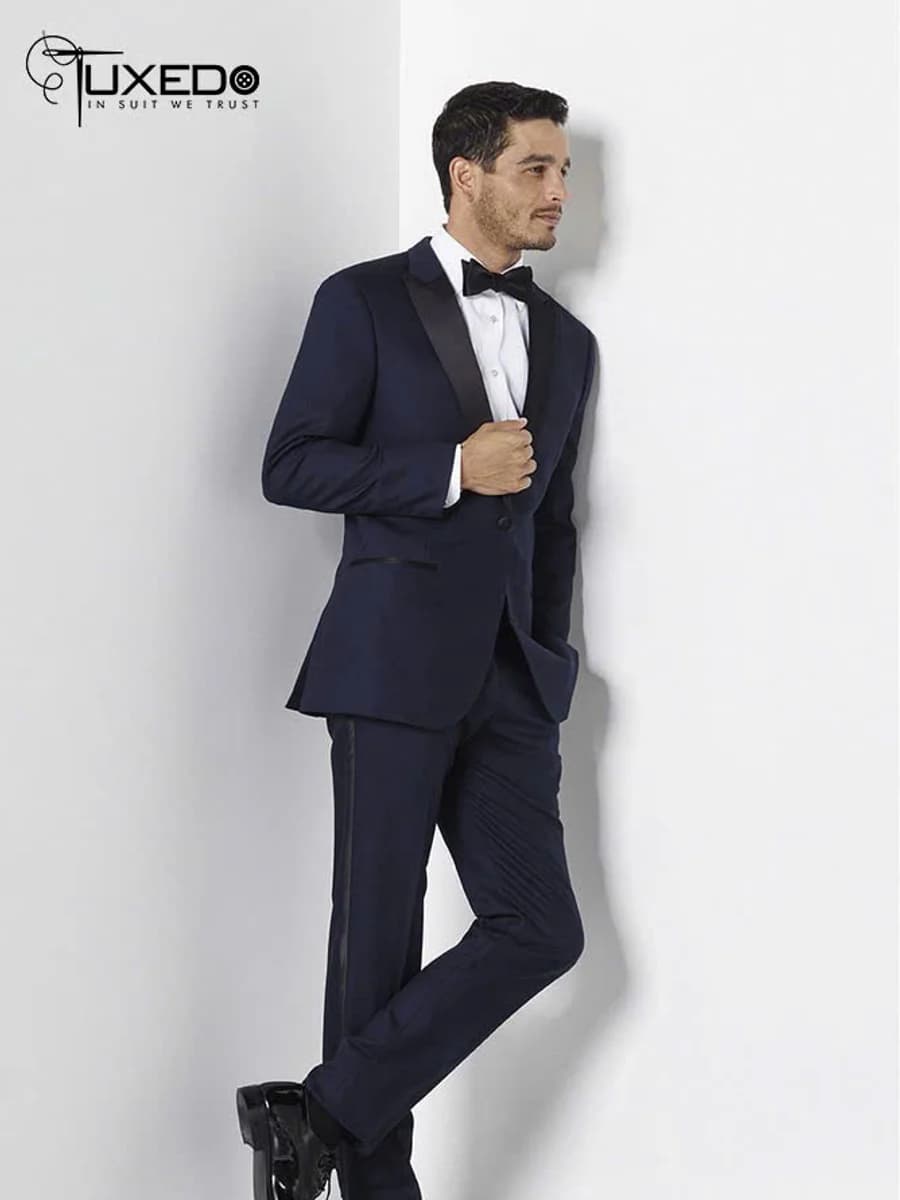
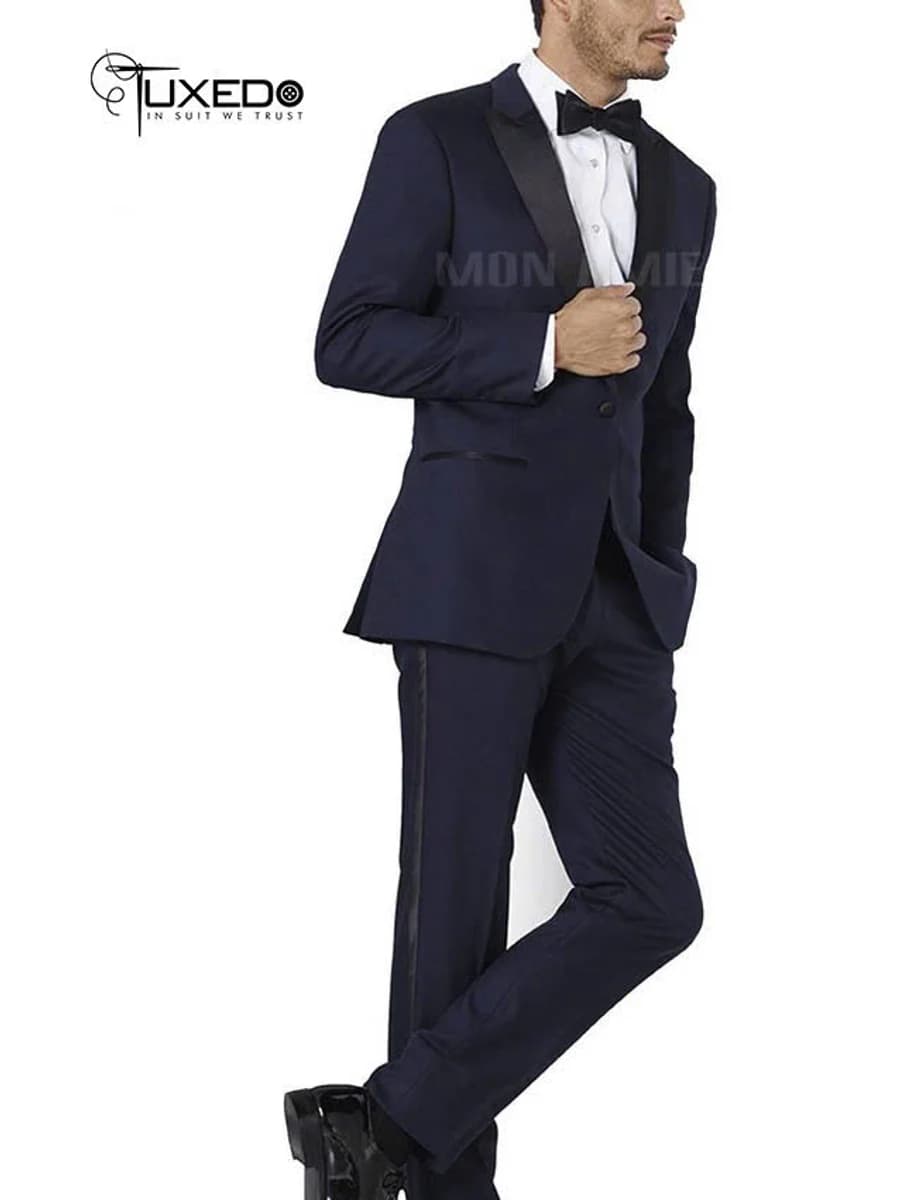
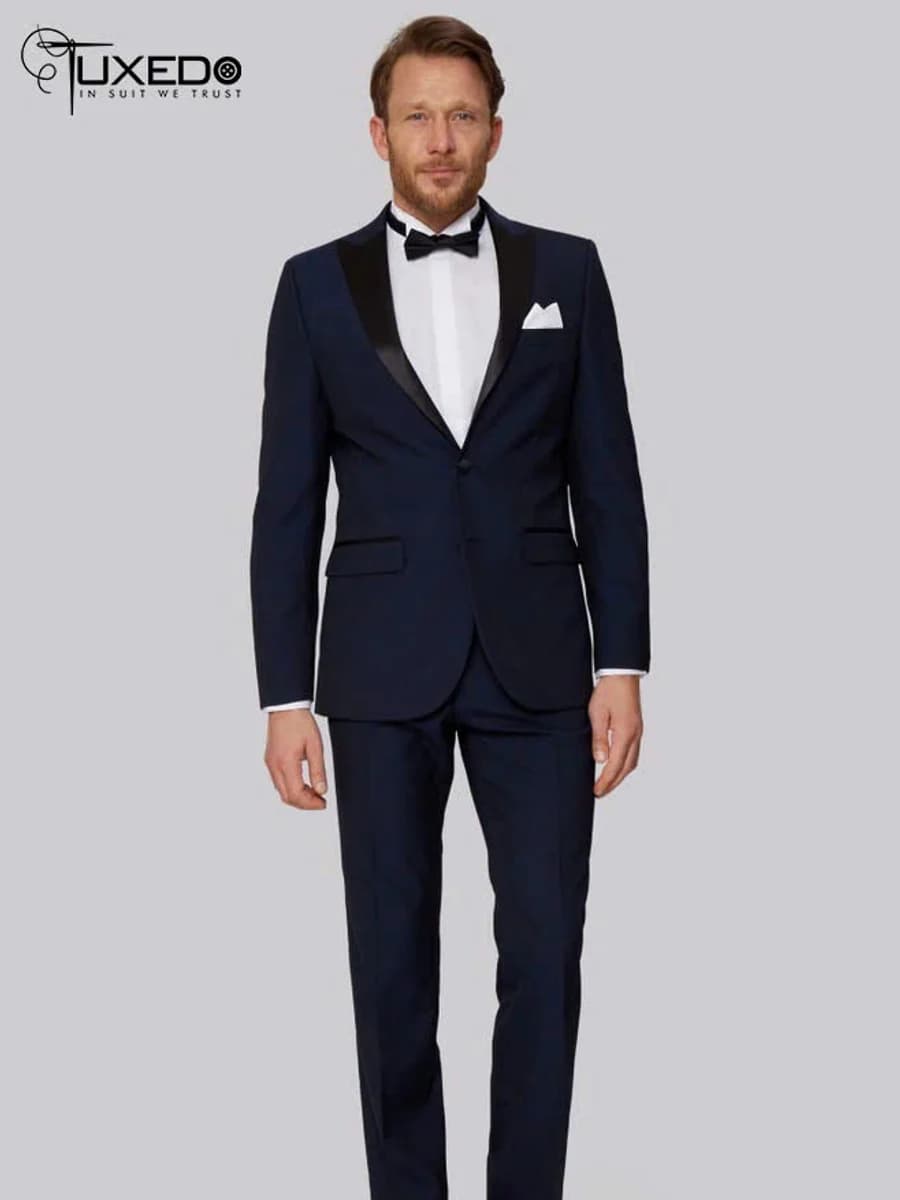
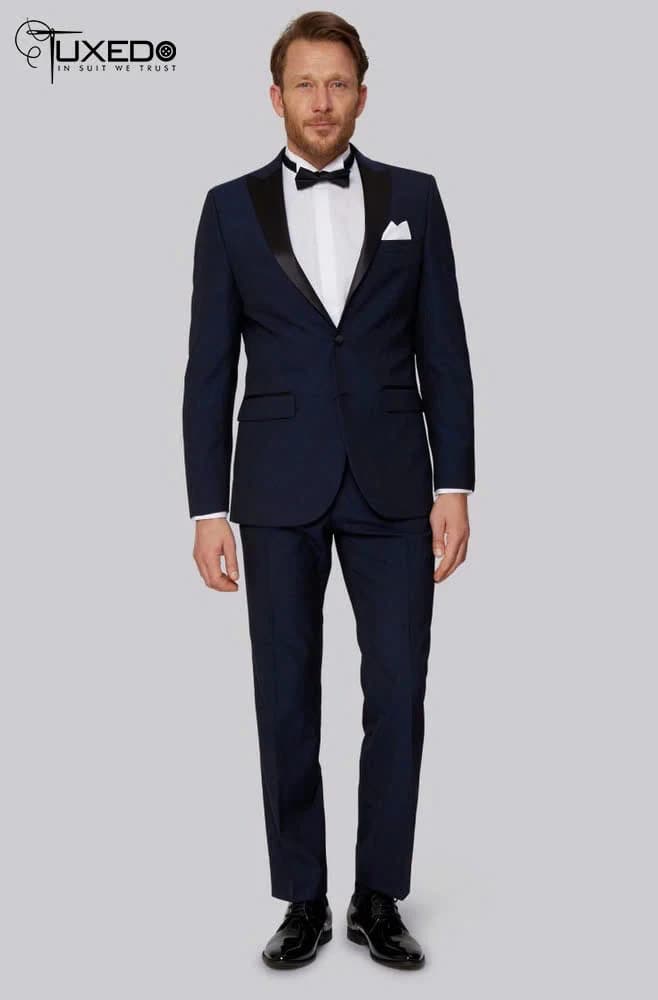
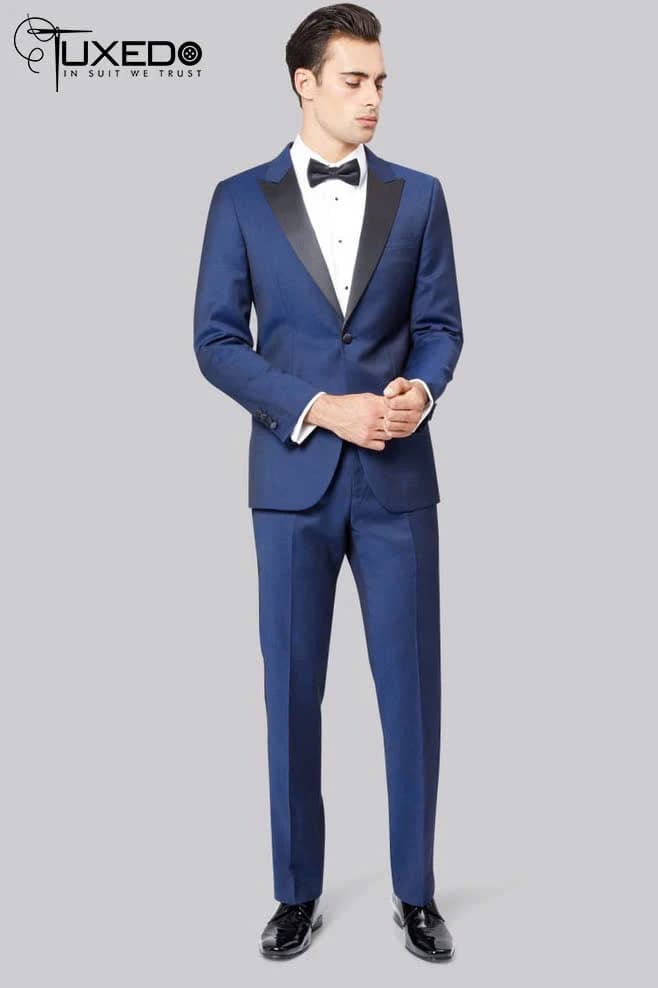
Two models to see the braid in practice: TUX-017 (navy, satin trim on the trouser leg) and TUX-034 (navy, peak lapel, satin-trimmed trousers).
Ask the tailor at Mon Amie
Choosing width and material is far easier when you hold the swatch against the lapel facing. The consultant will set samples beside your trouser shape to find a balanced proportion. You can book a showroom visit to see braid samples and try them on.
Published 13/11/2026 · 20:30 · Editor: Mon Amie