Bespoke vs made-to-measure: what it means for a tuxedo
Bespoke means a pattern drafted from scratch for one man; made-to-measure adjusts an existing block. Compare fit, fittings and cost, and how to choose.
Editor: Mon Amie · Published · about 4 min read
In this article
The two words are often used as if they were the same, but they describe different ways of making a jacket. Bespoke means the tailor drafts a brand-new pattern from your body. Made-to-measure takes an existing block pattern and adjusts it to your measurements. Both differ from off-the-peg clothing, because both begin with measuring you in person.
Bespoke: a pattern drafted for you, fitted in stages
The word comes from English tailoring: a length of cloth "spoken for" by one particular customer. The cutter measures you, notes your posture, the slope of your shoulders and which one sits lower, and drafts a pattern on paper from nothing. That pattern belongs to you and is kept for your later suits.
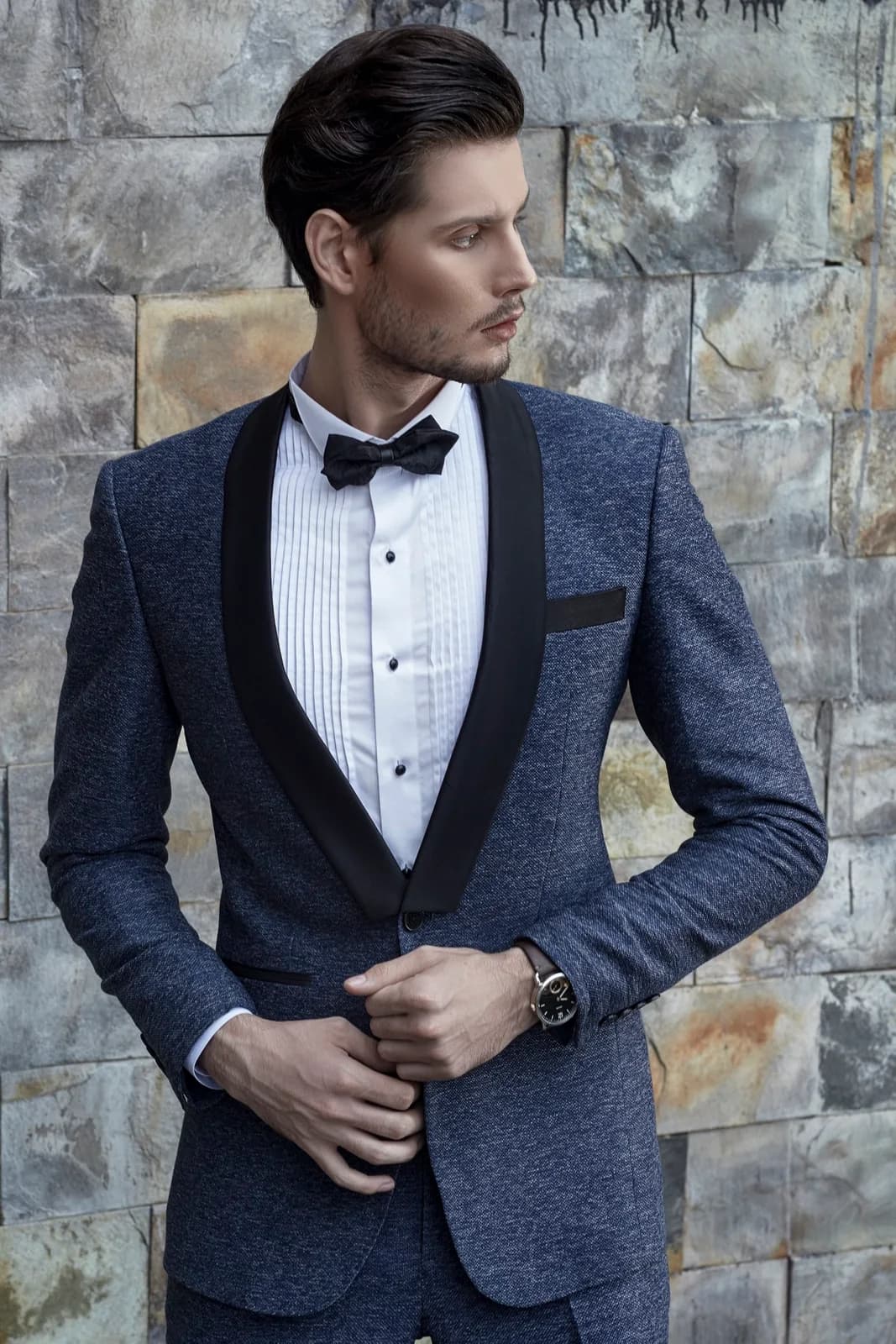
The jacket usually goes through several fitting stages: a basted version with the construction still open, then a version close to finished. After each, the tailor unpicks, corrects the pattern and recuts if needed. Much of the canvas work, lapel rolling and sleeve setting is done by hand. On a tuxedo that matters, since a satin or shawl lapel has to curve evenly and any impatience shows.
Made-to-measure: adjusting a block
Made-to-measure starts from the workshop's own block patterns in set sizes. The tailor measures you, picks the nearest block and adjusts it: sleeve length, chest width, waist, back curve, shoulder slope. More of the work can be done by machine, and fewer fittings are needed.
Its strength is consistency. The block has been worn by many men, so surprises are rare. Its limit is the unusual figure, such as a pronounced uneven shoulder, a stooped back, or a belly paired with a flat chest, which is hard to force into a pattern that already exists.
The practical differences
| Point | Bespoke | Made-to-measure |
|---|---|---|
| Pattern | Drafted new from your measurements | Adjusted from an existing block |
| Fit | Can handle unusual figures | Excellent on near-standard figures |
| Fittings | More, at different stages | Fewer |
| Handwork | More hand-finishing | Mix of machine and hand |
| Lead time | Longer, depends on fittings | Shorter, depends on style and fittings |
| Cost | Higher | More accessible |
On cost and timing, ask the consultant at your measuring session, because each suit depends on cloth and details. What is certain is that bespoke asks more hours of the tailor, so both price and fitting schedule go up with it.
Why it matters for a tuxedo
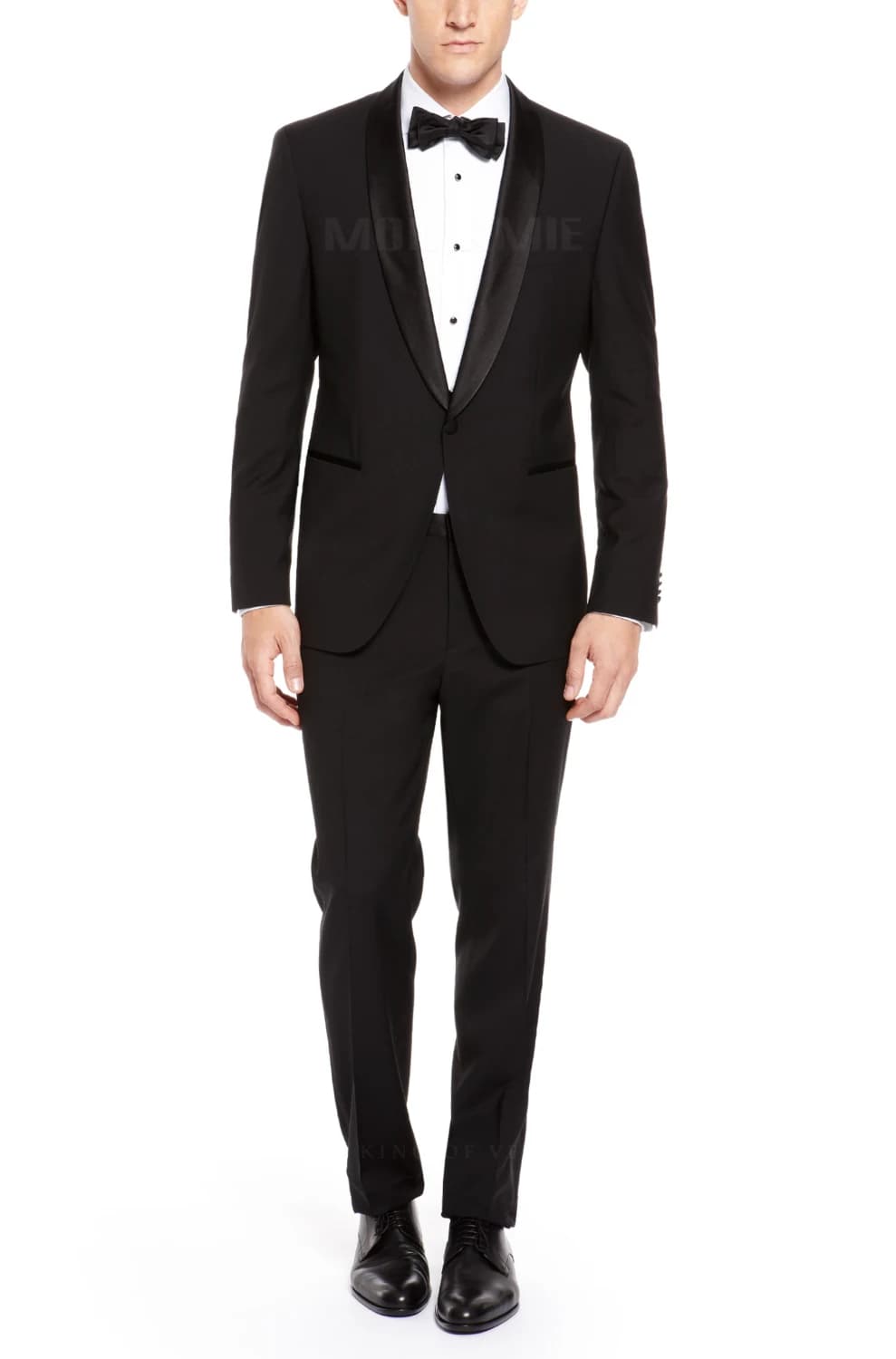
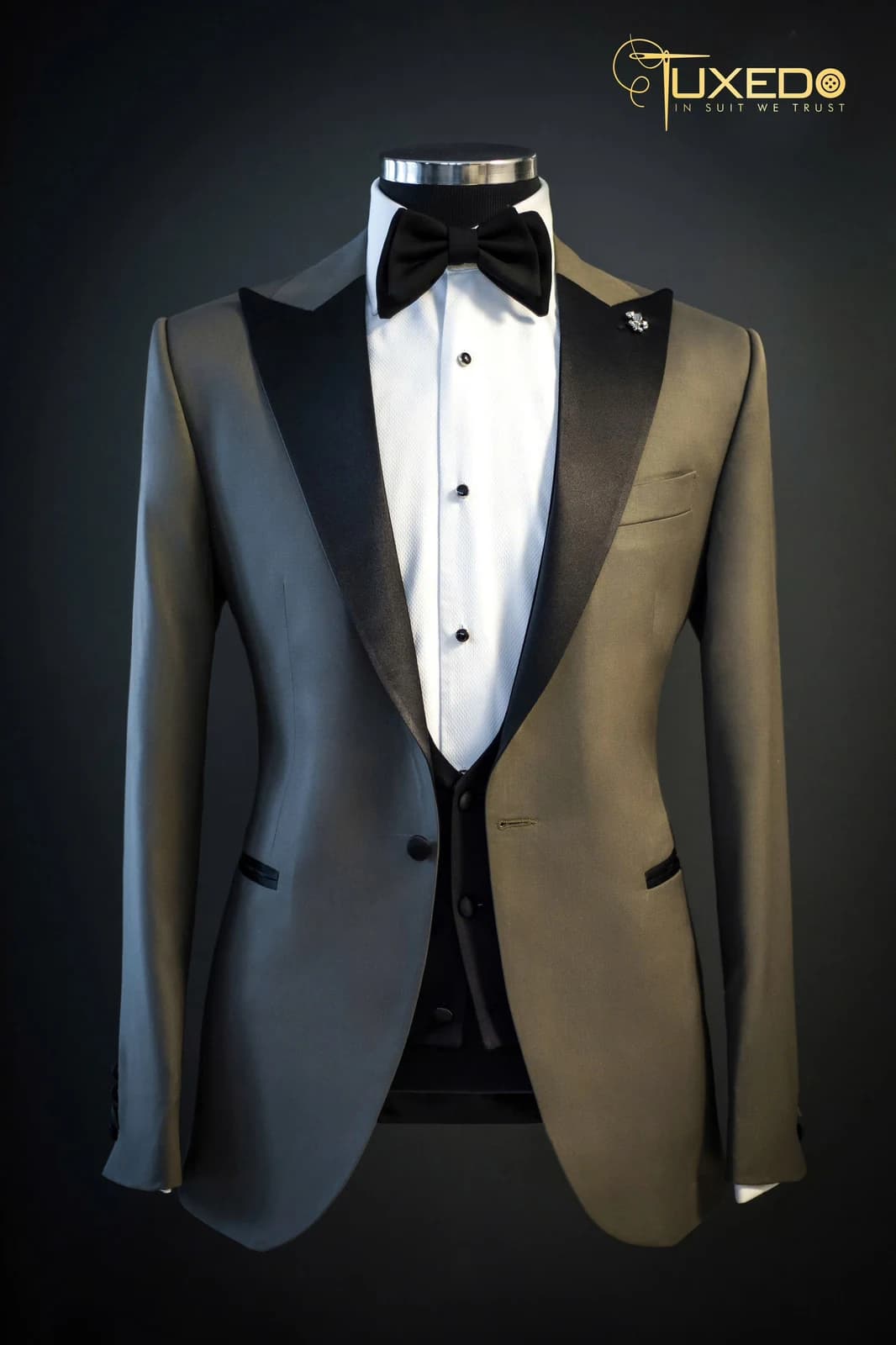
A tuxedo leaves little room to hide faults. Satin lapels catch the light, the braid on the trousers runs along a straight seam, and plain black cloth has no pattern to distract the eye. A slightly off shoulder or a ripple at the collar will show in every evening photograph.
For a near-standard figure, a carefully adjusted made-to-measure suit gives a very clean result. For a man with an unusual build, or one who wants a suit to last for many years and be altered as his body changes, bespoke has a clear edge. If you want something individual, such as a shawl lapel curved to your neck, a custom waistcoat cut or a particular lining, drafting a pattern gives more room to do it.
Choosing for your situation
Ask yourself a few questions:
- Will you wear this once, or across many seasons of events?
- Does your build fit a standard size after alteration?
- Do you have time for several fittings, or do you need a tighter schedule?
- What budget have you set for it?
If your build is close to standard and the occasion is clear, such as a wedding, made-to-measure is usually a sound balance. If you regularly have shoulder trouble with ready-made jackets, or want a dinner suit that is truly yours for the long term, consider a drafted pattern. If you only need one evening, read Ready-to-wear tuxedos: when they are enough or look at tuxedo hire.
A note on the word itself
Many shops call every kind of measured garment bespoke because the word sounds distinguished. You can simply ask: is the pattern drawn for me, how many fitting stages will I have, and which parts are done by hand? The answers tell you what you are paying for. The measuring, fitting and finishing at Mon Amie is described in our tuxedo tailoring process.
Ask the tailor before you decide
Every body is different, so the right method differs too. At the showroom, tell us the occasion and how often you expect to wear the suit. The consultant will measure you and explain which route suits you, with a price range from our Essential, Signature or Heritage lines. You can book through the appointment page or read about made-to-measure tuxedos first.
Published 01/11/2026 · 08:30 · Editor: Mon Amie