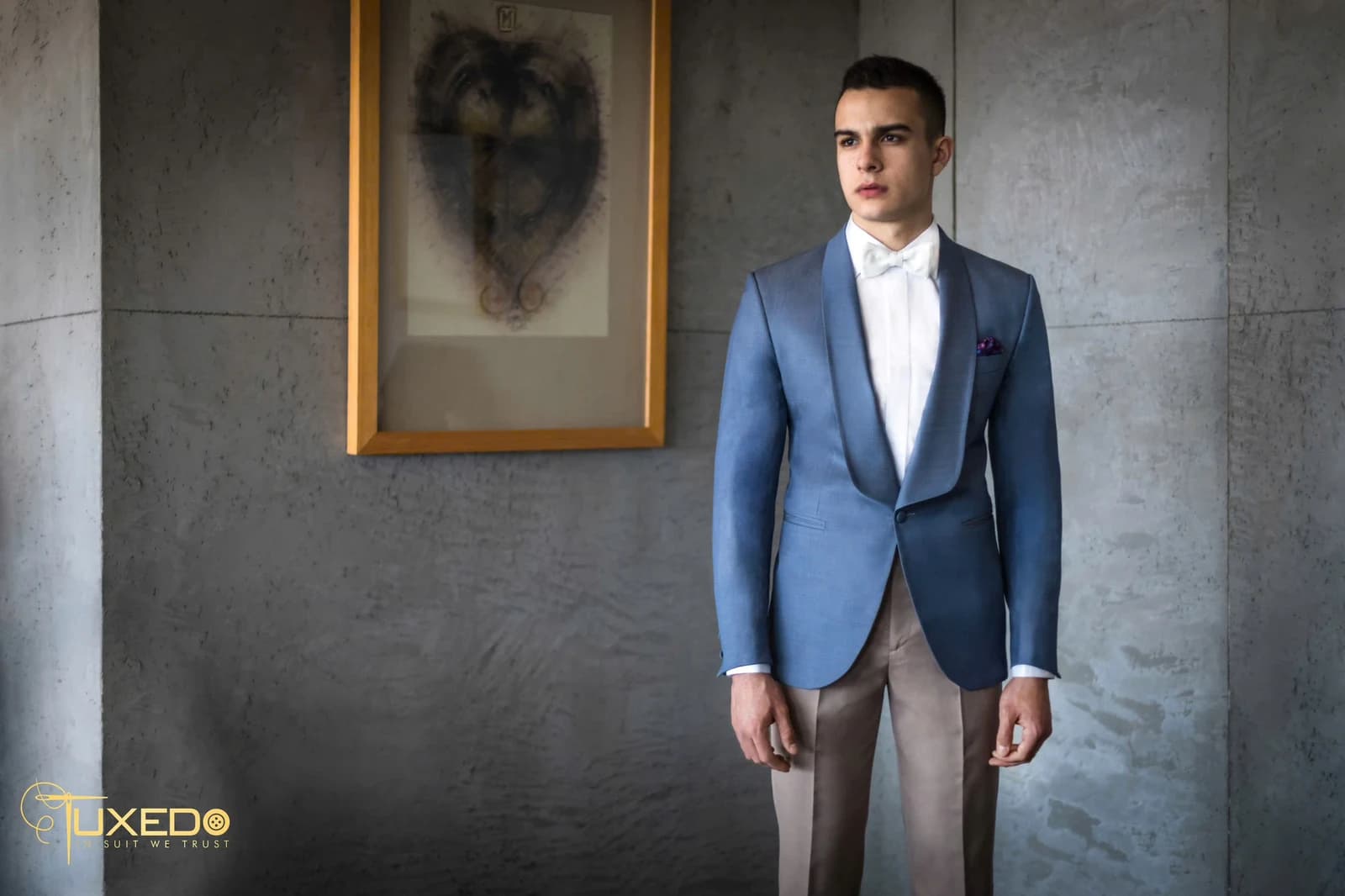
Why Orchestra Musicians Wear Tuxedos and Tails on Stage
Conductors in tails, players in black tie or all black: the concert dress convention, why uniformity helps, daytime variations and advice for solo performers.
Editor: Mon Amie · Published · about 3 min read
In this article
Orchestra musicians wear tuxedos or all black for a practical reason: the audience has come to listen, and the more uniform and unremarkable the clothing, the easier it is to hear. The convention is called concert dress, and it has clear tiers for the conductor, the orchestra and the soloist.
The concert dress convention for evening performances
At formal evening concerts the usual pattern is as follows.
- The conductor wears a tailcoat with a wing-collar shirt, white bow tie and white waistcoat. This is white tie.
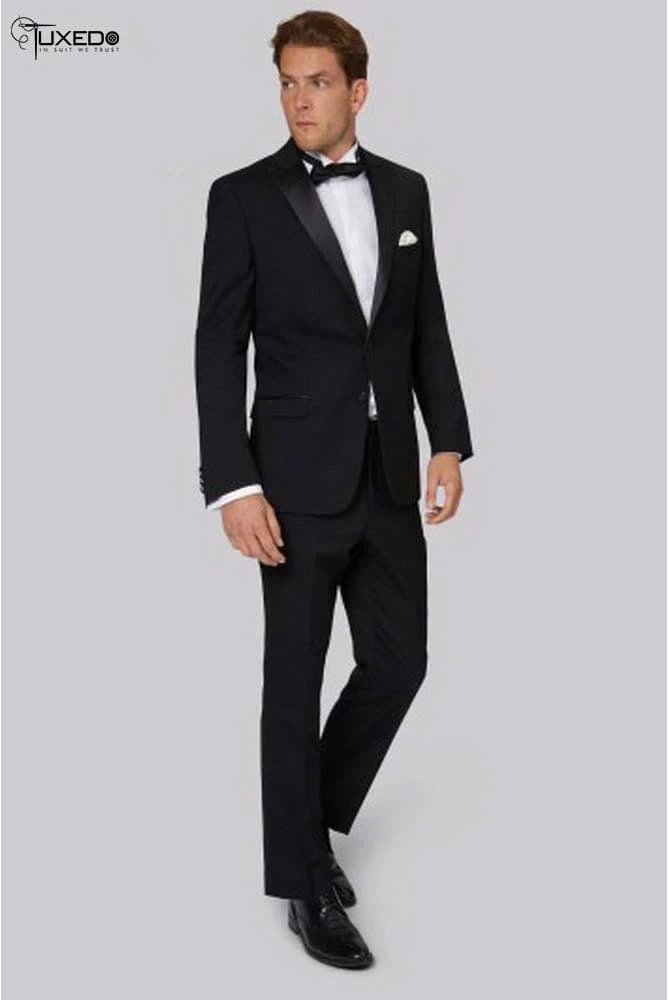
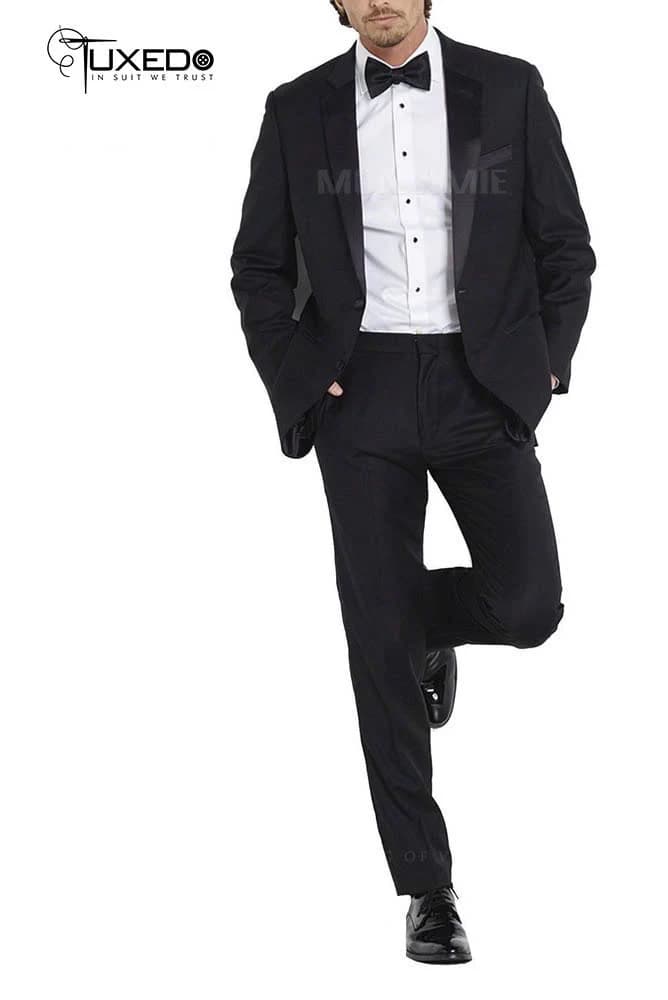
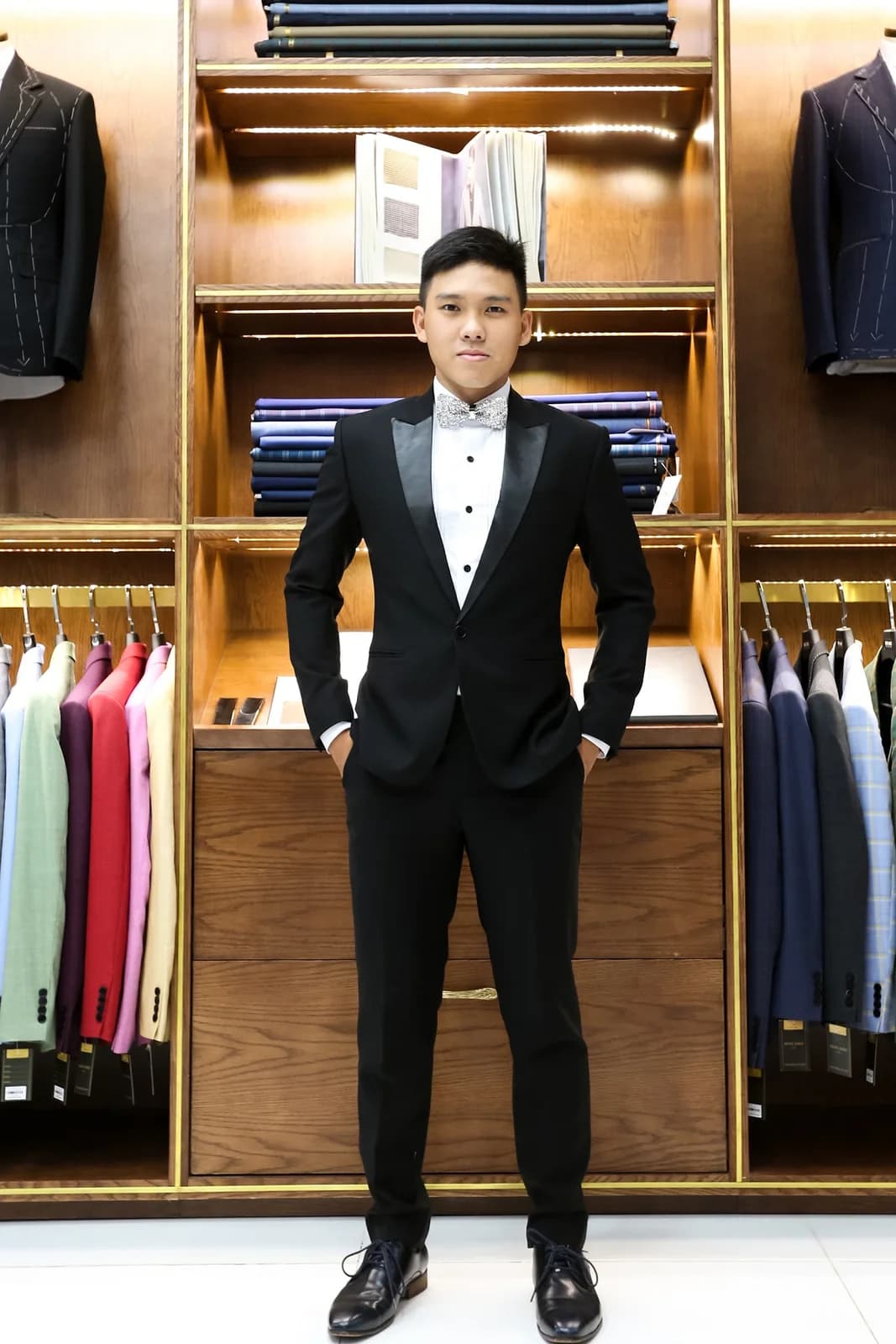
- Orchestra members wear black tie (a tuxedo with a black bow tie) or all black: a black jacket, with a black or white shirt according to the orchestra's rules.
- Women in the orchestra commonly wear a long black dress, or a black top with long black trousers or skirt.
Not every orchestra follows this exactly. Many halls and ensembles have their own rules, and some allow the conductor black tie or a black mandarin-collar jacket. If you are invited to perform, do not guess. Ask the organiser or the section leader.
Why uniformity matters
Three reasons are usually given.
It keeps the audience from being distracted. One person in a light jacket among a row of black draws the eye of the entire hall. Dark uniform clothing removes the individual and lets the orchestra appear as one large instrument.
It makes movement easier to read. A string section bows in the same direction at the same moment. A plain black background lets the audience see that rhythm cleanly, while bright colours or large patterns would blur it.
It suits the occasion. A classical concert is partly a ritual. Formal dress signals that this is an evening for attention.
The conductor's tailcoat has a tailoring logic of its own. The front is cut short so the arms move freely, and the tails fall behind without getting in the way as he stands and sweeps his arms. Seated players tend to prefer the tuxedo, since a jacket ending at the hip does not crumple on the chair the way a longer coat can.
Variations for daytime concerts
A matinee or a daytime concert does not call for evening dress. The usual choice is a black or charcoal suit with a white shirt and a dark tie, or all black with a mandarin collar. Some conductors keep a long-coat silhouette but drop the white bow tie.
The aim is still coordination. If the group wears black suits, nobody should drift to navy or brown, however good the colour looks on them.
Advice for solo performers
Soloists have more freedom, but the stage and the movements of playing still set requirements.
- Shoulders and armholes. Pianists, violinists and cellists reach and rotate. The shoulder must be well set and the armhole cut high enough to lift the arm without dragging the whole jacket upward. This is where bespoke clearly beats off-the-peg.
- Cloth. Choose a breathable wool with some spring and without too much sheen. Stage lighting makes shiny cloth glare, while very thin cloth shows creases after a long sit.
- Sleeve length. With the arm raised to play, the sleeve must not slip past the wrist nor stop halfway up the forearm. A tailor will often measure you in playing posture.
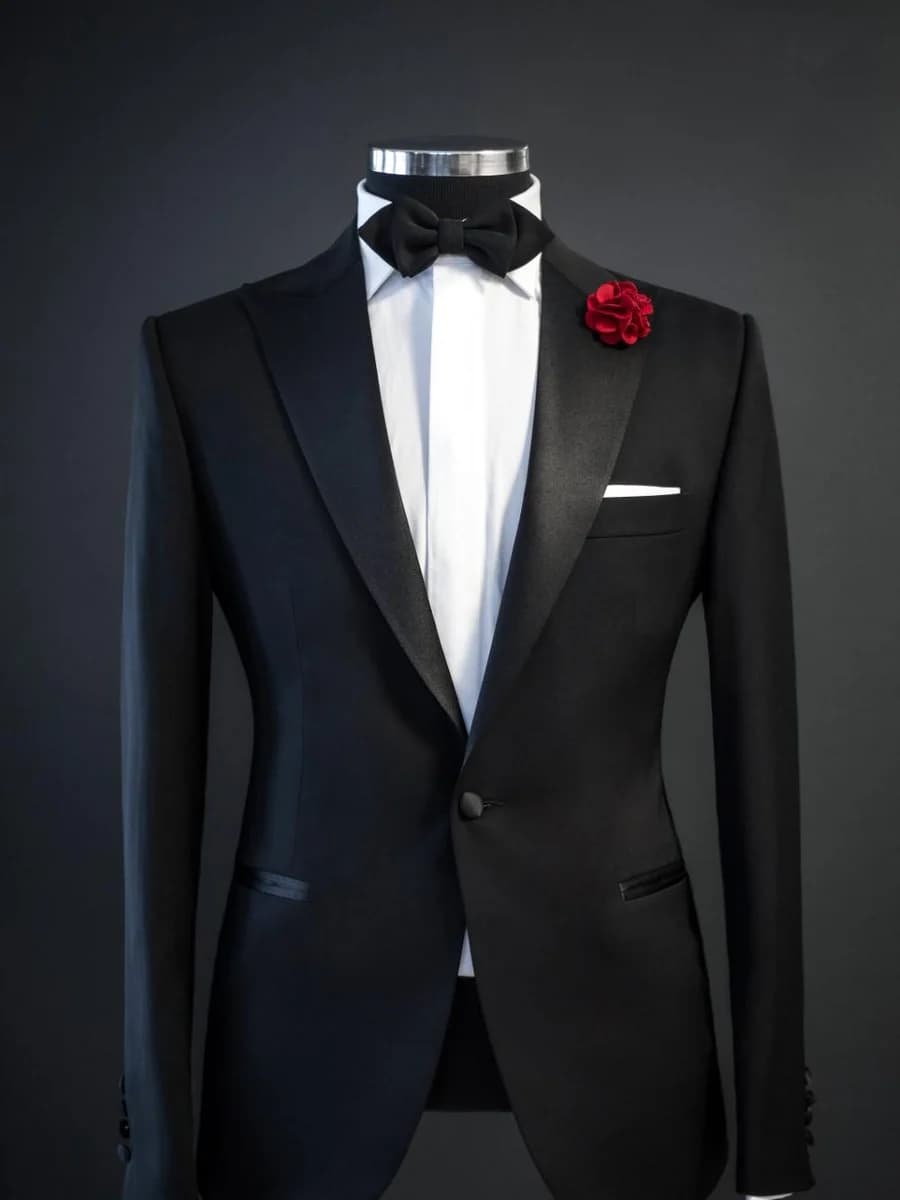
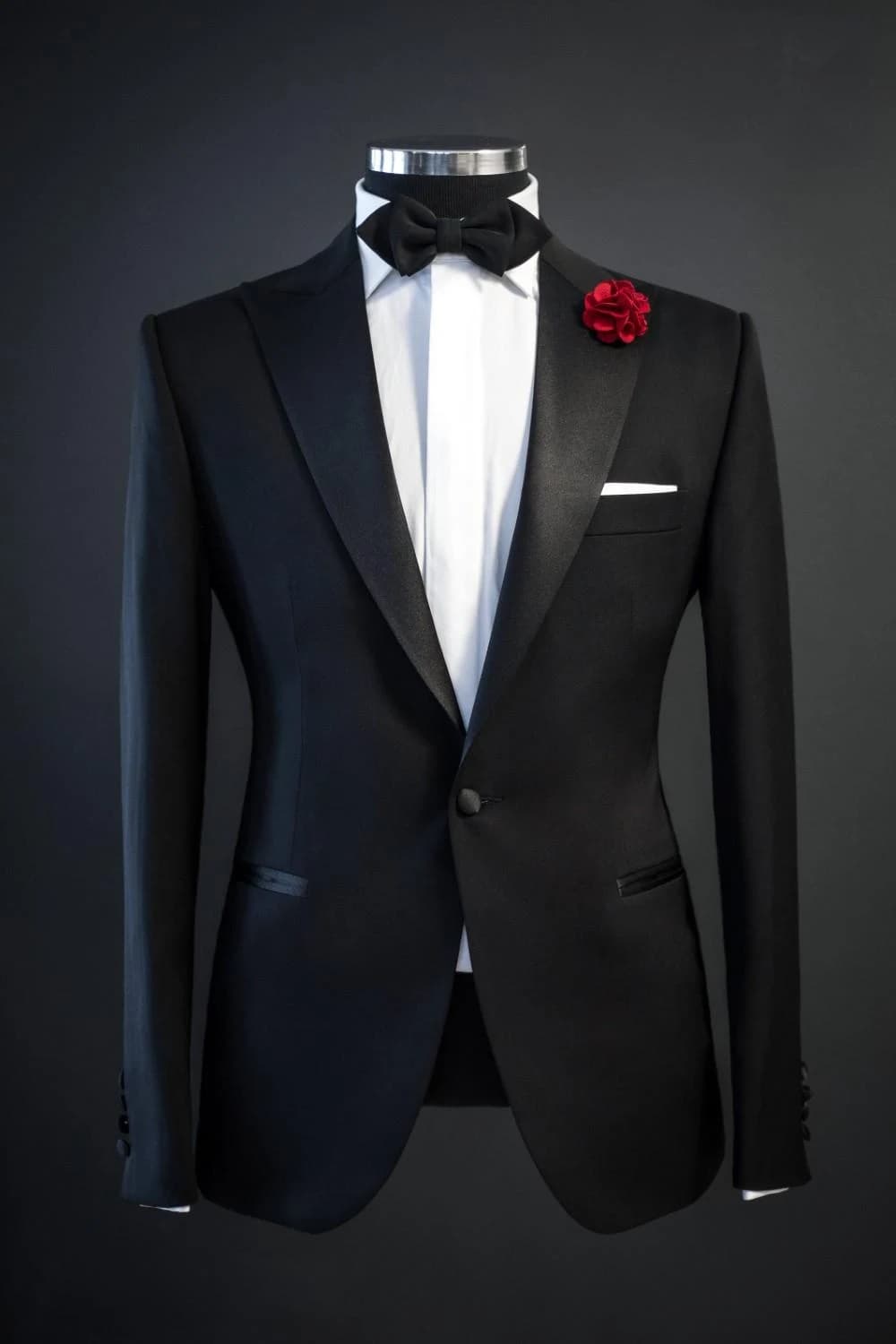
- Lapel and colour. A black tuxedo with satin lapels or a midnight blue one both work. Under stage lights, midnight blue can read blacker than black itself.
- Tails for a formal recital. Some pianists choose tails with a wing collar. If so, read our guide to the tuxedo and the white-tie tailcoat.
A tailor's suggestion
Musicians usually want one suit that works for the performance and for the reception afterwards. You may like our guide to tuxedos for the stage and the made-to-measure tuxedo page. TUX-060, in solid black with satin peak lapels, is one example of a classic cut that suits a stage.
When you order, tell us which instrument you play so the tailor can measure your posture. Book a fitting at Mon Amie and let the consultant know your performance date in advance so fittings can be scheduled sensibly.
Published 07/11/2026 · 07:00 · Editor: Mon Amie