Care
Steaming and pressing without shining the satin
Steam first, press only through a cloth, never put an iron straight onto satin and use the right heat for wool: how to smooth a tuxedo without leaving shine.
Mon Amie · 15/10/2026
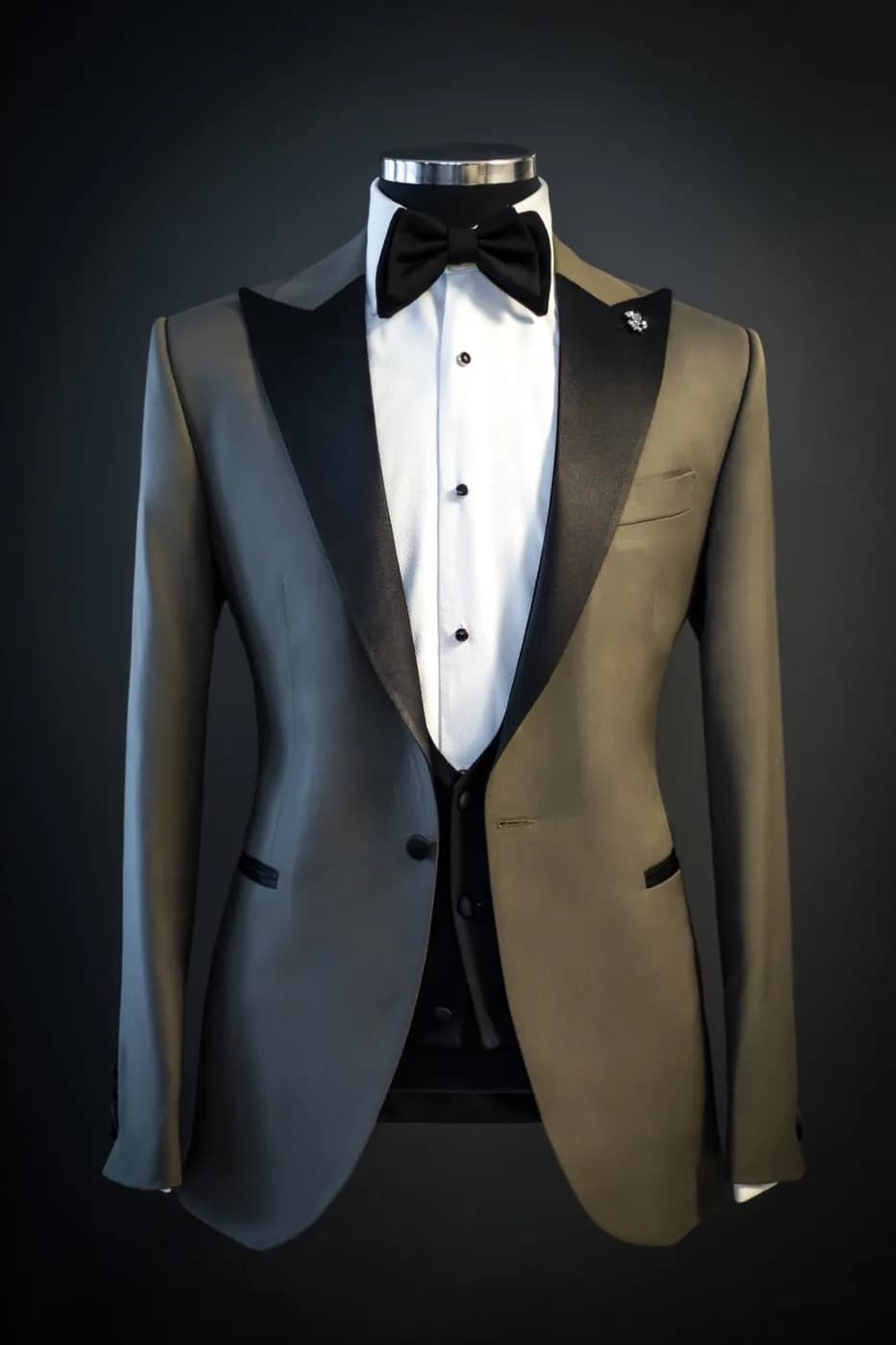
To smooth a tuxedo without adding shine to the satin, steam first, use an iron only when you must, always place a thin cloth between iron and cloth, and never rest the iron directly on satin. The wool needs moderate heat, while the satin should usually get steam from a distance and little else. Most shine that cannot be undone comes from one hurried press.
Why pressing causes shine
Under an iron, cloth takes heat and pressure at once. Wool and satin fibres are flattened, the surface goes from scattering light to reflecting it straight back, and the eye reads that as shine. Black, navy and other dark colours show it more than pale ones. Satin already has a smooth face, so extra pressure turns an imprint into an uneven bright patch.
If the iron is too hot the risk is greater. Satin can be silk or synthetic, and synthetic fibre tolerates heat poorly and may shrink or melt. Do not guess; read the care label or ask the tailor. The piece on shiny tuxedo cloth: causes and fixes explains what happens at fibre level in more detail.
Steam first
Steam relaxes creases by softening the fibres, with no pressing needed. Two common ways:
- A handheld steamer or an upright steam iron. Hang the jacket on a hanger, hold the nozzle a few centimetres from the cloth and move it along the crease. Do not push the nozzle against the satin.
- A hot bathroom. With no steamer, hang the jacket in the bathroom after running a hot shower for a while, door closed. The humidity lets light creases drop out by themselves.
Afterward, hang the garment in open air until fully dry before putting it away. Damp cloth pressed together picks up odours. Use clean or distilled water so mineral deposits do not spit onto the cloth.
Steaming is also a good way to freshen a suit between dry cleans. The article on dry cleaning a tuxedo covers that rhythm.
A cloth between iron and garment
When a crease is stubborn, especially the trouser crease, you may need an iron. Put a layer of cloth between the iron and the garment: a thin cotton cloth or soft white fabric, clean and slightly damp. The cloth lets the iron glide, spreads heat and pressure, and makes steam right where you need it.
The method:
- Turn the garment inside out where possible, so you press from the lining side.
- Lay the cloth over the area, damp but not wet.
- Press down lightly, then lift. Do not drag the iron.
- Let the cloth cool and dry before you move to the next area.
For the trouser crease, press along the line through the cloth, from waistband to hem, keeping the crease centred on the leg.
Never press satin directly
This rule has no exceptions. A satin lapel, the trouser braid, covered buttons and the bow tie should never meet the soleplate of an iron. Even with a cloth, satin should get at most one light pass at low heat, or better still only steam from a distance.
Two things to avoid on the lapel:
- Do not press flat the roll of the lapel. Shawl and peak lapels both have a natural roll. Flatten it and the lapel lies dead like a piece of card.
- Do not press the lapel edge. The edge was shaped and backed by the tailor. Pressing it again can thin it or leave it shiny.
If you need to smooth a satin lapel, hang the jacket, steam from a distance and then smooth gently by hand along the lapel. A deep crease should go to the tailor.
Heat for wool
The wool in your tuxedo tolerates heat better than the satin but still needs care. Set the iron to the wool setting, typically around 150 degrees Celsius, lower than for cotton. For a lightweight wool or a blend with synthetic fibre, go lower still. If you are unsure, test on a hidden spot such as the inside of the trouser hem first.
Also:
- Always press through a cloth with a little steam.
- Press and lift. Do not pull hard, which stretches the cloth.
- When finished, hang the garment at once and let it cool; do not fold it hot.
- Do not press areas that already shine, such as the elbows, shoulders or seat. Heat only sets the shine.
When to take it to a professional
A jacket with deep creases, a lapel that has gone flat or cloth that is already slightly shiny should go to a tailor with a professional steam press and shaping equipment. Do not push a home fix too far. You can read more on scuffed or shiny satin lapels.
Ask the tailor at Mon Amie
If you are unsure what to do with your own suit, bring it to the showroom so a tailor can look at the cloth and the satin details in person. Book a visit and your consultant will set aside time to advise you.