Care
What to Do With Your Tuxedo After Every Wear
Do not drop the tuxedo on a chair. Empty the pockets, air it overnight, brush off dust, check for stains and store it in a cloth bag to add years to the suit.
Mon Amie · 25/10/2026
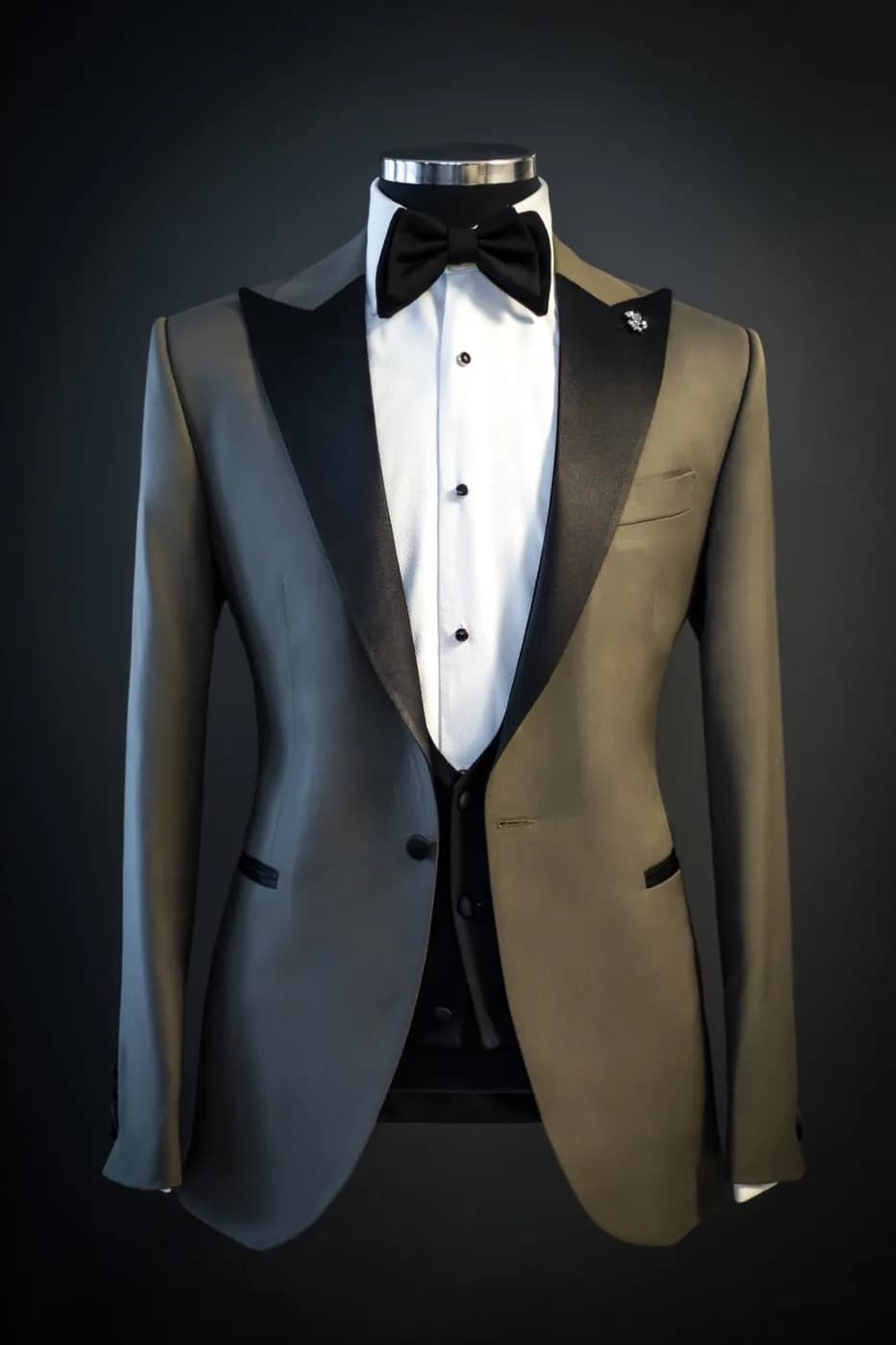
After the party, a tuxedo should be taken off with care, not thrown over a chair. Ten minutes done properly that same night, emptying the pockets, hanging the suit to air, brushing, looking for stains and bagging it in cloth, matter more than an expensive dry clean months later. Wool needs time to release moisture and recover its shape, and a small fault caught early is cheap to repair.
Empty every pocket
The first job on taking the jacket off is to clear the pockets: wallet, phone, car keys, business cards, pocket square, even the evening's programme. A heavy object left in a pocket drags the cloth down and warps the line of the pocket. A phone slipped into the breast pocket can print an outline on the lapel.
Take out the pocket square, shake it and keep it apart. It collects perspiration from the hand and the odd splash of wine, and left in the pocket it will stain.
Hang it up to air overnight
Do not fold the jacket or push it straight into the wardrobe. Your body gives off heat and moisture all evening, and the moisture soaks into the wool and the lining. Hang the jacket on a broad, shaped hanger, wood being ideal, somewhere with moving air and out of direct sun, and leave it overnight. Trousers go on a clip hanger by the hem, or over a bar along the crease; the details are in keeping trouser creases and stripes sharp.
Fasten the top button loosely so the lapels and body hold their shape, but do not crowd the jacket against other clothes. It needs room to breathe out.
Brush off the dust
The next morning, use a soft natural-bristle clothes brush, horsehair or similar, and stroke lightly from top to bottom with the grain of the cloth. This lifts the dust, lint and powder that the eye does not catch, and it is what makes black wool look grey after a few outings. It also keeps grit from wearing the fibres and removes what would otherwise attract moths.
For satin lapels use a very soft brush or a clean dry cloth, lightly and never hard. For velvet, see caring for a velvet jacket.
Check for stains in daylight
Party lighting is warm and dim and hides small marks. In the morning, take the jacket to a window and look in turn at the collar, lapels, cuffs, the front of the chest and the trouser hems. Pay particular attention to places hands touch, such as the cuffs and pocket edges, and to places where drink or food tends to land, such as the front of the midsection.
If you find a mark, do not scrub. The method is in handling stains at the party. Whatever you find, take it to the cleaner early, because the longer a stain sits the harder it is to lift.
Check buttons and seams
While the jacket is in your hands, run a thumb over the front buttons, the cuff buttons, the covered button shanks and the pocket corners. A loose button costs one stitch to fix now, whereas finding it on the night of the next event is a nuisance. If a seam has opened in the lining or underarm, make a note and ask your tailor to deal with it.
Store in a cloth bag, not plastic
Once the suit is dry and aired, put it in a breathable cloth garment bag with a zip and hang it in a dry wardrobe. Avoid sealed plastic: it holds moisture, invites mould and stops the fibre breathing. In humid climates like Saigon, a moisture absorber in the wardrobe is sensible. More on storage is in storing a tuxedo between wears.
Do not dry clean after every wear
A common myth says the suit must be dry cleaned each time it is worn. In fact, frequent cleaning strips the natural oils from the wool, leaves it harsh and shortens the life of the suit. Dry clean when there is a stain, an odour, or after a busy season. For a suit worn only now and then, brushing and airing are enough. Shirts, bow ties and pocket squares are laundered separately as usual.
Let the suit rest between wears
If you wear a tuxedo often in one season, leave a few days between outings. Wool needs time to recover its resilience, just as leather shoes do when you rotate pairs.
When something looks wrong
If after the evening you notice a creased lapel, scratched satin, a loose button or an open seam, do not wait. Bring it to Mon Amie and let a tailor look. Book a visit to the showroom before the next event, because repair time depends on the suit and the workroom schedule.