Care
Dry cleaning a tuxedo: how often and what to watch
Dry clean a tuxedo sparingly: when it is truly needed, how to brush and steam between cleans, what to tell the cleaner about satin, and how to check it.
Mon Amie · 16/10/2026
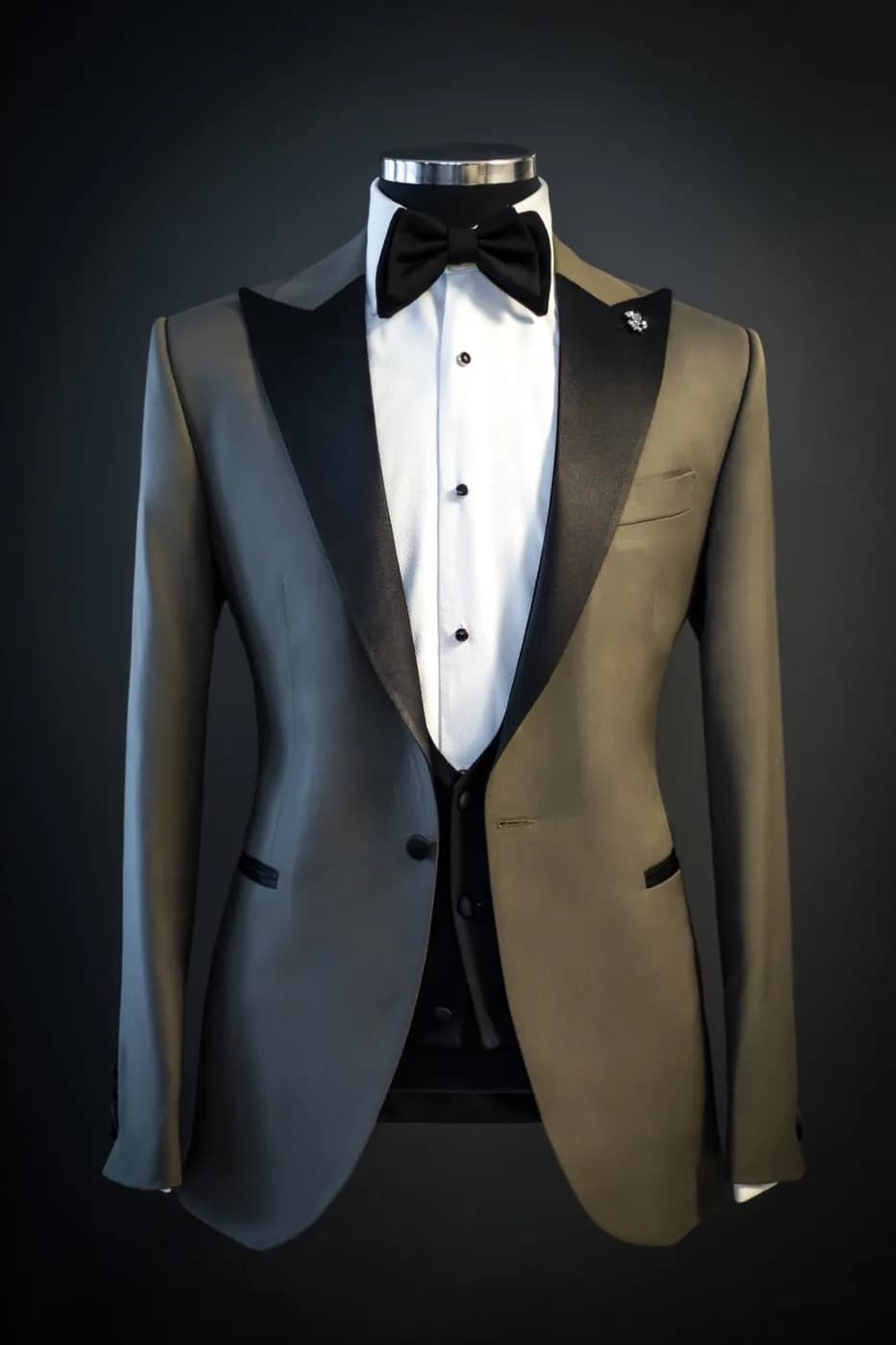
A tuxedo should be dry cleaned only when it really needs it, not on a fixed schedule after every party. Each dry clean exposes the wool to solvent, heat and a press, so the less often you do it, the better the cloth keeps its shape, softness and clean look. In between, brushing, steaming and airing are enough for most situations.
Why less dry cleaning keeps the cloth
Dry cleaning uses chemical solvent instead of water. The solvent lifts oil and dirt but also strips some of the natural oils that keep wool soft. Then comes pressing with heat and steam, which puts pressure on the lapel, shoulders and seams. Repeated often, the canvas inside can slowly lose its spring, the outer cloth dulls and satin lapels can lose their roll.
So the tailor's rule is to clean only for a clear reason: a real stain (wine, grease, sauce), a sweat smell that airing cannot remove, or after a season of heavy wear. A tuxedo is worn for a few hours in the evening and touches the skin less than a business suit worn every day, so it usually needs cleaning less often.
There is no single number that suits everyone. A suit worn a few times a year may need only one dry clean for the whole season. One worn heavily through wedding season may need more. Let the actual condition of the garment be the measure, not a count of wears.
Brush and steam between cleans
Most dust and creases can be dealt with without a cleaner.
- Brush with a soft-bristled garment brush after each wear, with the grain of the cloth, working downward. Dust, lint and powder come off before they settle in. On black cloth this is the step most worth doing.
- Steam lightly to release creases and freshen the smell. Read steaming and pressing without shining the satin to do it properly.
- Air it. After the party, hang the jacket on a wooden hanger somewhere airy, away from strong sun, overnight. It is the simplest way for the suit to shed moisture and odour.
- Treat small marks at once. Blot with a clean cloth, press rather than rub, and remember what the stain was so you can tell the cleaner.
After each party in your tuxedo lays out the full routine.
Tell the cleaner to protect the satin
Once you have decided to dry clean, choose a cleaner experienced with suits and formalwear, and brief them clearly at drop-off:
- This is a tuxedo with satin lapels and trouser braid, so do not press directly on satin and do not press hard on the lapels.
- Keep the roll of the lapel. Do not flatten the lapel fold.
- Point out where the stains are and what they are (wine, grease, ink) so the cleaner can choose how to treat them.
- If there are covered buttons or trims, ask them to protect or remove them.
- Ask for the suit to come back on a hanger, not folded, and take off the plastic at home.
A short conversation at drop-off prevents damage that is hard to repair later.
Check it when it comes back
Do not put it straight into the wardrobe. Check at the counter or at home that same day:
- Satin lapel: even colour, no patchiness, no unusual shine, the roll intact.
- Wool surface: no new shiny patches at elbows, shoulders or seat.
- Buttons and seams: all buttons present and firm, no seams opening.
- Lining: has not shrunk and pulled the jacket out of shape.
- Smell: no strong solvent odour. If there is, air it longer outside the bag.
- Stains: are the marked stains gone? If not, tell the cleaner soon.
If you find a problem, take it back straight away with a photo, then ask a tailor. Mon Amie can look at the cloth and satin details on a suit made in our workroom. Over the long term, black cloth that holds its colour explains why good cloth tolerates correct care.
When dry cleaning is warranted
- Grease or wine stains a damp cloth cannot lift.
- A sweat smell that remains after airing.
- Before long storage, if the suit has been worn many times.
- After an event where the suit absorbed smoke or heavy cooking smells.
Beyond these, brush, steam and hang it somewhere airy.
Ask the tailor at Mon Amie
If you are unsure whether your suit needs cleaning yet, bring it in so a tailor can judge the condition of the cloth. Book a visit at the showroom and your consultant will set aside time for you.