Opera pumps: the classic evening shoe
What opera pumps are: low-cut evening shoes with a grosgrain bow, their roots in court footwear, how to wear them with silk socks, and who should try the style.
Editor: Mon Amie · Published · about 3 min read
In this article
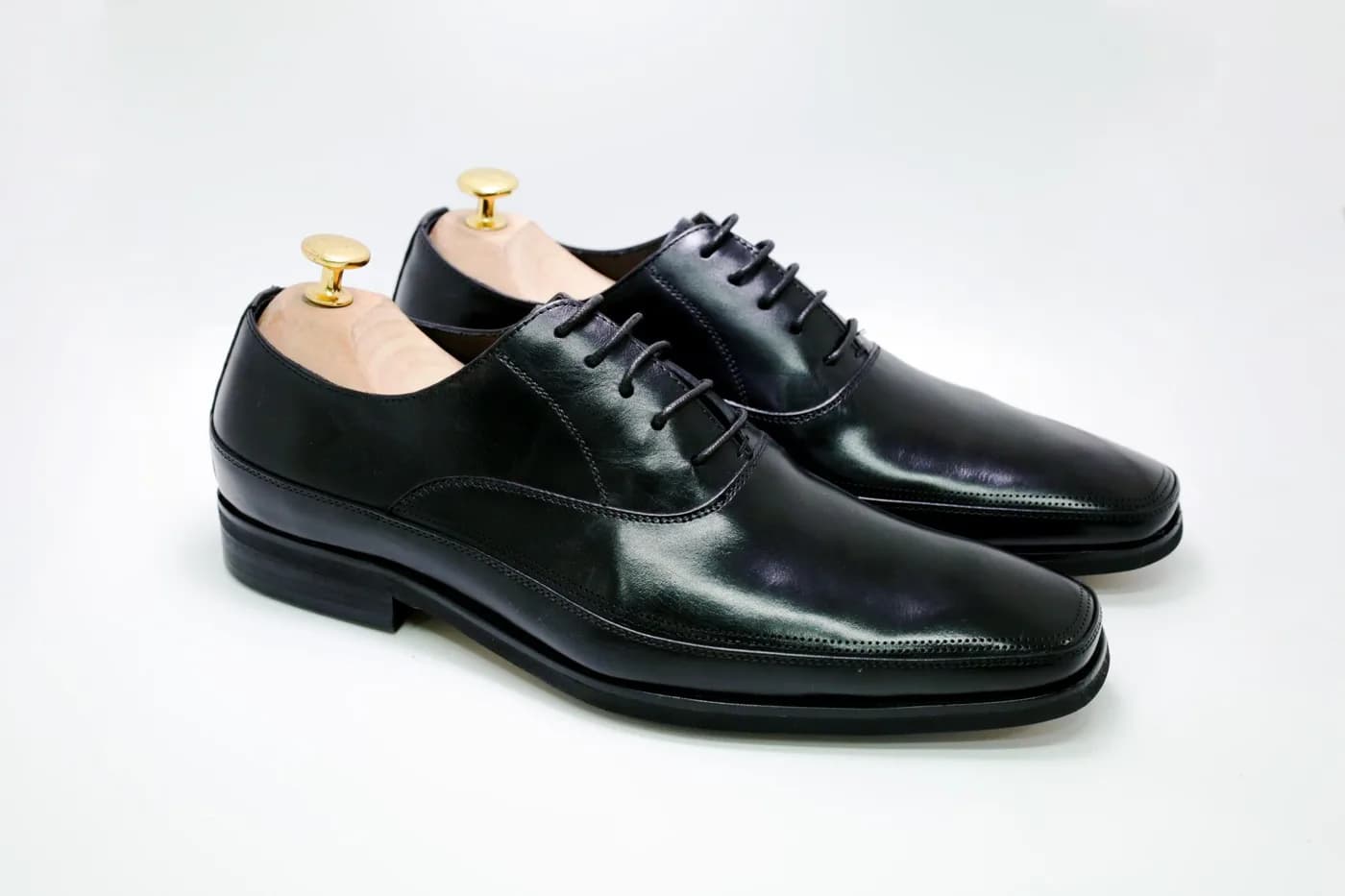
The opera pump is a low-cut, thin-soled evening shoe with a plain toe and a small grosgrain bow across the instep. It is among the oldest shoes in the formal-wear wardrobe and is correct with both a tuxedo and white tie. If you like details that show real knowledge of dress, this is the shoe to try.
What it looks like
The identifying features are clear:
- Low cut: a shallow opening that shows most of the instep, with no laces.
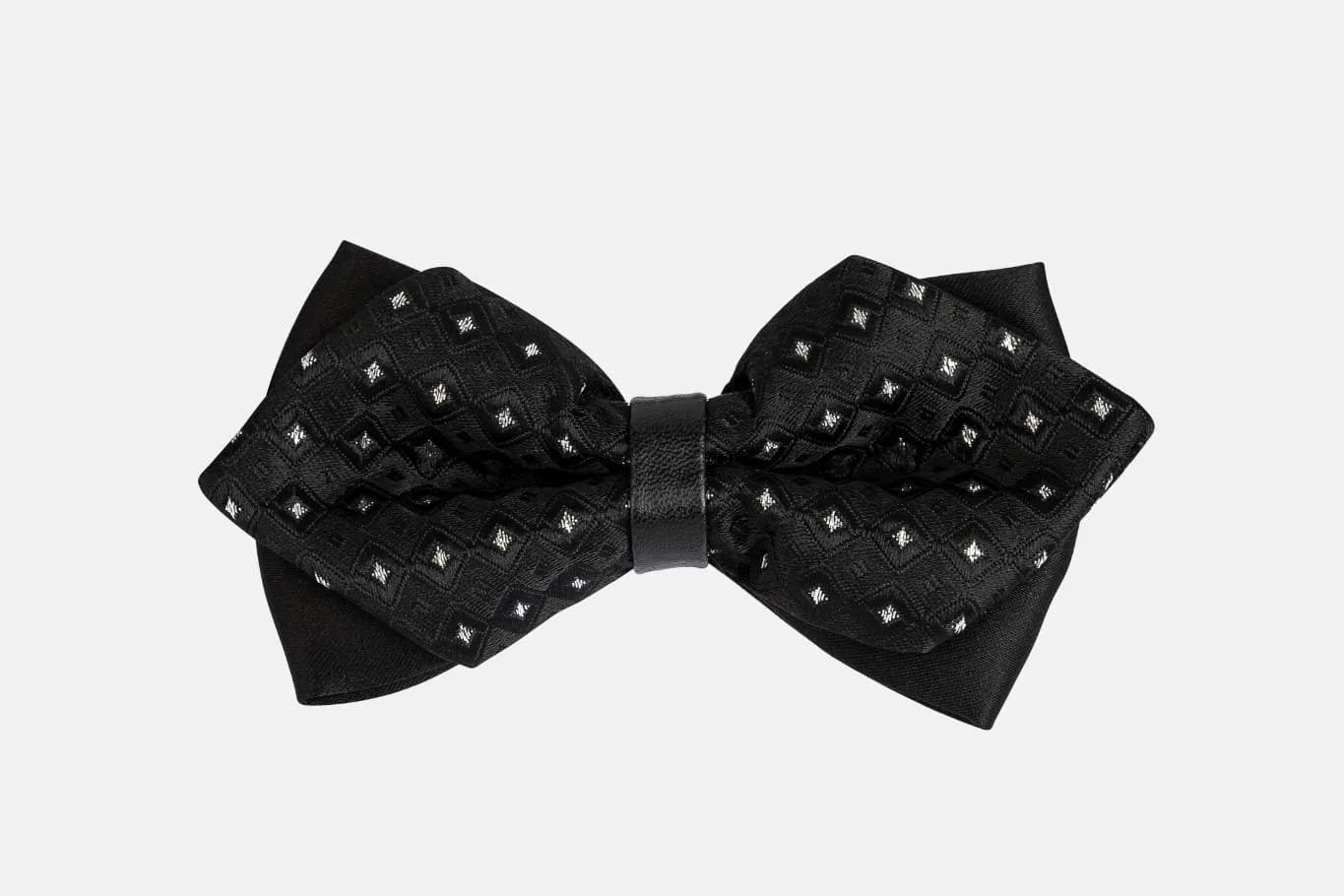
- A grosgrain bow: a small bow of ribbed grosgrain ribbon, usually black, sitting on the vamp. It is purely decorative.
- A thin sole and low heel, a slim last and a plain toe.
- Materials: black patent or polished calf.
The shoe is light and close-fitting. That demands thin, well-fitted socks and trousers cut to the right length to flatter its slim line.
Roots in court footwear
The opera pump descends from the shoes of European court dress: thin-soled, low-cut shoes, often with a buckle or bow, worn with knee breeches and silk stockings. When court dress faded, this form did not vanish. It stayed on in evening wear, and the name "opera pump" is tied to attending the opera or a late-night function. Exact dates and places of that transition vary by source, so the point to remember is simply that it is a close relative of the court shoe.
That continuity explains why it is still regarded as suitable for white tie, the most traditional evening dress, as well as for the tuxedo.
Worn with silk socks
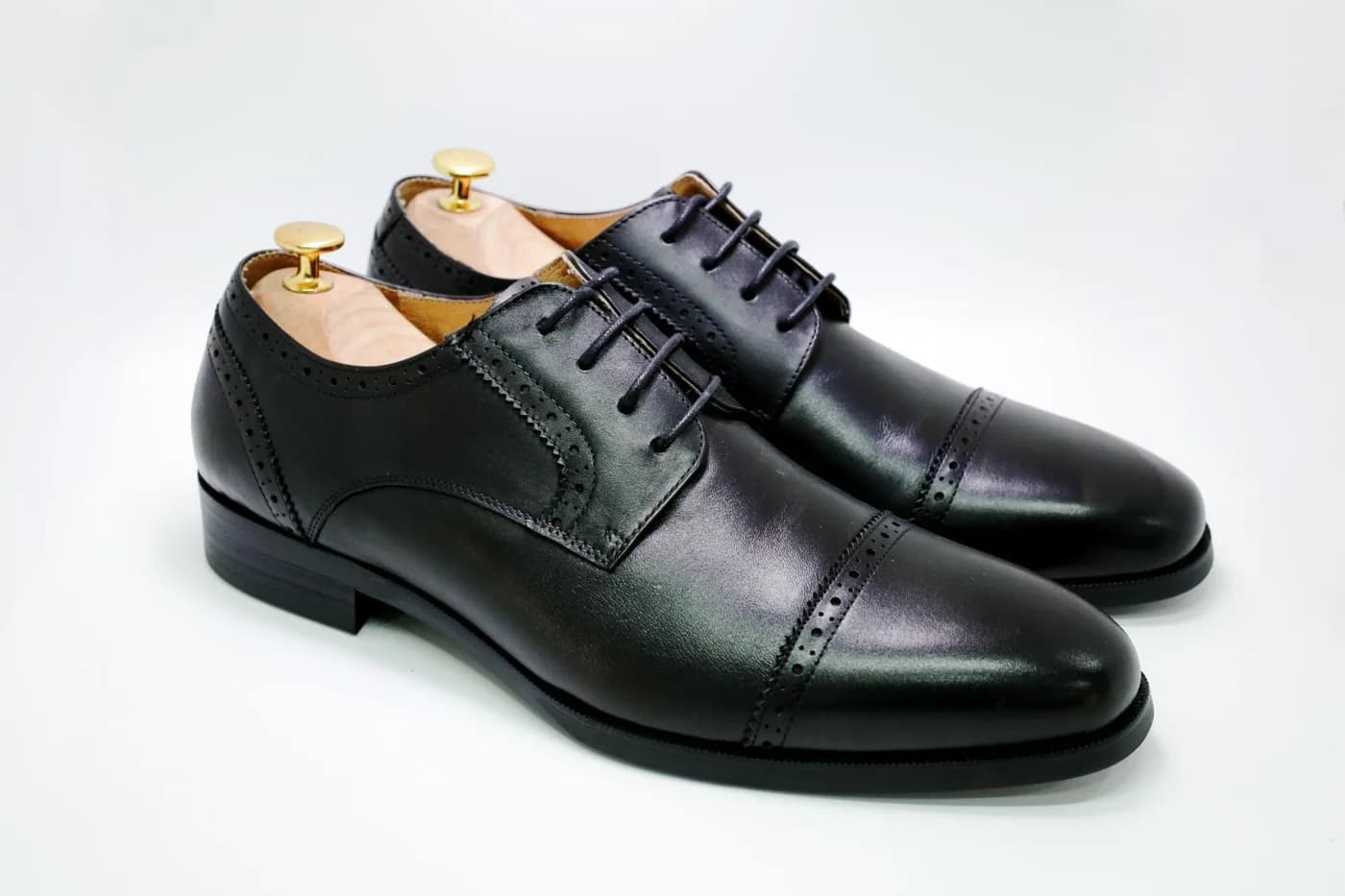
Because the shoe leaves the instep and ankle open, the sock becomes part of the look. The rules:
- Black, thin socks in silk or fine cotton, over-the-calf in length. When you sit or cross your legs, no skin shows between sock and trouser hem.
- No thick or sports socks: they crowd the shoe and ruin the line.
- Keep socks up with garters if they tend to slip. See our piece on socks with a tuxedo.
The tuxedo trouser hem should rest lightly on the shoe and show a little sock when you sit. Trousers that are too short or too long both spoil the look of a pump.
Who should try them
Opera pumps are not for everyone. They are worth trying if:
- You love classic style and small details, and wear evening dress several times a year.
- You have slim to medium feet, not very broad ones.
- You attend galas, opera, concerts or properly formal black-tie dinners.
- You are used to oxfords and want a different option that still follows the rules.
Think twice if:
- You have wide feet or long toes: a low-cut shoe may slip at the heel.
- You will walk a lot or stand all night: a thin sole offers little support.
- The event is relaxed and you do not want to be noticed for your shoes.
For many men the oxford remains the easier, more familiar choice. Opera pumps versus patent oxfords compares the two in detail.
Choosing and keeping them
- Pick a bow with clear ribbing, small and in the shoe's colour. An oversized bow makes the shoe look like stage footwear.
- Try them with the socks you will wear, and walk around to confirm the heel holds.
- Care for them properly: wipe patent clean of dust, polish calf lightly. Use shoe trees when storing.
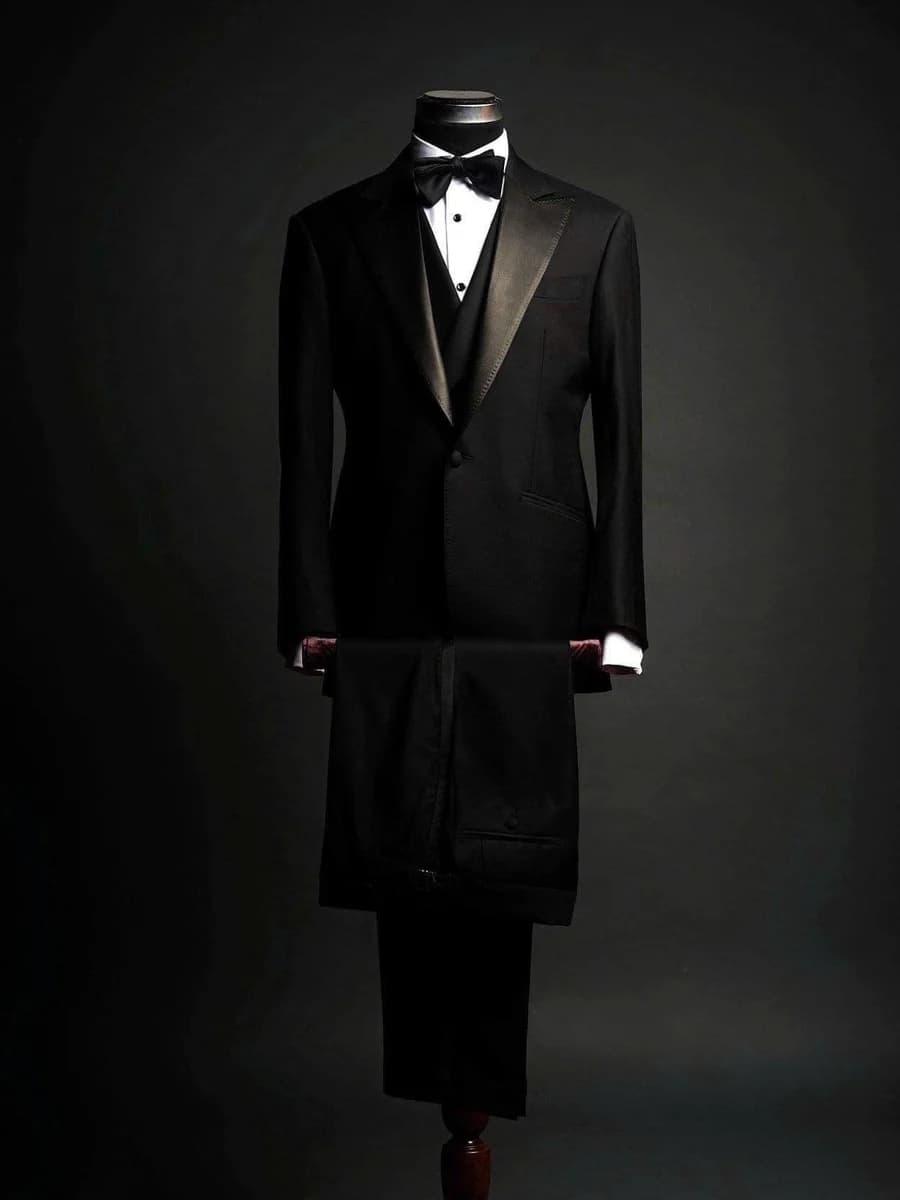
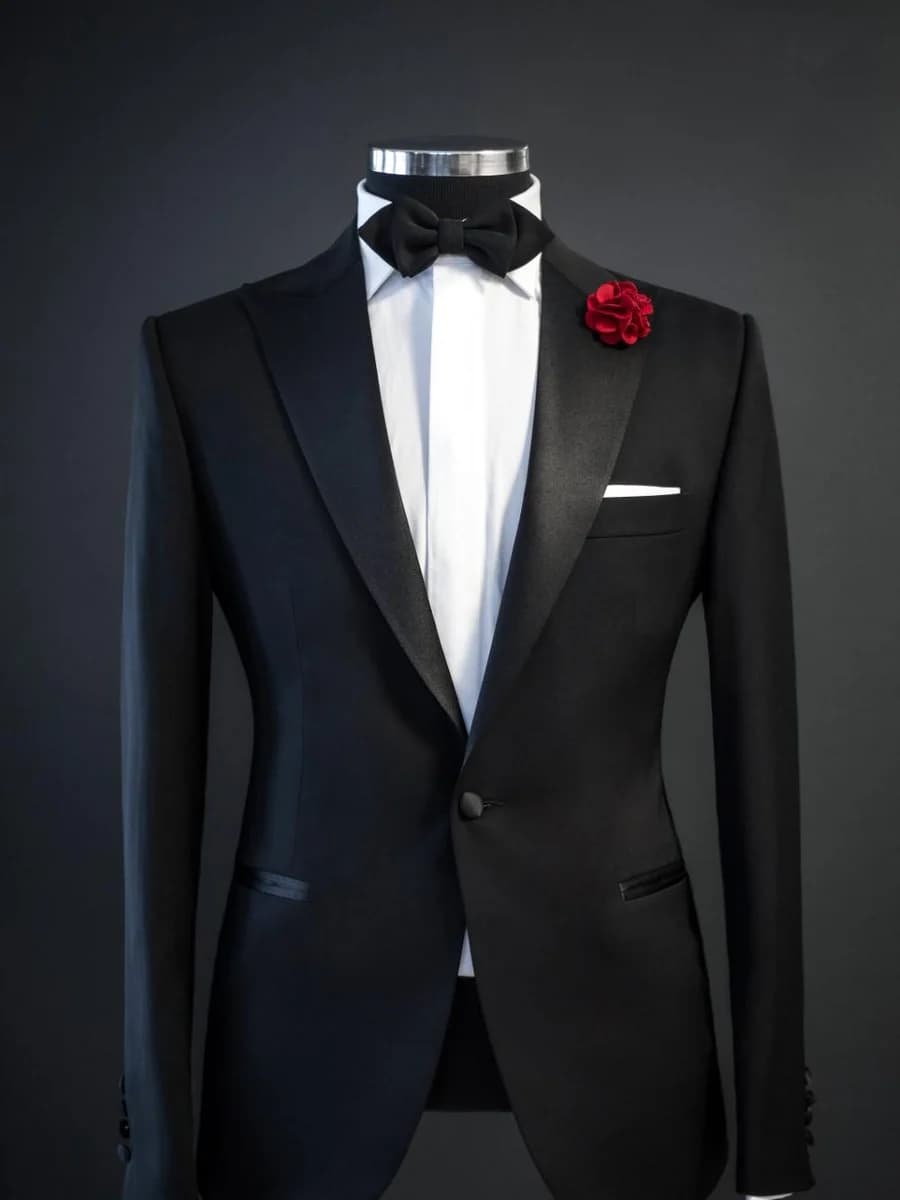
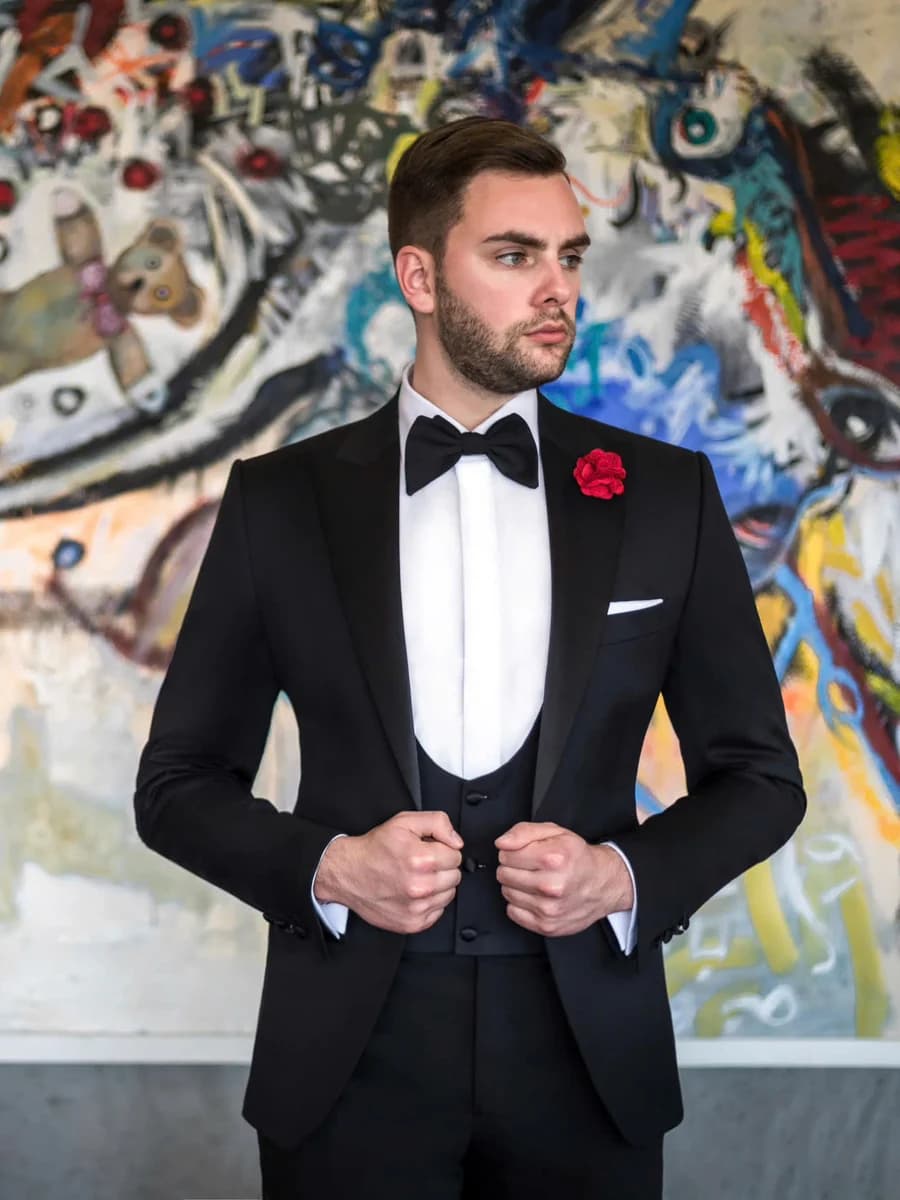
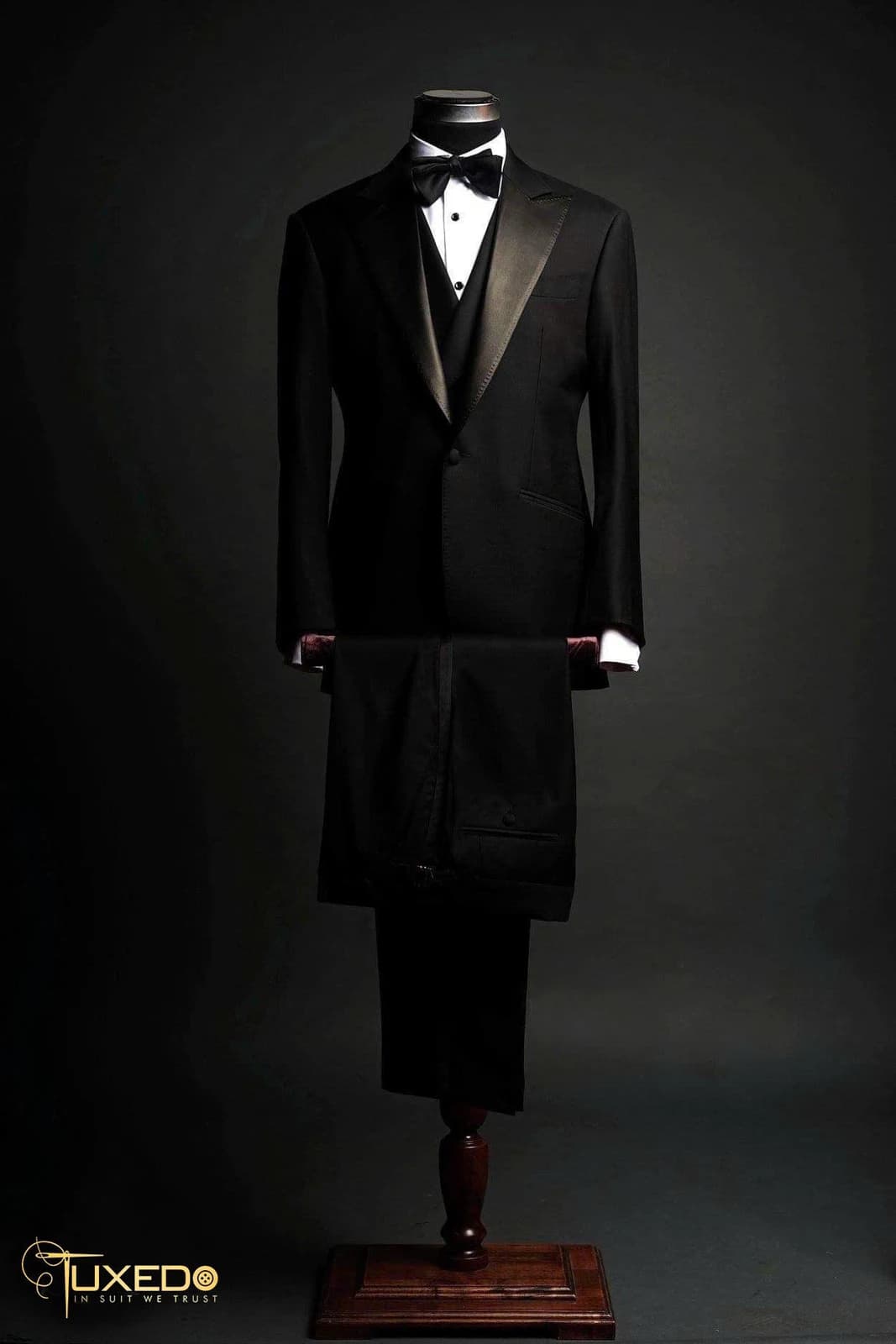
In the collection, a black peak-lapel tuxedo such as TUX-004, a full black set with peak lapels, or TUX-060, pure black with black satin lapels, gives the pump a clean background: all the attention goes to line, with nothing competing with the shoe.
When to ask your tailor
If you plan to wear opera pumps, bring them to your fitting. The trouser length for a pump differs from an oxford, since the shoe sits lower and shows more of the sock, and the tailor will check it. Book a fitting at Mon Amie or see our bespoke tuxedo page.
Published 05/11/2026 · 17:30 · Editor: Mon Amie