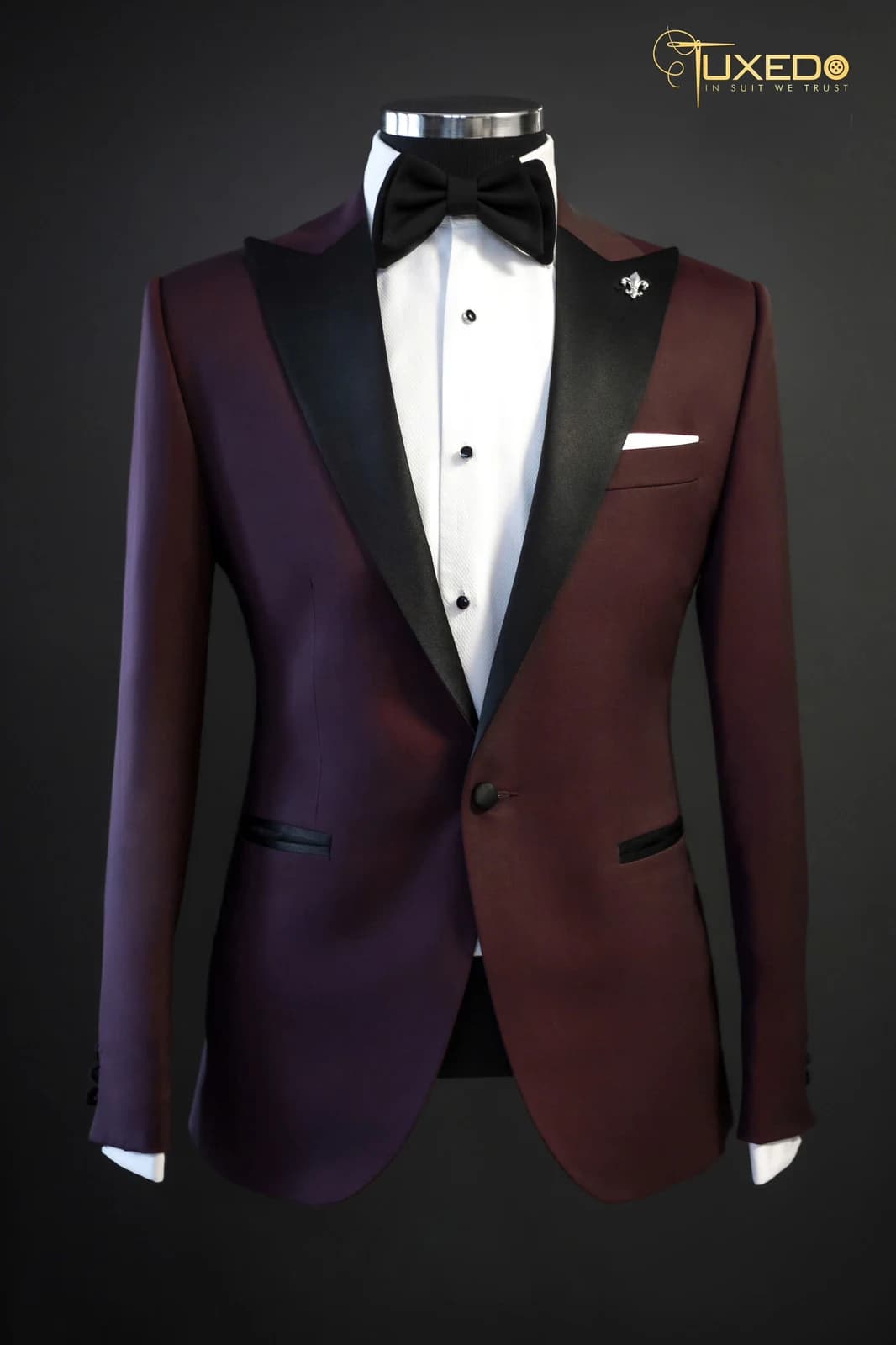
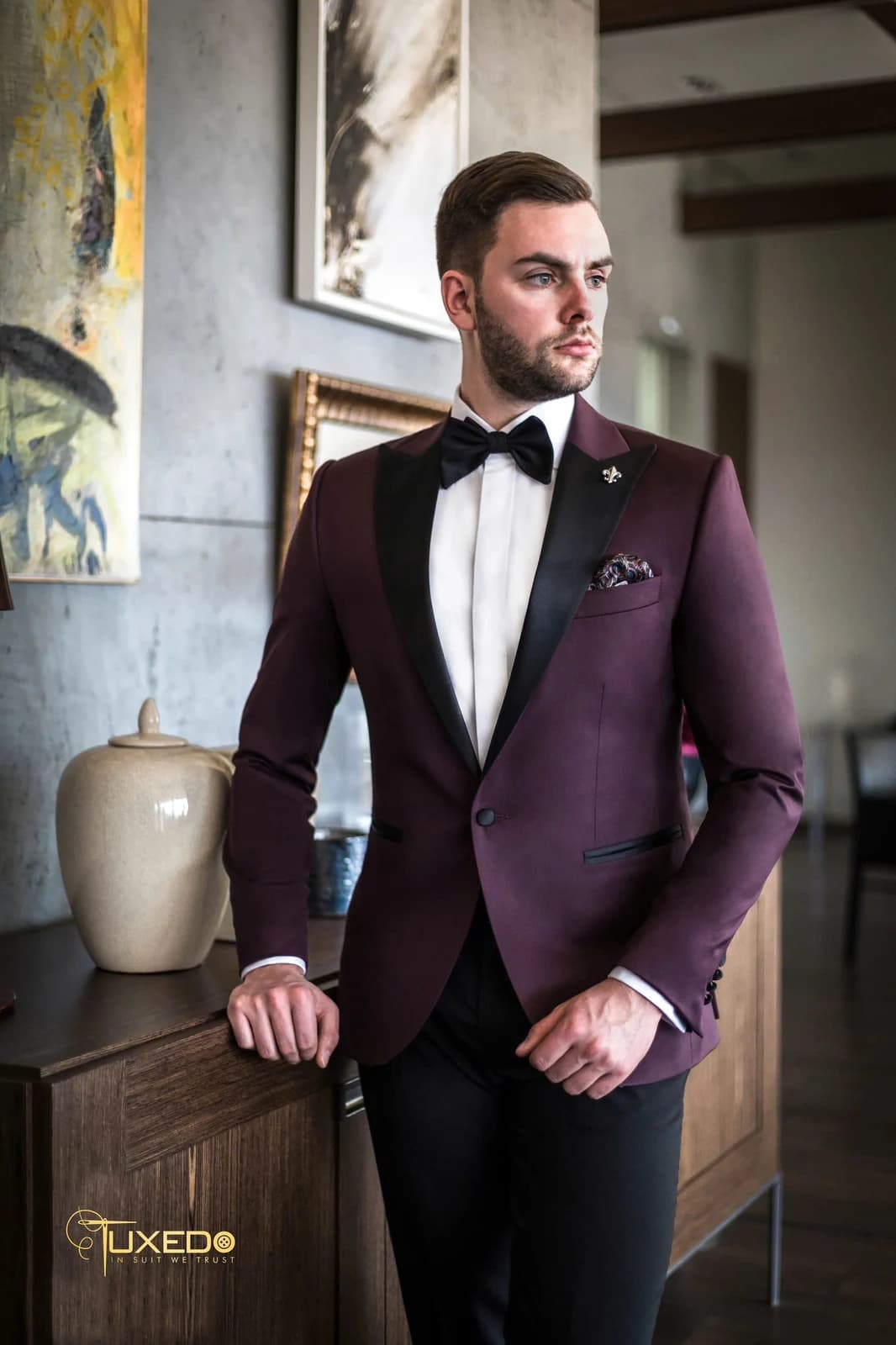
Tuxedo for balls and dancing: a dinner suit you can move in
Choosing a tuxedo for a ball or dance night: a high armhole for raised arms, a waistcoat that stays neat in turns, a leather sole with glide, a buttoned jacket.
Editor: Mon Amie · Published · about 4 min read
In this article
A tuxedo for dancing has to do two things at once. Standing still, it should look clean and flat. With your arm raised to lead a partner, it should not drag the whole jacket up with it. That comes down to three places: the shoulder and armhole, what you wear underneath, and your shoes. Here is how a tailor looks at each.
Shoulder and armhole: where arm movement is decided
In a waltz or foxtrot, the leader's left arm rises to shoulder height and the right hand rests on the partner's back. If the armhole is low and wide, every lift pulls the body of the jacket with it. The collar gaps at the neck, the lapels lift away from the chest, and the sleeve rides up past the shirt cuff.
A tailor's fix runs against intuition. The armhole is cut high and close to the body rather than loose. With a high armhole the arm moves inside the sleeve and the jacket stays put. A well-fitted jacket is often easier to dance in than a roomy one.
At the fitting, try the dance posture itself: stand tall, raise the left arm to shoulder height, bring the right arm forward as if holding a partner at the waist, and ask the tailor to look from behind. The collar should still sit against the neck, and there should be no horizontal fold running from shoulder to armpit. The back needs enough room for the shoulder blades to turn. Close fitting does not mean tight. For more on shoulder fit, see how a tuxedo shoulder should fit.
A waistcoat keeps things neat through the turns
Dancing means turning and bending, so shirt tails creep out of the waistband and a cummerbund can ride up with your breathing. A waistcoat solves both. It covers the waistband, holds the shirt in place and gives a flat front where the jacket falls open as you lean.
The cummerbund is still the correct formal choice. If you want one for dancing, have it cut to fit snugly, with the pleats facing up, and ask the tailor to set it to your actual waist. If the night is long, the room warm and you plan to dance a lot, a thin waistcoat with an adjustable back strap is usually more comfortable. The two options are compared in three-piece tuxedo: waistcoat or cummerbund.

Leather soles with a little glide
Dance floors are usually polished wood or stone. A rubber sole grips so firmly that when you pivot, the foot sticks while the knee turns, which is hard on the joint. A brand-new patent shoe with a glassy sole can instead slide on stone.
Leather soles suit dancing because they let the foot turn while still giving some friction. If a new sole is too slick, scuff it lightly with sandpaper or have a cobbler treat it beforehand. Wear patent shoes in before the event as well, since patent leather barely stretches and feet swell after hours of standing and dancing. The article on leather or rubber soles goes deeper.
Keep the jacket buttoned when you dance
A single-button dinner jacket is buttoned when you stand and dance, and opened when you sit at the table. An open jacket swings out on every turn, brushes your partner's gown and tugs the shoulder seam off line. Buttoned, it hugs the body and the two fronts close into one clean line.
A few small habits protect the fit:
- Keep the pockets empty. Leave phones and thick wallets at the table or with the person you came with.
- Fold the pocket square flat and fasten any boutonniere firmly into the lapel buttonhole.
- Take your jacket off only if the host or the guest of honour does so first. At a black tie evening it normally stays on.
- If you know you perspire heavily, keep a spare shirt or a light cloth at your seat.
Cloth and breathability for a long night
In Ho Chi Minh City a ballroom is air-conditioned, yet with hundreds of people dancing it still warms up. A light, tightly woven wool that resists creasing is a sensible choice for a long evening. The sleeve lining should be a smooth, slippery weave so your arm slides in and out without catching. If you expect to dance a lot, tell your tailor when you choose cloth and lining.
Two models to look at
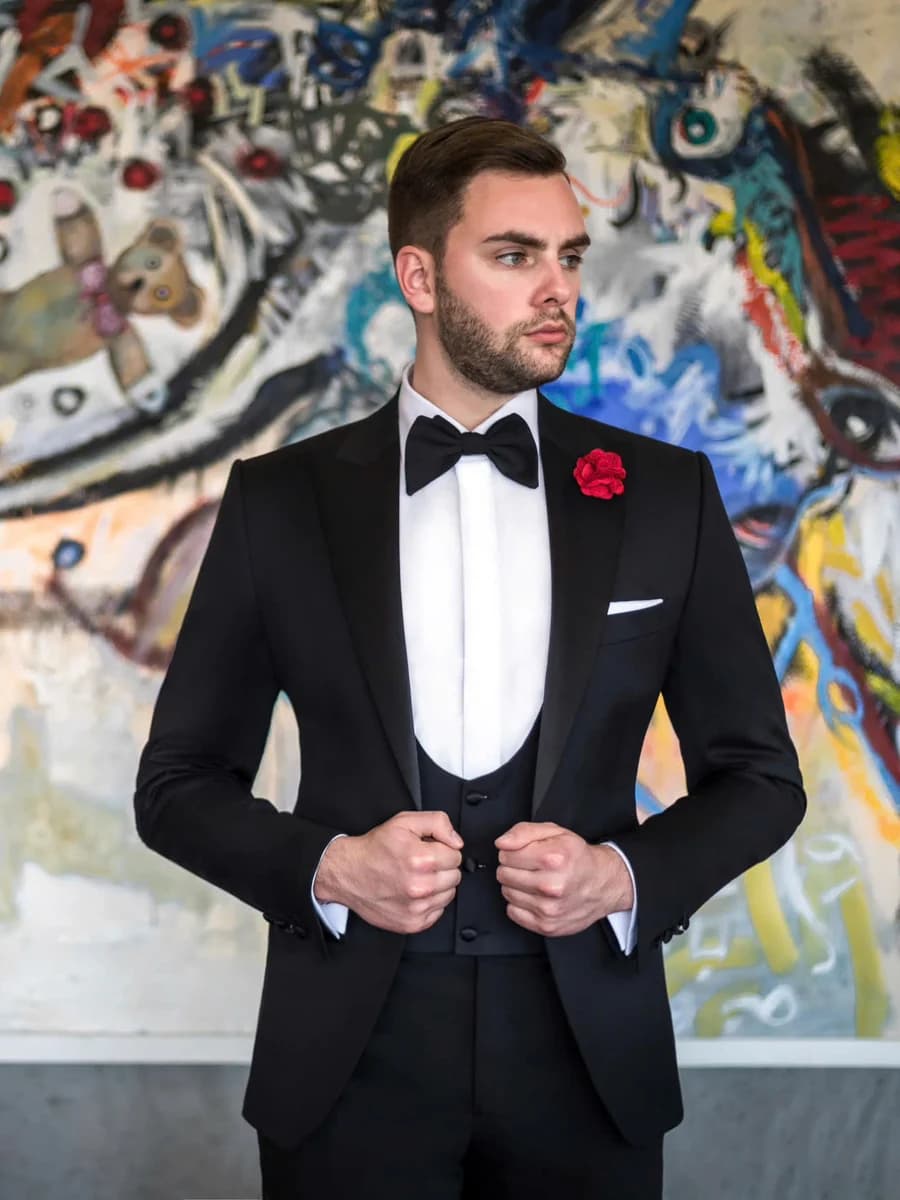
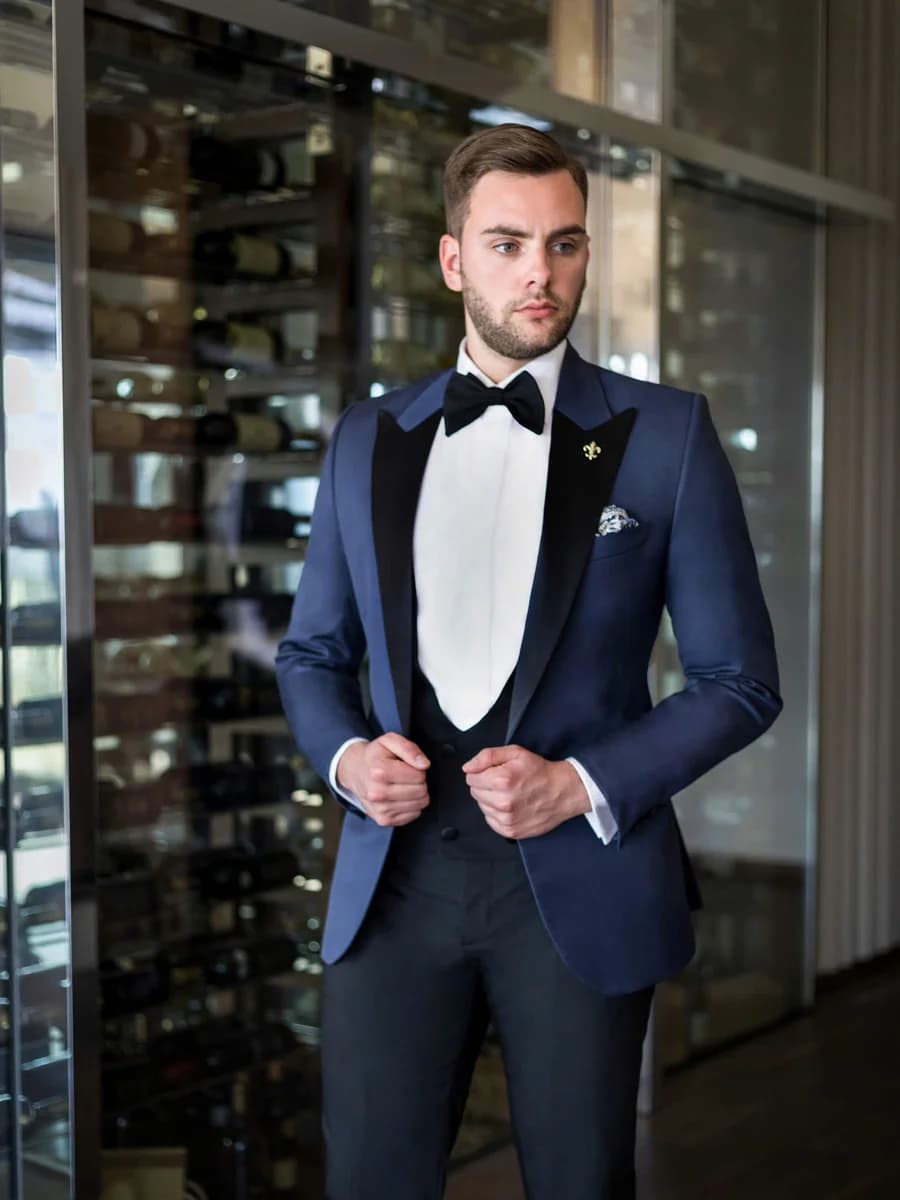
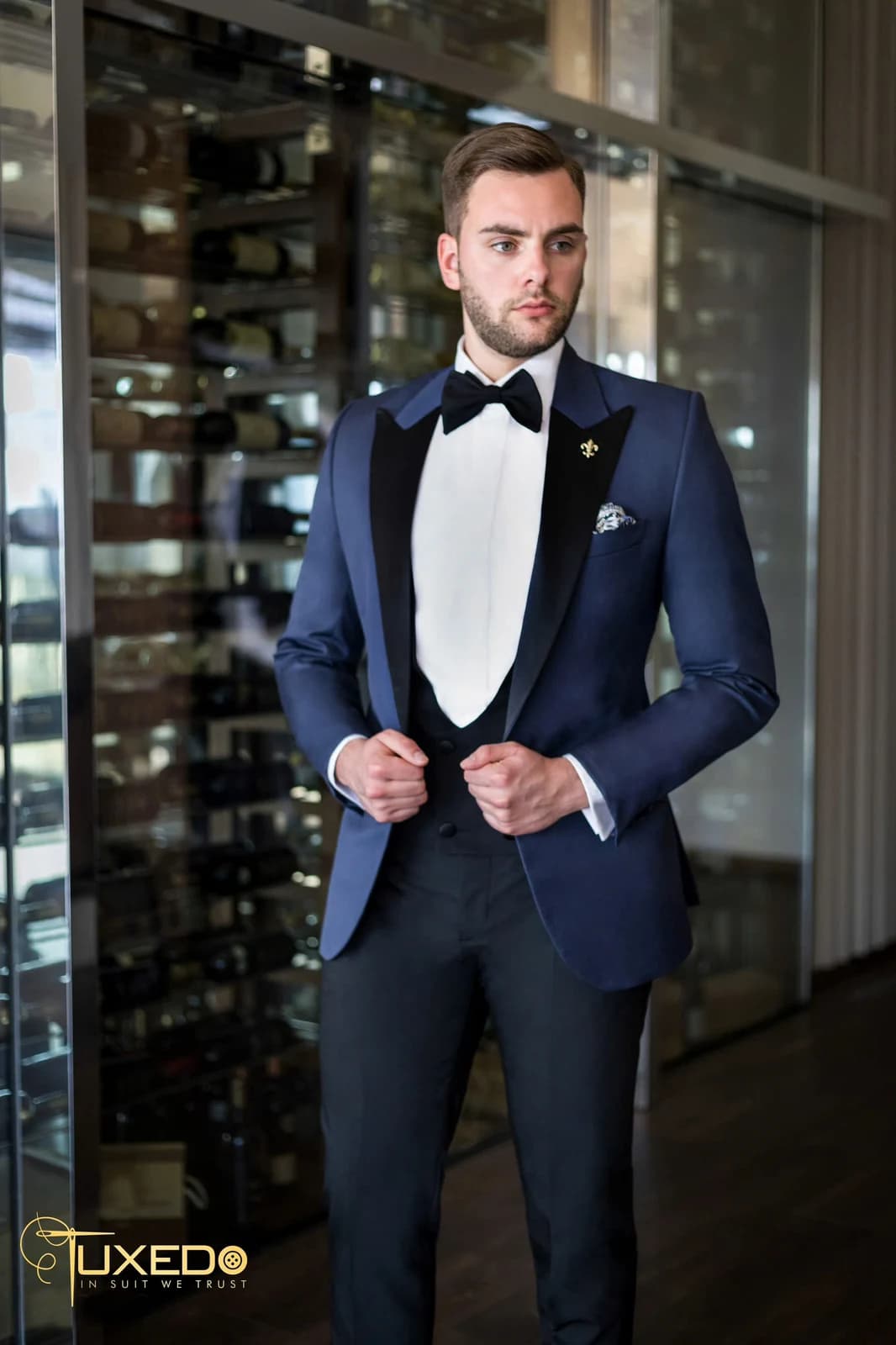
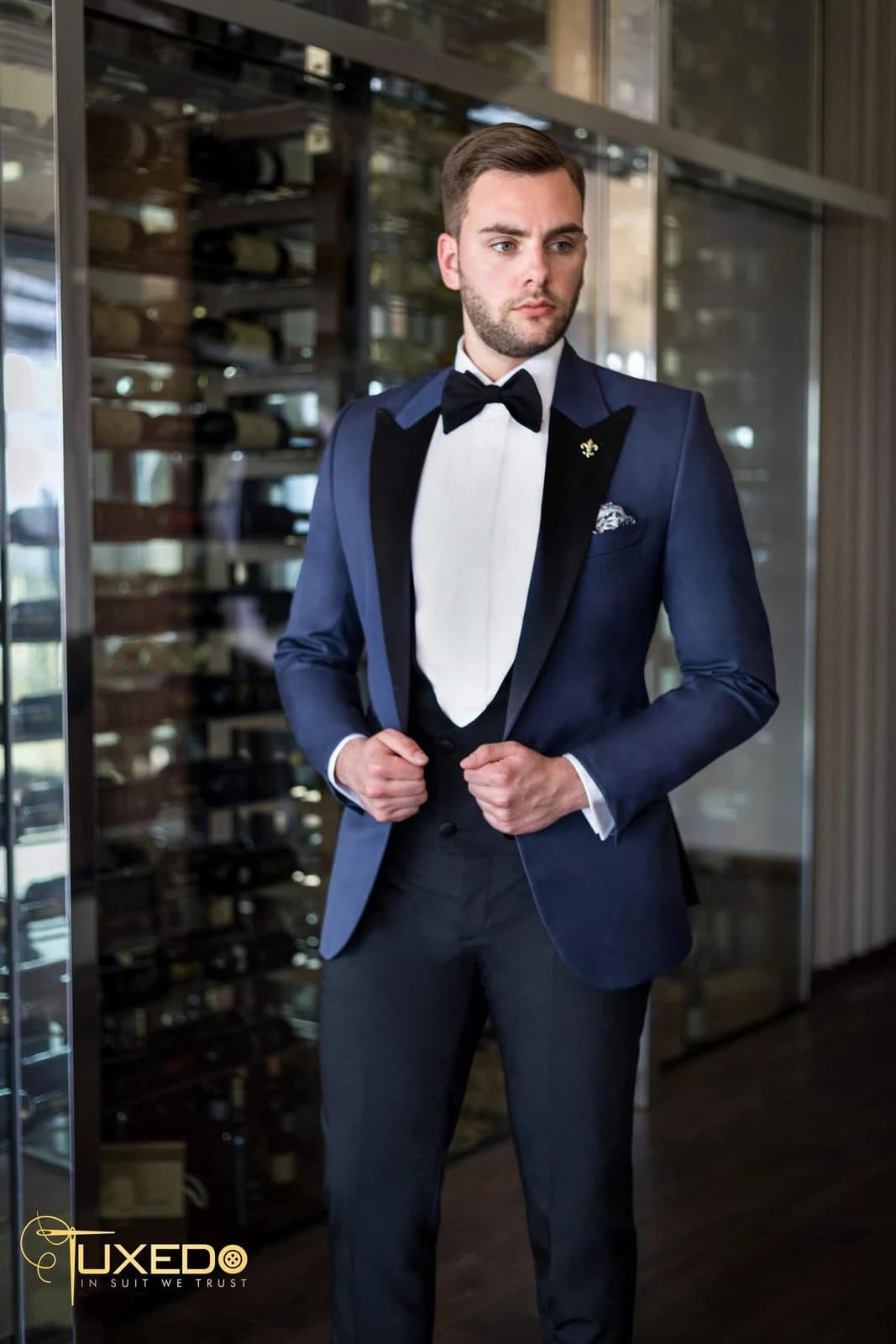
If you like a three-piece for the waistcoat, TUX-027 is a classic black three-piece with peak lapels, and TUX-028 is a navy three-piece paired with a black waistcoat, which sits well in a warm, golden-lit ballroom. Both can have the armhole and sleeve length adjusted when made to measure.
Try the jacket with your own movements
The surest way to know whether a tuxedo is easy to dance in is to put it on and dance a few steps at the fitting. At the showroom, tell the tailor you are going to a ball so he can watch the armhole, the room across the back and the sleeve length. You can book a fitting at the showroom and ask the consultant to measure you in the dance posture.
Published 06/11/2026 · 11:30 · Editor: Mon Amie