Evening Shoe Soles: Leather or Rubber on Slippery Floors
Leather soles keep evening shoes slim but slip on polished stone; rubber grips better but is thicker. A thin sole guard helps. Choose by dancing or standing.
Editor: Mon Amie · Published · about 4 min read
In this article
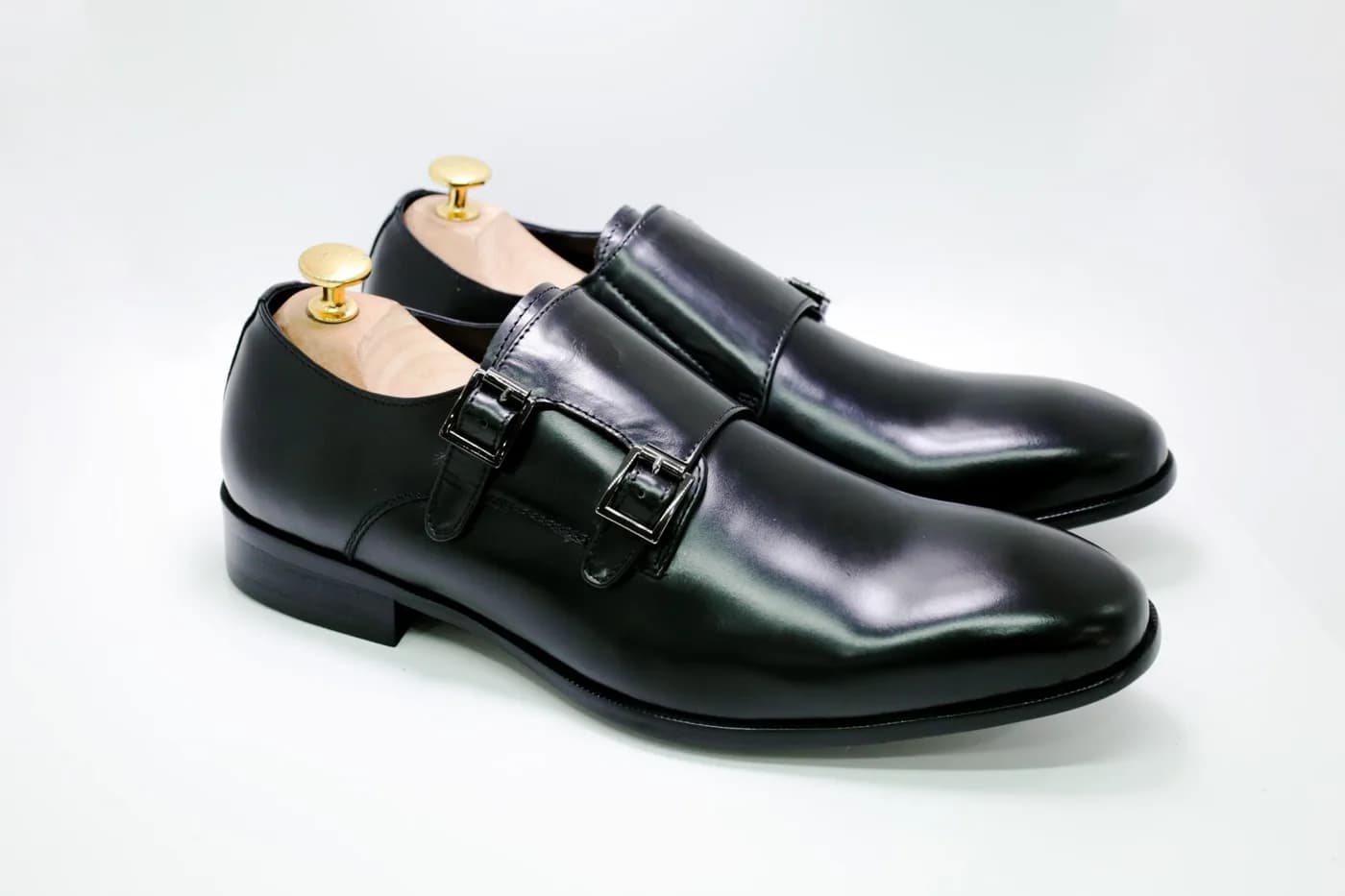
A leather sole gives the shoe a slim, correct line but slips on polished stone. A rubber sole grips far better, at the cost of a thicker shoe that loses the slim look of evening footwear. Between the two there is a middle path: a thin rubber layer added to a leather sole. Which you choose depends on whether you will be dancing or standing for most of the evening.
Leather soles: slim but slippery
Traditional evening shoes, from patent leather to opera pumps and black Oxfords, use thin leather soles. The reason is not only tradition:
- A thin leather sole keeps the outline balanced and the toe slim, so the foot does not look heavy beneath satin-striped trousers.
- Leather breathes, which is comfortable in a ballroom.
- Leather glides well on a dance floor, suiting turns and pivots.
But that same glide becomes a problem on marble, polished granite or the glazed tile of a hotel lobby, especially when the floor has just been mopped or is damp. A new leather sole, still with its smooth surface, is often very slick. Steps and thinly carpeted staircases also call for care.
A small tip: roughen a new leather sole lightly with fine sandpaper or a sole brush so it grips more while keeping the material. Do it before the event, not in a rush on the day.
Rubber soles: grip but bulk
Rubber, or a moulded sole with a tread, grips the floor well and suits slick stone or damp ground. Its drawbacks:
- Thicker, so the shoe looks coarser and the ankle sits slightly higher, which affects the proportion of satin-striped trousers.
- Heavier, so the step feels different from a thin leather shoe.
- Less glide, which can catch during dance steps that need a pivot.
- Evening pumps and patent shoes are almost never made with thick rubber soles while staying slim.
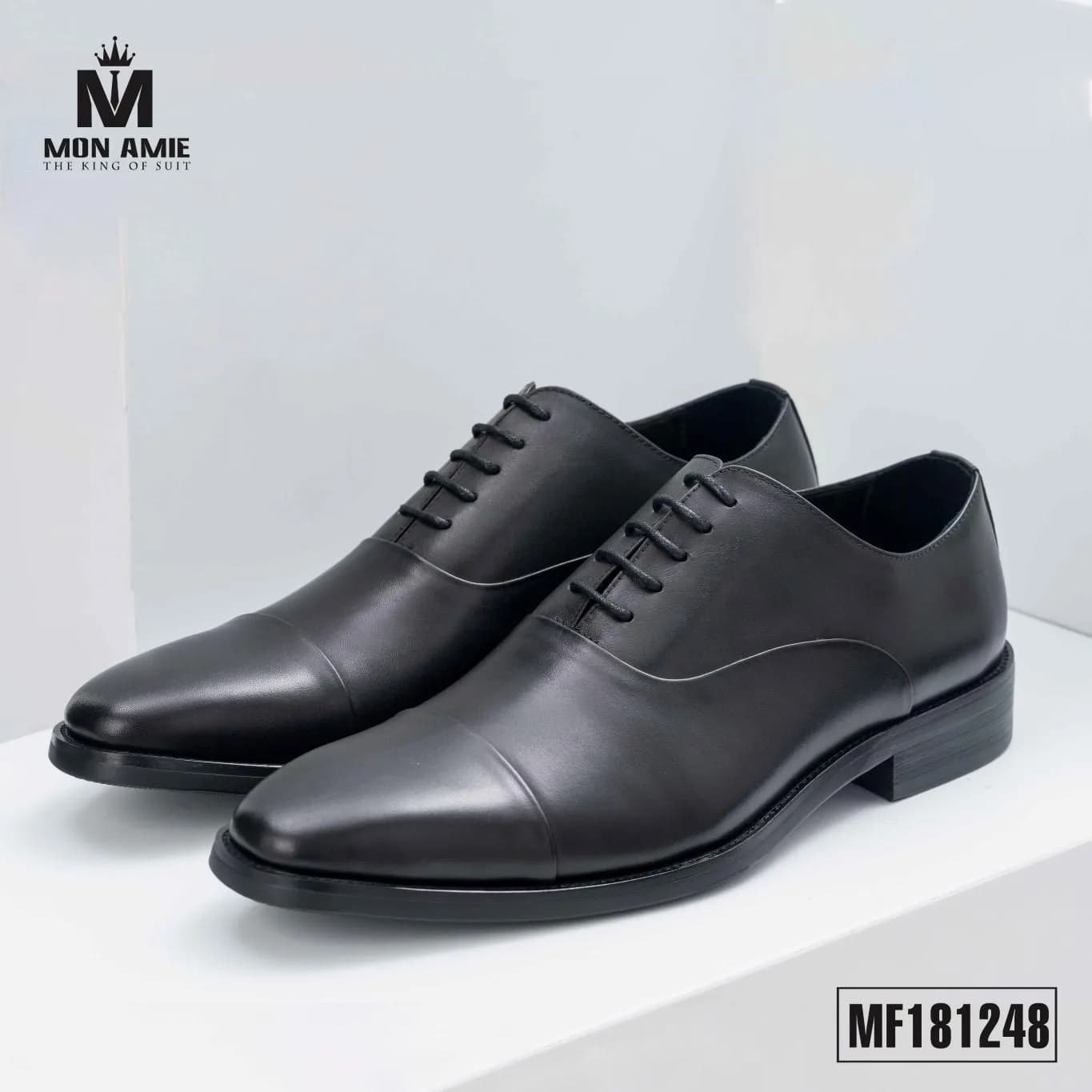
If you already own black Oxfords with a thin rubber sole for the office, they can serve at a less formal tuxedo event. For proper black tie, a leather sole remains the cleaner choice. On the types of shoe, see black patent Oxfords for a tuxedo and opera pumps and patent Oxfords.
A thin sole guard: the middle path
A cobbler can glue a thin rubber layer (often called a sole protector or half sole) onto a leather sole:
- A meaningful gain in grip with only a slight increase in thickness, so the shoe keeps its shape.
- It protects the leather from wear if you walk a lot.
- It can be removed or replaced if the work is done carefully.
Points to watch:
- Have it done well before the event so you can test it and get used to it, not on the morning of the party.
- Choose a thin, even black piece and ask for it to be set flush to the edge so it does not show when you cross your legs.
- For patent shoes or very thin leather, ask the cobbler first, because adhesive and pressure can harm the shoe.
- Stitched (Goodyear) soles and glued soles are treated differently; an experienced cobbler will know what to do.
Choose by dancing or standing
It depends on how you will spend the evening:
You will dance. You need moderate glide to turn safely, but not so much that you lose control. A leather sole that has been lightly roughened, or leather with a thin guard, suits well. A thick rubber sole can catch when you pivot, risking a twisted ankle. See also dance nights and balls.
You will stand and circulate in the lobby. Prioritise grip and cushioning. A thin rubber sole, or leather with a thin guard plus a cushioned insole, is more comfortable. An evening spent greeting guests on stone calls for a shoe that does not make you think about each step.
You will stand and dance a little. A thin sole guard is a reasonable answer to both. Test it beforehand.
Outdoor events, lawns, damp steps. A treaded rubber sole suits better than leather. Check the surface and the weather in advance.
A few extra tips
- Ask the venue about the floor: polished stone, wood, carpet or tile.
- Wear the shoes a few times on a floor at home before taking them to the event.
- Sweaty feet make the foot slide inside the shoe, so pick thin absorbent socks and a snug insole.
- Do not spray anti-slip product on a new sole before asking the cobbler, since it can stain the leather.
Book a fitting at Mon Amie
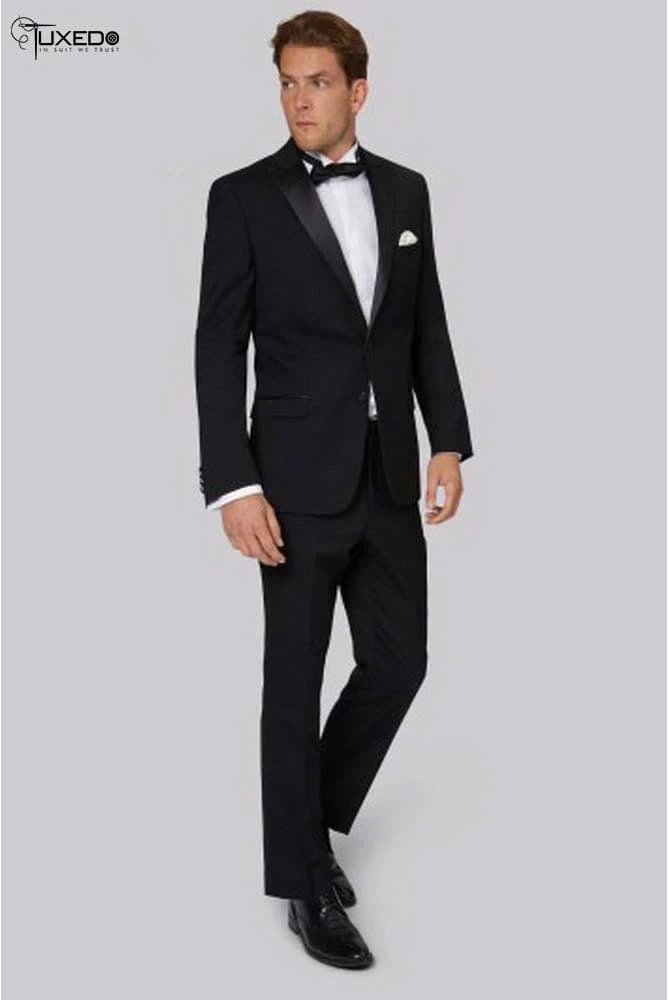
When you try on the tuxedo, bring the actual shoes you plan to wear so a consultant can judge the proportion of trouser and shoe. Trousers cut too long will catch on a thick sole, and too short will show the sock. Book a fitting at a showroom and bring the shoes so the tailor can set the hem correctly.
Published 29/11/2026 · 08:30 · Editor: Mon Amie