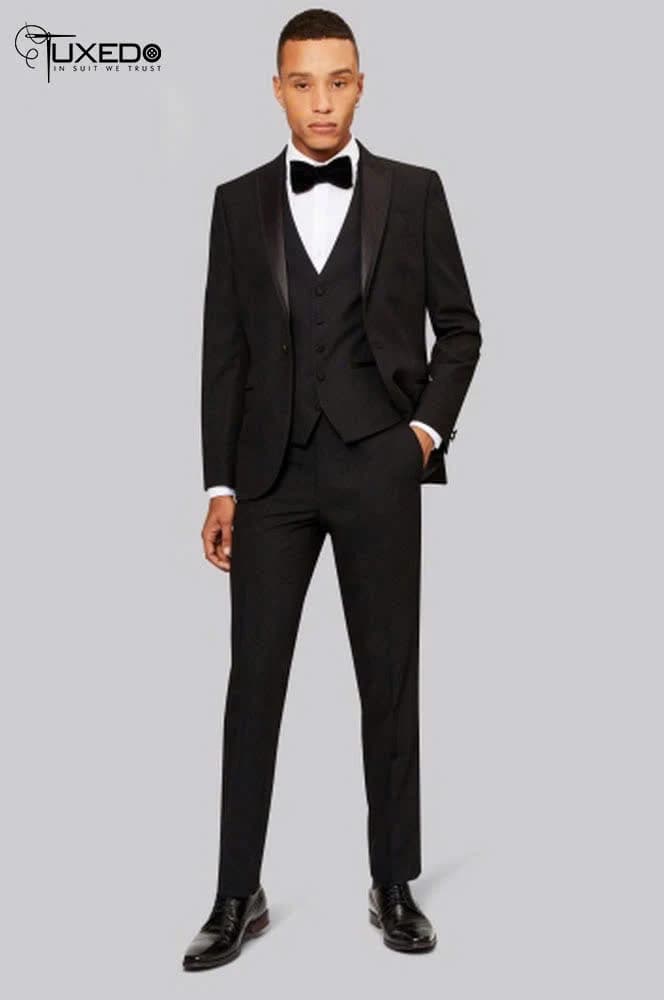
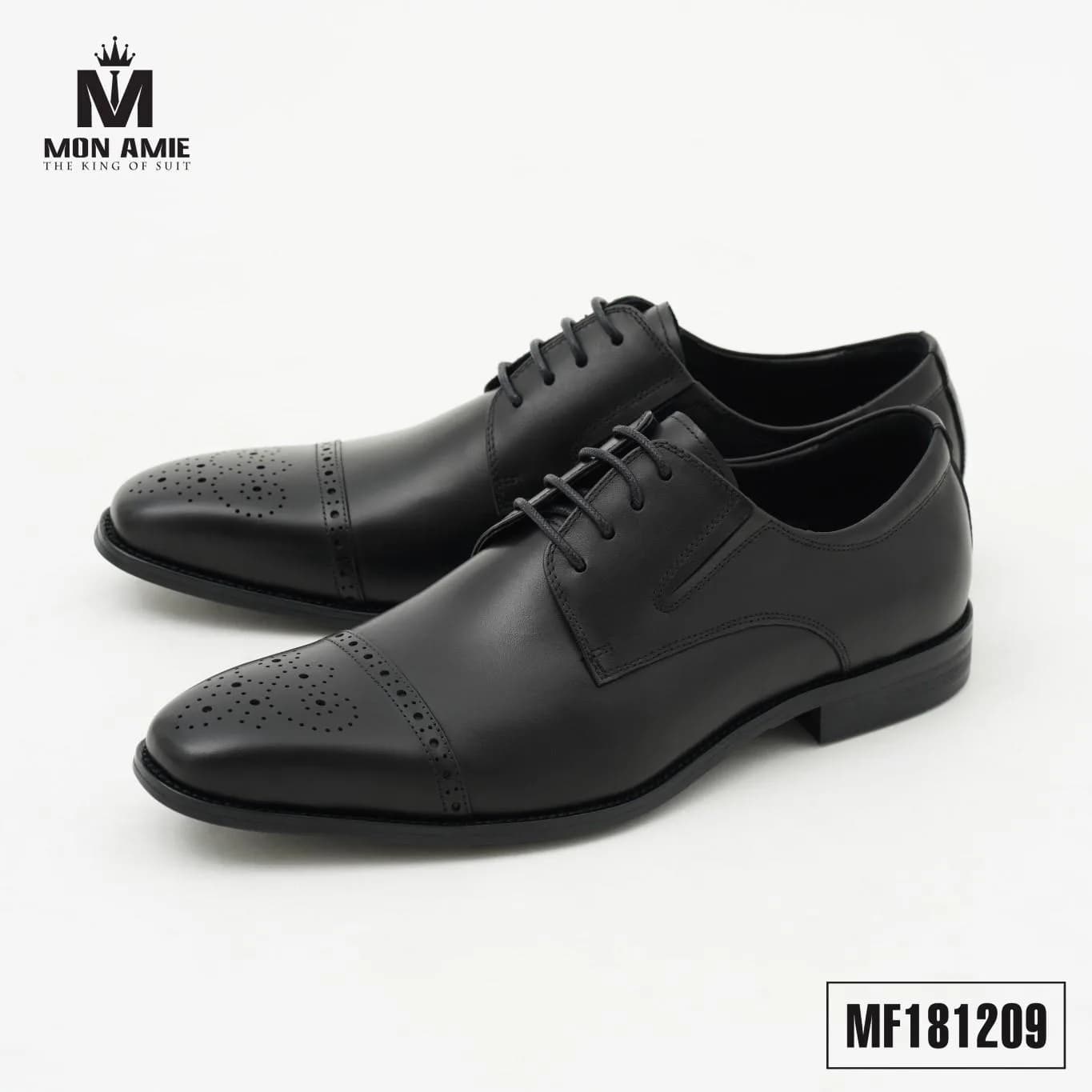
Opera pumps vs patent oxfords: which pair to choose
Opera pumps are the classic slip-on with a grosgrain bow; patent oxfords are the common lace-up. Formality, setting and a comparison table for a tuxedo.
Editor: Mon Amie · Published · about 3 min read
In this article
With a tuxedo you have two correct shoes: the opera pump, a classic low slip-on with a grosgrain bow, and the patent lace-up oxford, which is far more common and easier to wear. If you have never worn opera pumps, the patent oxford is the safe choice. If you want an unmistakably traditional evening look, the pump is worth trying.
Opera pumps: classic, slim and light
The opera pump is a laceless slip-on with a very low-cut vamp that shows much of the instep, a thin sole, and usually made of patent or calf leather. On the toe sits a small flat grosgrain bow. The shoe comes from nineteenth-century evening dress, worn with tailcoats and satin-braided trousers, so it carries a strong sense of ceremony.
Advantages: the most ceremonial of the evening shoes, light, elegant, and well matched with long silk socks. Drawbacks: it grips the foot only through its own fit, with no laces to adjust, so the heel can slip if it is not right; the thin sole tires the feet over a long evening; and the correct size is hard to find in many shops. It suits a slim foot with a moderate instep.
There is a separate article on this shoe: opera pumps.
Patent oxfords: common and easy to wear
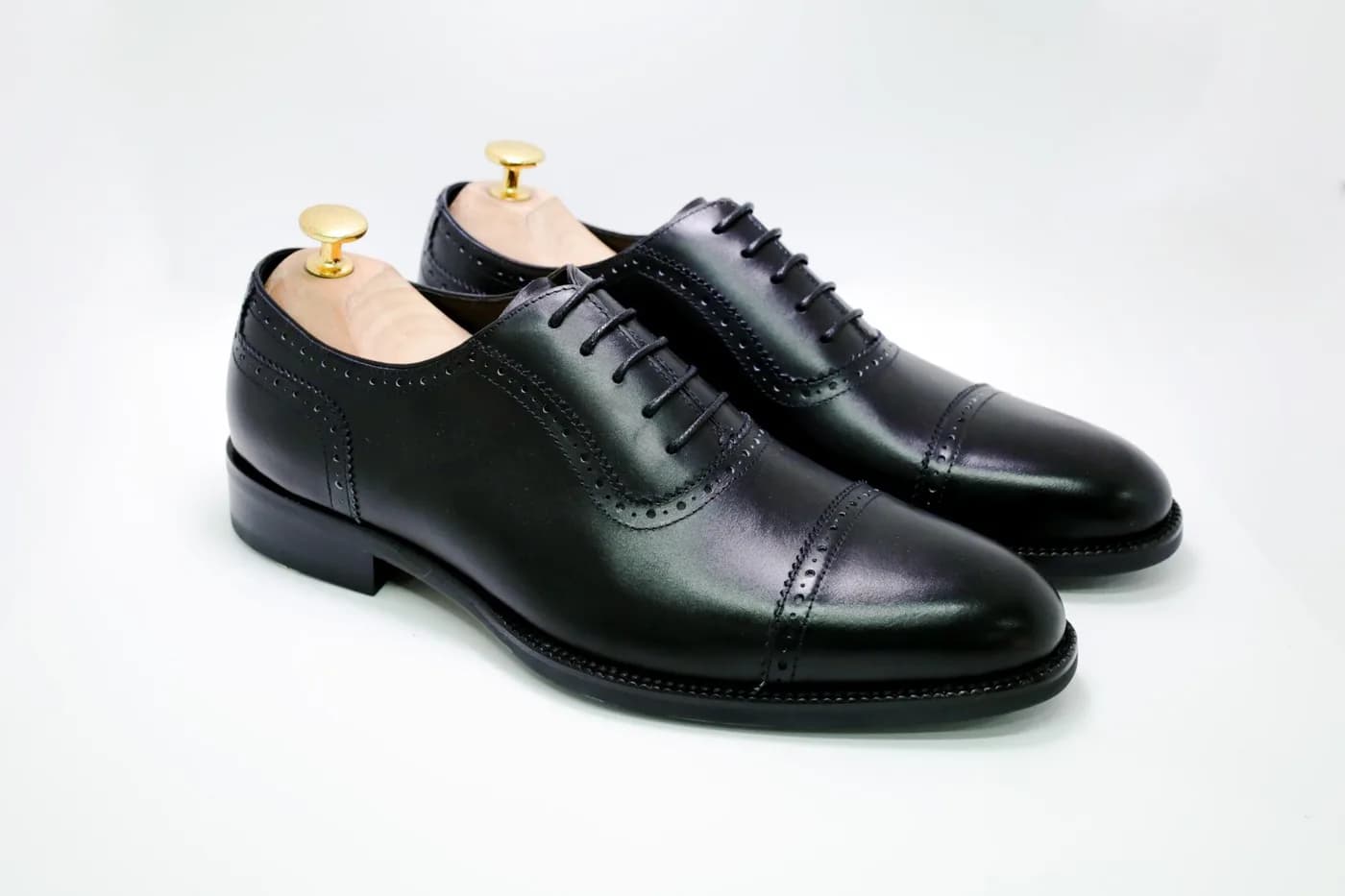
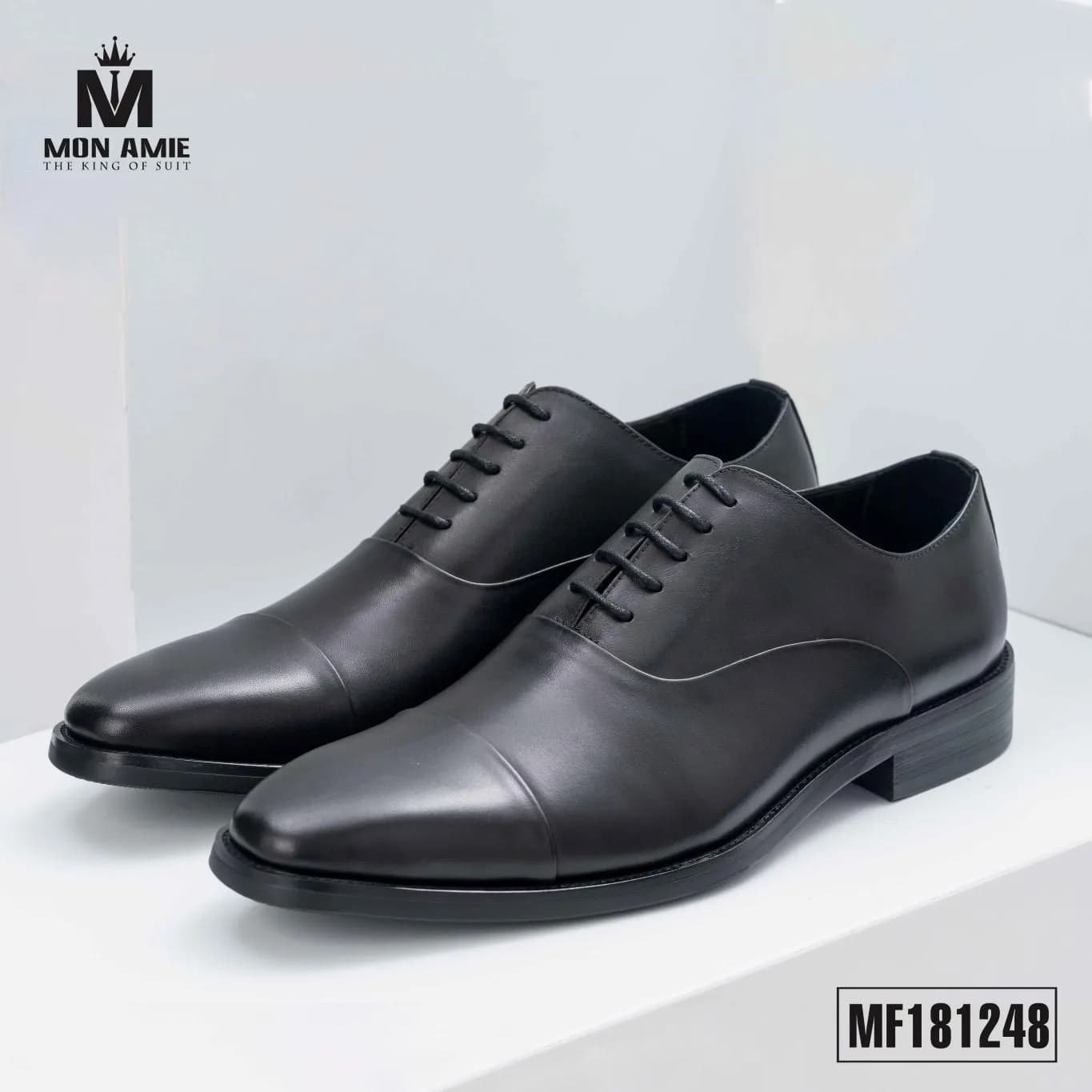
The patent oxford is a lace-up shoe with closed lacing (the lace panels stitched under the vamp), a plain toe, and is usually made of patent leather or polished calf. It is the familiar choice of many gentlemen at evening events.
Advantages: laces let you adjust the grip, so it is steady all night; it is easy to find and to care for, and it suits many foot shapes. It works with a tuxedo and with a dark suit, so you can wear it on many occasions. Drawbacks: slightly less ceremonial than the pump in absolute terms. Keep the oxford plain-toed, without perforations or a toe cap, to preserve the formal character. See also patent oxfords for a tuxedo.
Formality and setting
- Traditional black tie, diplomatic galas, award ceremonies: both are suitable. Opera pumps stand out where ceremony is valued.
- Evening weddings, corporate events, cocktail parties: a patent oxford is formal enough and more comfortable.
- Lots of standing and walking, or slippery floors: a laced oxford is steadier.
- Outdoor wedding photography, grass, rough stone: favour the oxford for stability and easy cleaning.
What matters is not that one shoe is higher or lower in rank, but that it is black, clean, polished and in keeping with the rest of the outfit. The full dress code is on the dress code page.
Comparison table
| Opera pump | Patent oxford | |
|---|---|---|
| Style | Laceless, low vamp, grosgrain bow | Closed-lace, plain toe |
| Usual material | Patent or calf | Patent or polished calf |
| Formality | Classic, highly ceremonial | Standard, usable on many occasions |
| Hold on the foot | Depends on fit | Adjusted with laces |
| Availability | Rare, hard to find | Common, easy to find |
| Long walks | Tiring | More comfortable |
| Pairs with | Long silk socks, a slightly shorter trouser | Thin black socks, trouser resting on the shoe |
A quick suggestion
If you wear black tie a few times a year and want one pair to last, the patent oxford is the practical choice. If you collect formal wear, love classic details and are used to laceless shoes, add a pair of opera pumps. Both need long black socks that reach over the calf, so no skin shows when you sit.
Try the shoes with your tuxedo
Shoes decide how the whole evening feels, so try them with trousers whose hem has been set. The consultant at the showroom will adjust the trouser length against the shoes you plan to wear. Book on the appointment page.
Published 09/11/2026 · 08:30 · Editor: Mon Amie