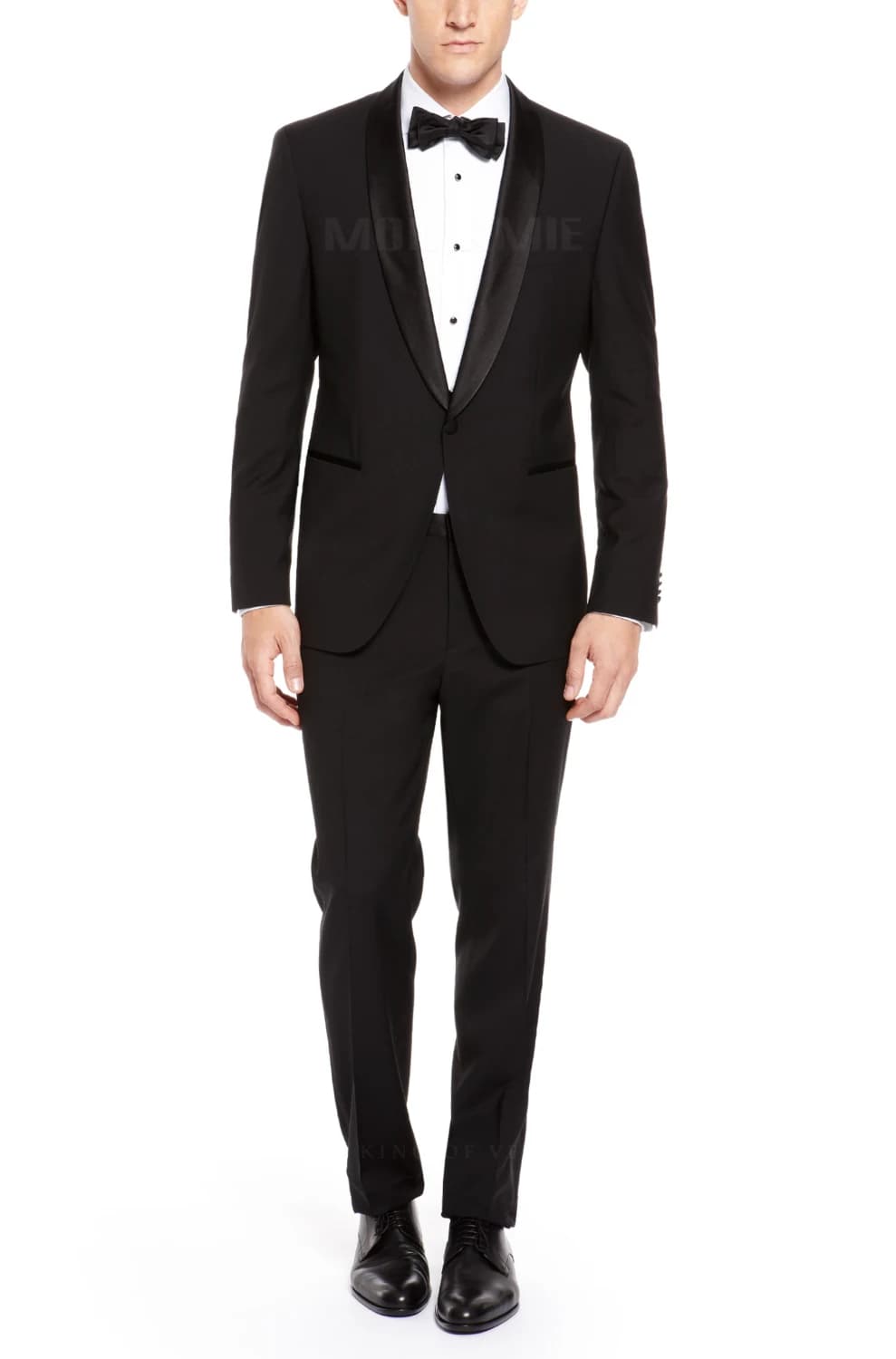
How to Make a Tuxedo Look More Expensive
A tuxedo looks costly through fit, a pressed finish, a clean pocket square, few genuine accessories and small tweaks to sleeves and hem. Tailor advice.
Editor: Mon Amie · Published · about 3 min read
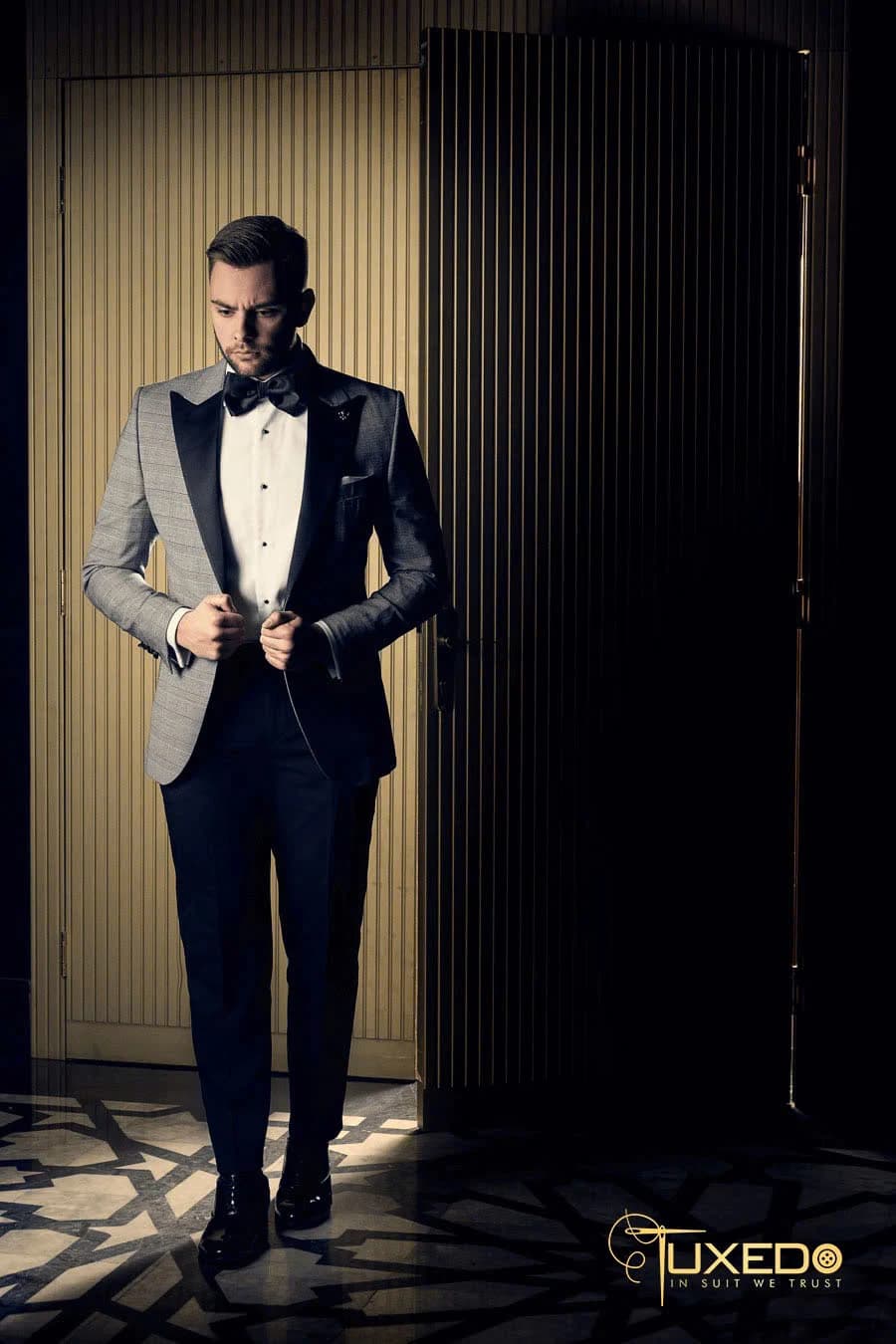
In this article
A tuxedo looks expensive not because the cloth costs more but because of four things: fit, a pressed finish, cleanliness and restraint. Three of those four add nothing to the price of the cloth. They only ask for attention in the right place, and sometimes a small alteration at the tailor's.
Fit comes first
Two men in the same suit, and the one who fits it always looks richer. People see the fit before they see the cloth. Check these places first:
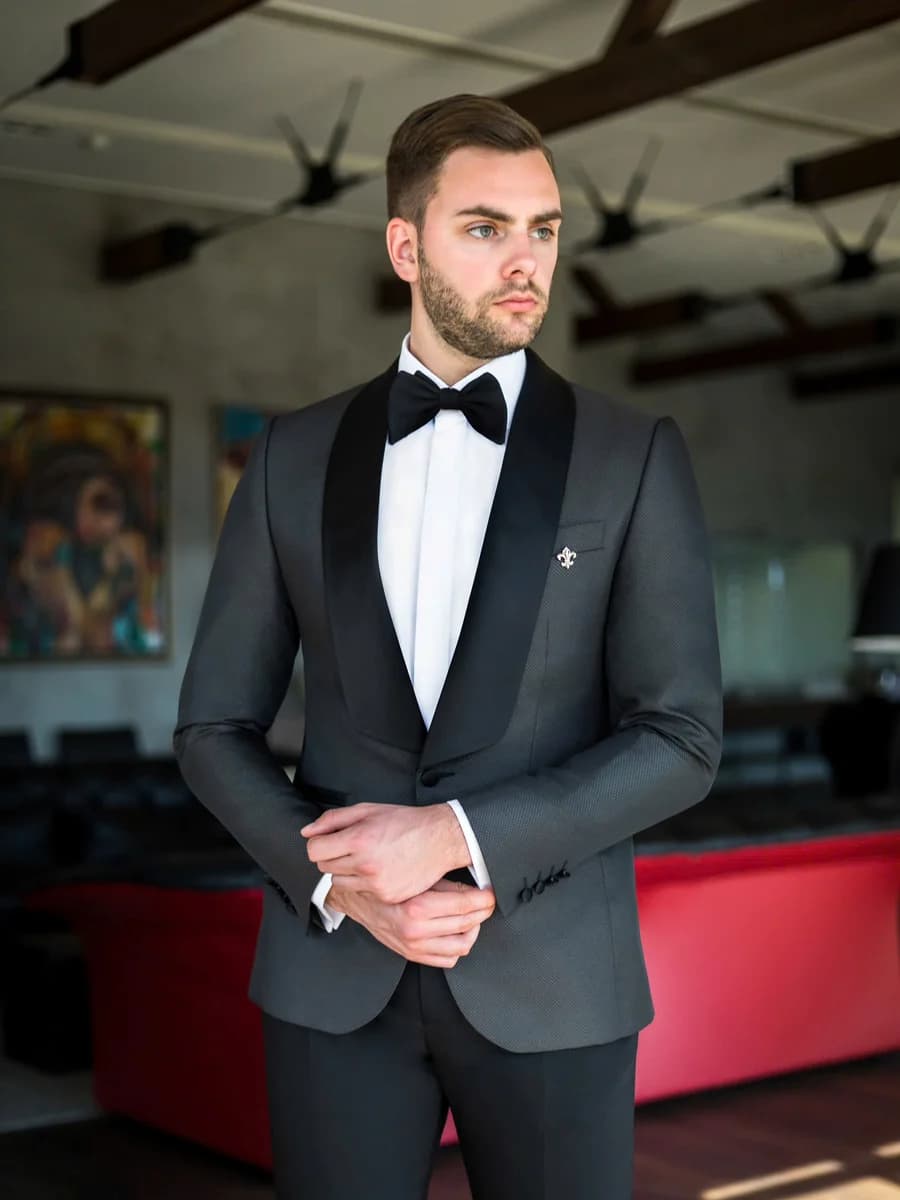
- Shoulder: the jacket shoulder ends exactly at your own shoulder point, neither jutting out nor caving in.
- Collar: the jacket collar hugs the shirt collar, with no gap when you stand straight.
- Body: when buttoned, no diagonal X-shaped drag lines; when open, no flare.
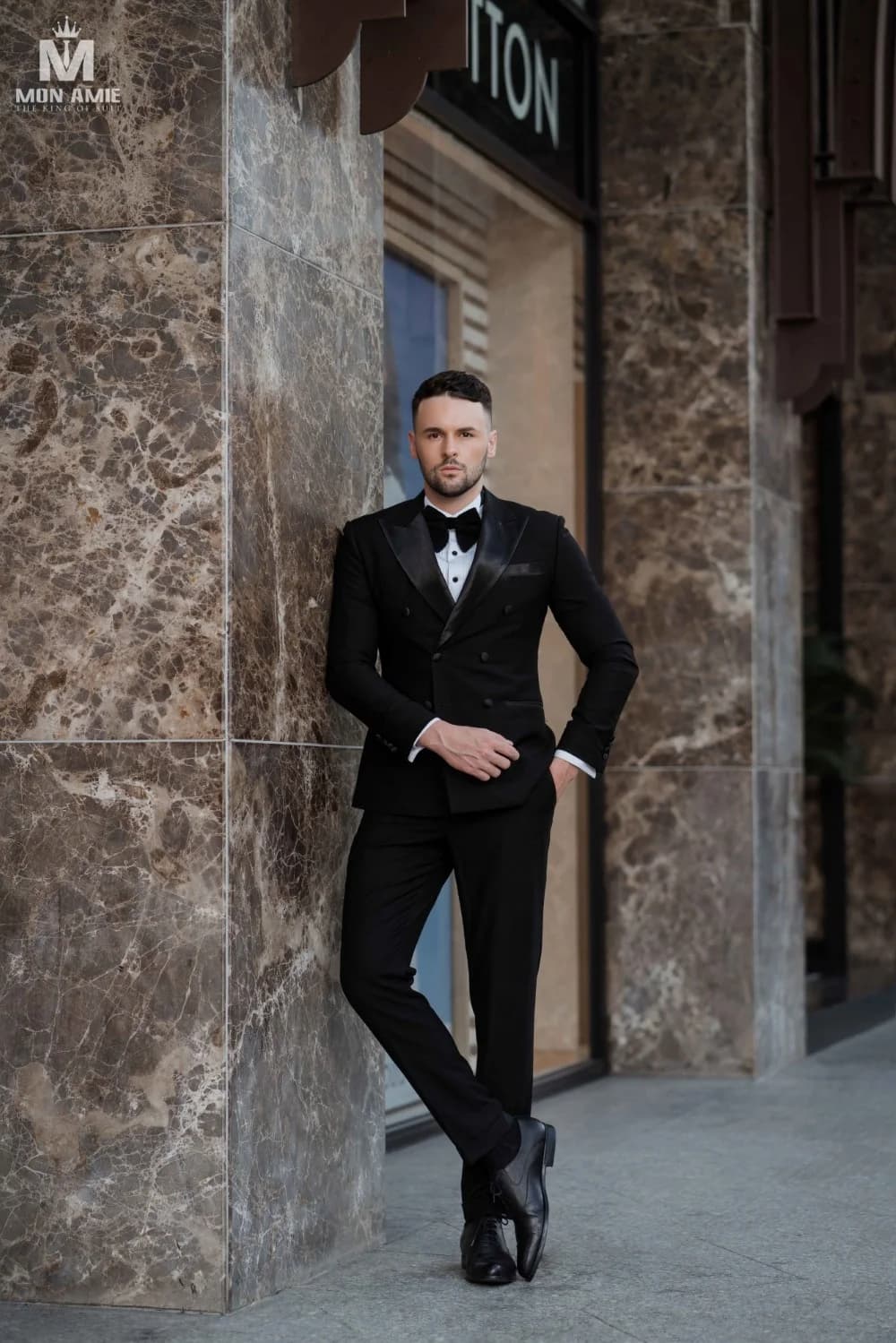
- Trousers: a clean drop from the hip, with no horizontal creases across the thigh or seat.
An ordinary cloth that fits will beat an expensive cloth that hangs loose. The piece fit matters more than the label goes into this further. If you are considering made-to-measure, this is its biggest advantage.
Press it flat, satin above all
Creases signal haste. With a tuxedo, watch three places:
- Satin lapels: they mark easily and turn glossy if a hot iron touches them directly. Steam them, or use a thin cloth.
- Trouser crease: sharp and straight from waistband to hem.
- Shirt: bib and cuffs smooth, since the white shirt is the first thing anyone sees.
The same goes for the pocket square. A white linen square folded straight, with its edge showing about a finger's height, feels more orderly than any pattern. A yellowed or crumpled one spoils the whole suit.
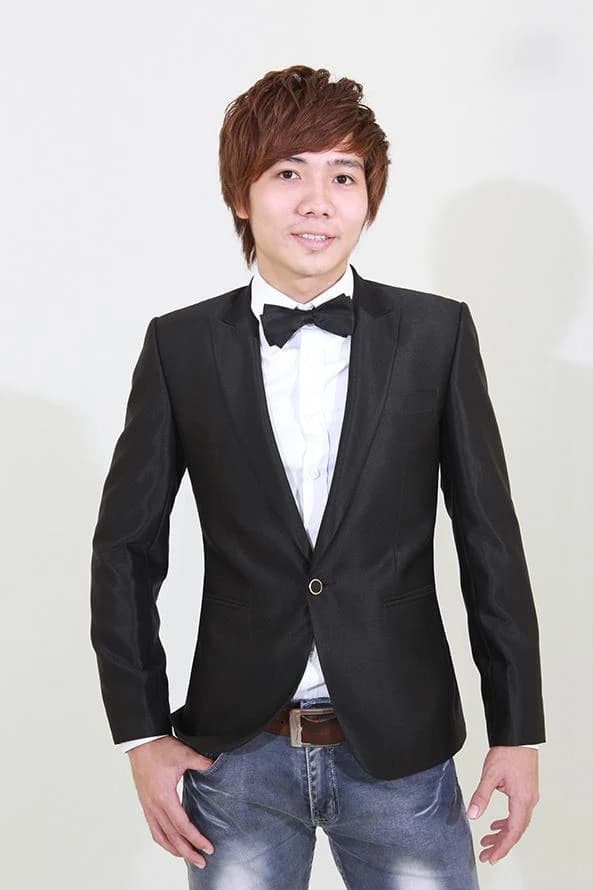
Few accessories, genuine ones
A tuxedo looks rich when you stop at the right moment. Each piece should be one you truly chose:
- Cufflinks in a single metal, simple in design.
- A slim-faced watch on a black leather or metal strap that fits the cufflinks. Leave the sports watch at home.
- A bow tie in real satin or grosgrain, hand tied.
- Clean patent shoes, clean soles, heels not worn on one side.
- Avoid wearing several rings, bracelets or pins at once.
Genuine means durable metal, real leather, woven silk or satin, rather than thin gold plating and mirror-shiny polyester. From across the room, nobody can tell. Up close, it is obvious.
Alter the small things
A few alterations cost little but change the feel noticeably:
- Sleeves: let about a centimetre to a centimetre and a half of shirt cuff show beyond the jacket sleeve. Too short or too long is spotted at once. See also how long tuxedo sleeves should be.
- Trouser hem: it should touch the shoe lightly with one small break. Too long and it stacks in folds; too short and it shows the sock.
- Jacket waist: if the coat flares at the waist, the tailor can take it in to clean up the torso.
- Buttons: a loose or crooked button should be re-sewn at once.
- Collar and shoulder: if the collar gaps, the tailor can adjust so that the jacket hugs the neck.
Many of these are also the signs of a carefully made suit, as the piece on signs of a well-made tuxedo lists.
Quick checklist
| What to look at | Looks cheap when | Looks costly when |
|---|---|---|
| Shoulder | Juts out or caves in | Meets the shoulder point |
| Sleeve | Hides the whole shirt cuff | Shows a centimetre or so |
| Trousers | Stacks at the hem | Touches the shoe, one light break |
| Satin lapel | Marked or scuffed | Flat and clean |
| Pocket square | Creased, yellowed | White, folded straight |
| Shoes | Scratched, dusty | Polished, clean |
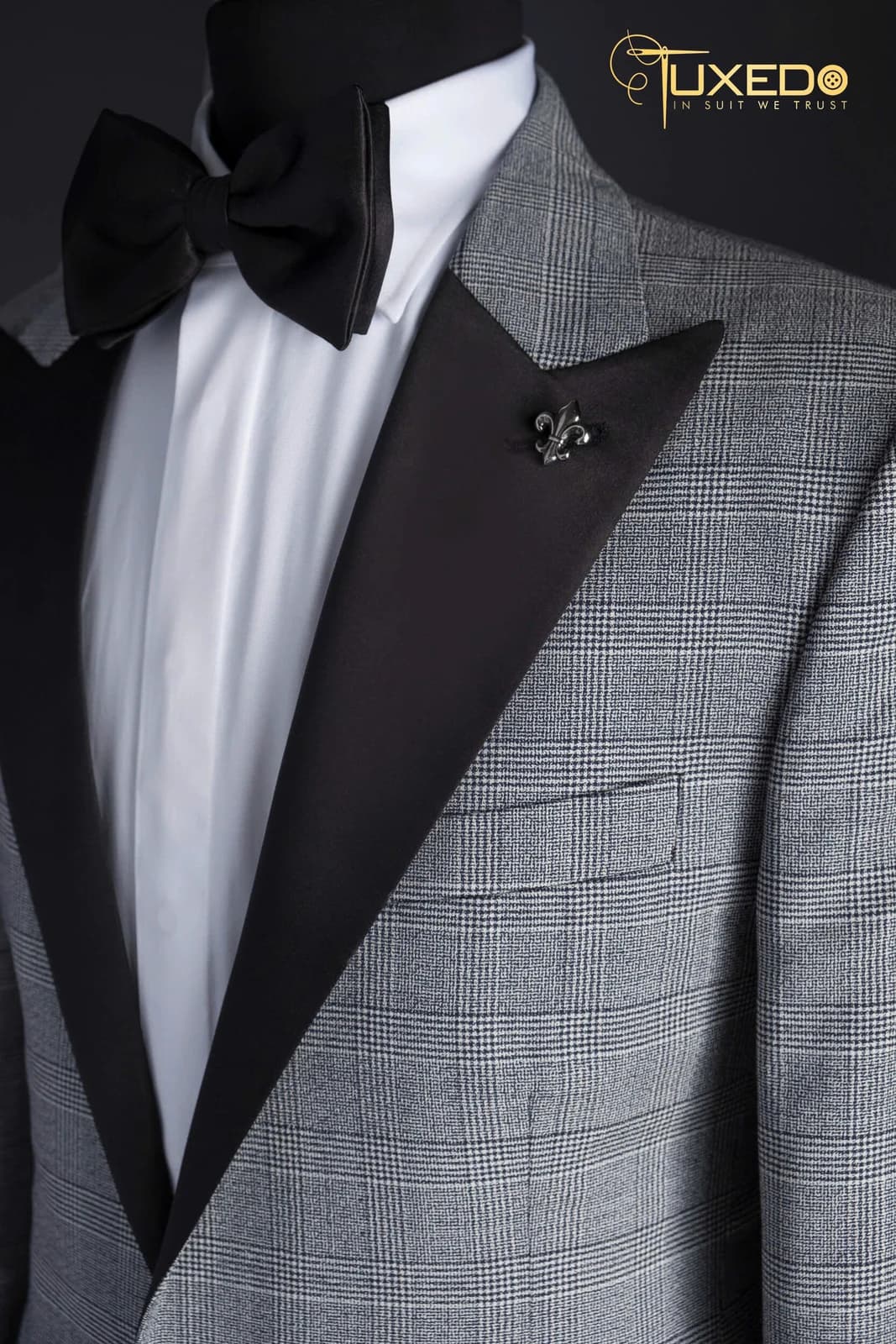
Book an alteration at Mon Amie
If your tuxedo still does not please you, you do not necessarily need another suit. Often a session on sleeves, hem and waist is enough. You can book a fitting at a showroom so the tailor can see it in person and show you which fixes matter most.
Published 23/11/2026 · 16:00 · Editor: Mon Amie