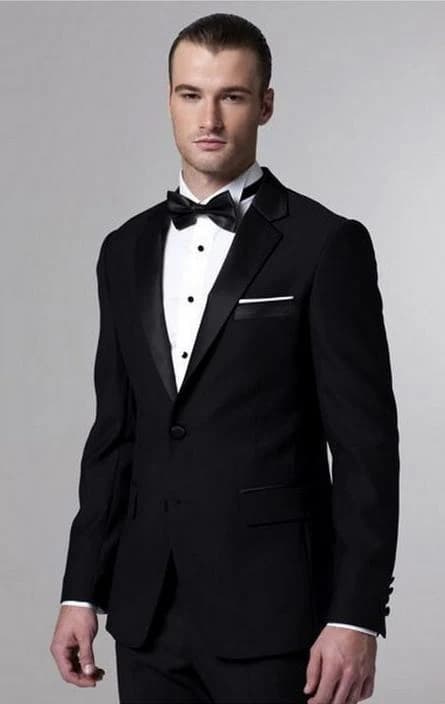
Types of lapel silk: duchesse, peau de soie and more
Duchesse is heavy and lustrous, peau de soie matte and smooth, silk satin all-round. How each lapel silk behaves and how to choose by taste and lighting.
Editor: Mon Amie · Published · about 3 min read
In this article
A tuxedo lapel does not come in just one kind of satin. Three names you will meet often in cloth books are duchesse, peau de soie and ordinary silk satin. Duchesse is heavy, glossy and full of body. Peau de soie is matte, smooth and subdued. Plain silk satin sits between, soft and easy to use. The pick depends on your taste and the light you stand in.
Why the facing matters
The facing, the cloth covering the lapel, is the first detail that separates a tuxedo from an ordinary suit. A band of silk contrasts with the wool of the body and catches light as you move. The same material repeats on the bow tie, the covered buttons and the trouser braid, so the silk you choose stamps the whole suit. If you are torn between smooth, glossy silk and ribbed silk, read satin or grosgrain lapels.
Duchesse: heavy and glossy
Duchesse is a heavy silk satin, closely woven, with a clearly glossy face and a degree of stiffness. Because it has body, it holds a lapel edge sharply and rarely dents after wear. Its sheen is deep and bright without looking cheap, and it comes alive under stage lighting.
On the other hand, its weight and stiffness make it heavier in the hand, and it costs more. On a slim lapel or a light-bodied jacket it can feel heavy-handed. It suits structured jackets, medium peak lapels and formal evening events.

Peau de soie: matte and smooth
The French name means "skin of silk". True to its name, peau de soie has a matte, smooth, slightly skin-like surface with a soft glow rather than a flash; the reverse often shows a very fine rib. It is still weighty enough to hold shape, but it catches light more quietly than duchesse.
Peau de soie suits the man who prefers restraint: a matte facing on black wool gives refined contrast without shouting. Under the warm lights of a banquet hall it looks elegant and draws less attention than a glossy silk. Being soft and subdued, it also photographs well with little glare.
Plain silk satin
This is the most common satin on both ready-made and bespoke tuxedos: silk woven in satin weave, an even gloss, thinner and softer than duchesse. It drapes naturally, rolls easily into a curved lapel such as a shawl, and is more moderately priced. Its bright, classic sheen is instantly recognised as tuxedo facing.
With this type, check the actual material. Satin can be woven from silk or from polyester, giving different sheen and durability; the difference is explained in silk satin versus polyester satin. Ask for the composition when choosing.
| Type | Surface | Weight | Suits |
|---|---|---|---|
| Duchesse | Deep gloss | Heavy, full body | Peak lapel, structured cut, stage events |
| Peau de soie | Matte, smooth | Medium to heavy | Restrained taste, warm lighting |
| Silk satin | Even gloss | Light to medium | Shawl lapel, all-round use |
Choosing by taste
Think in three questions:
- Do you want the suit to stand out or stay quiet? To stand out, choose duchesse or a bright satin. To stay quiet, choose peau de soie.
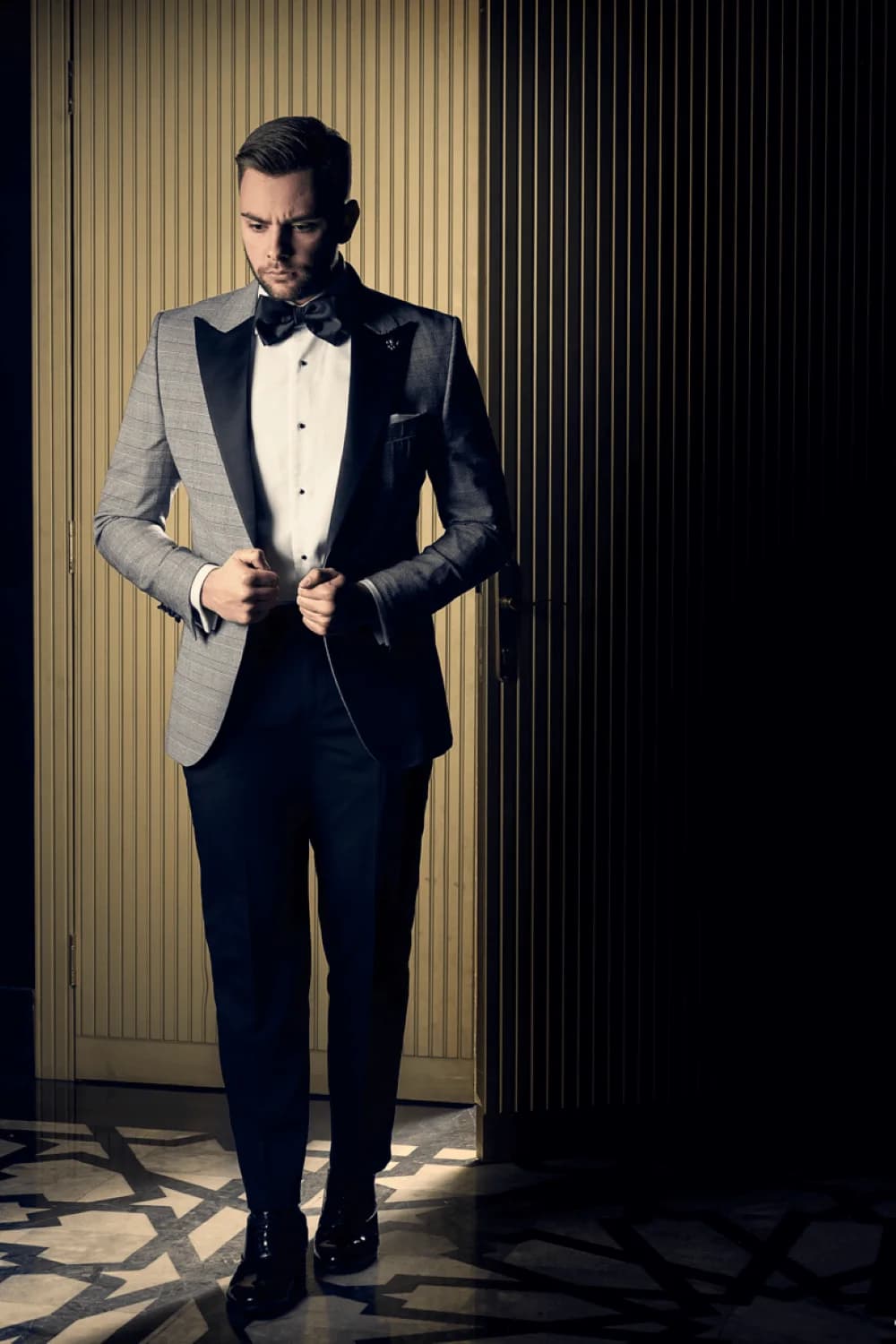
- What lapel shape? A peak lapel needs silk with body to keep its sharp edge. A rolled shawl lapel suits softer silk that curves well.
- What light will you be in? Strong lights and lots of photographs: matte silk is easier to control than very glossy. Soft golden light in a restaurant: glossy silk still looks fine.
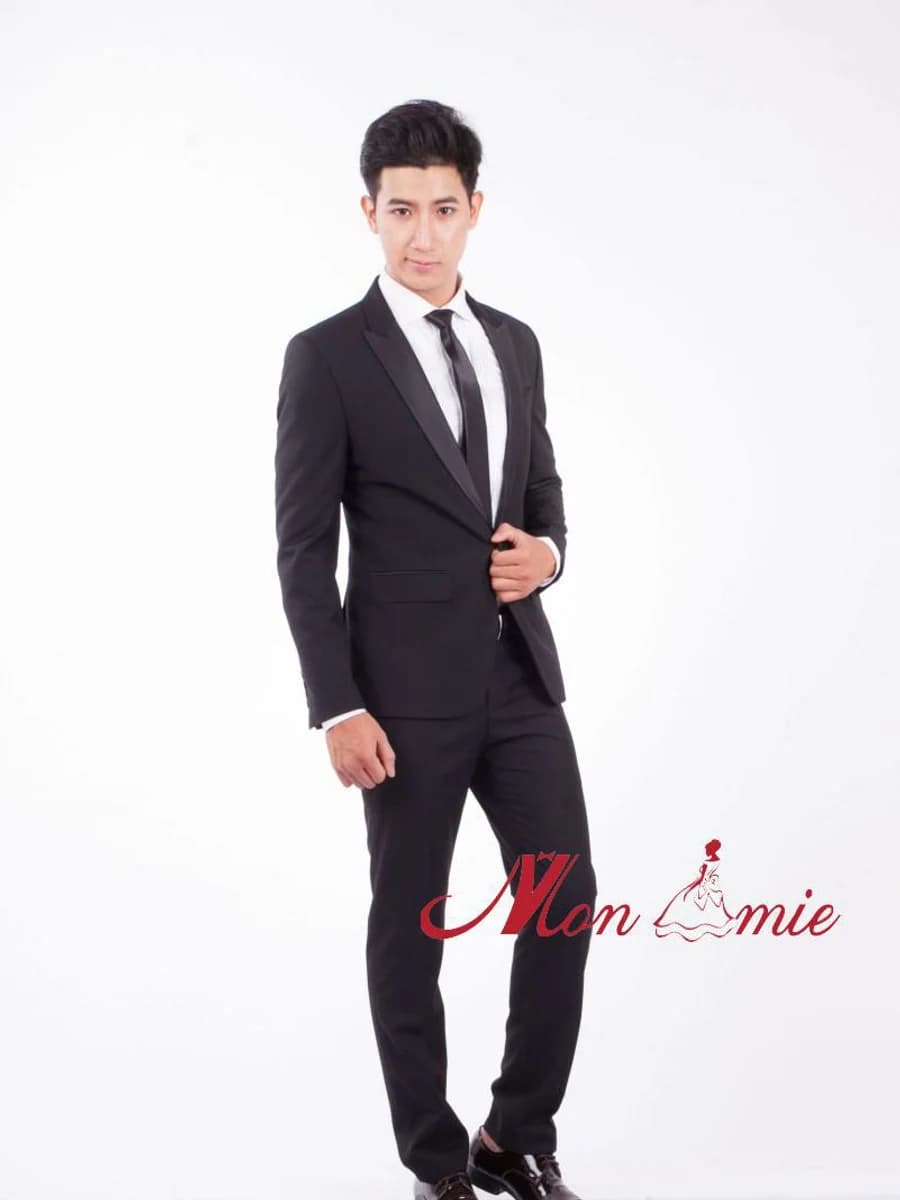
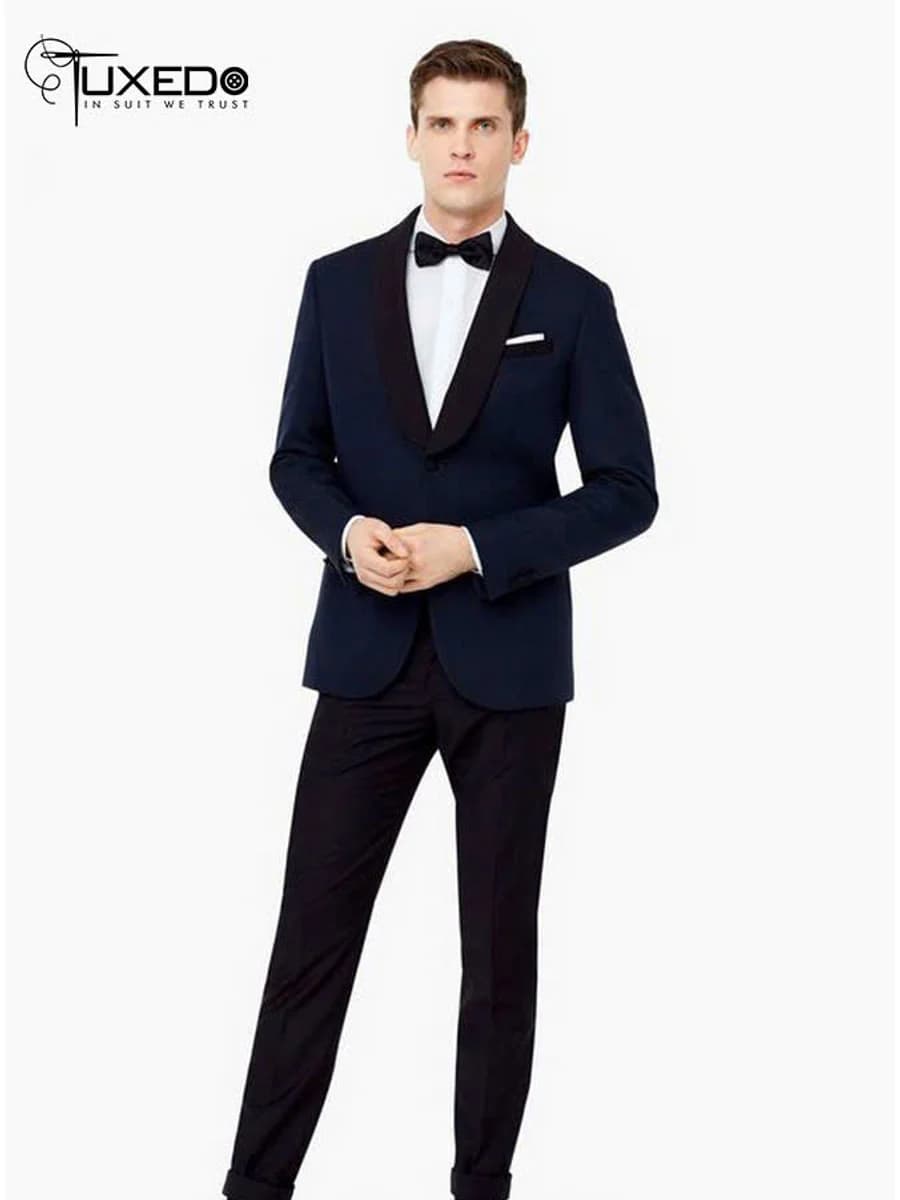
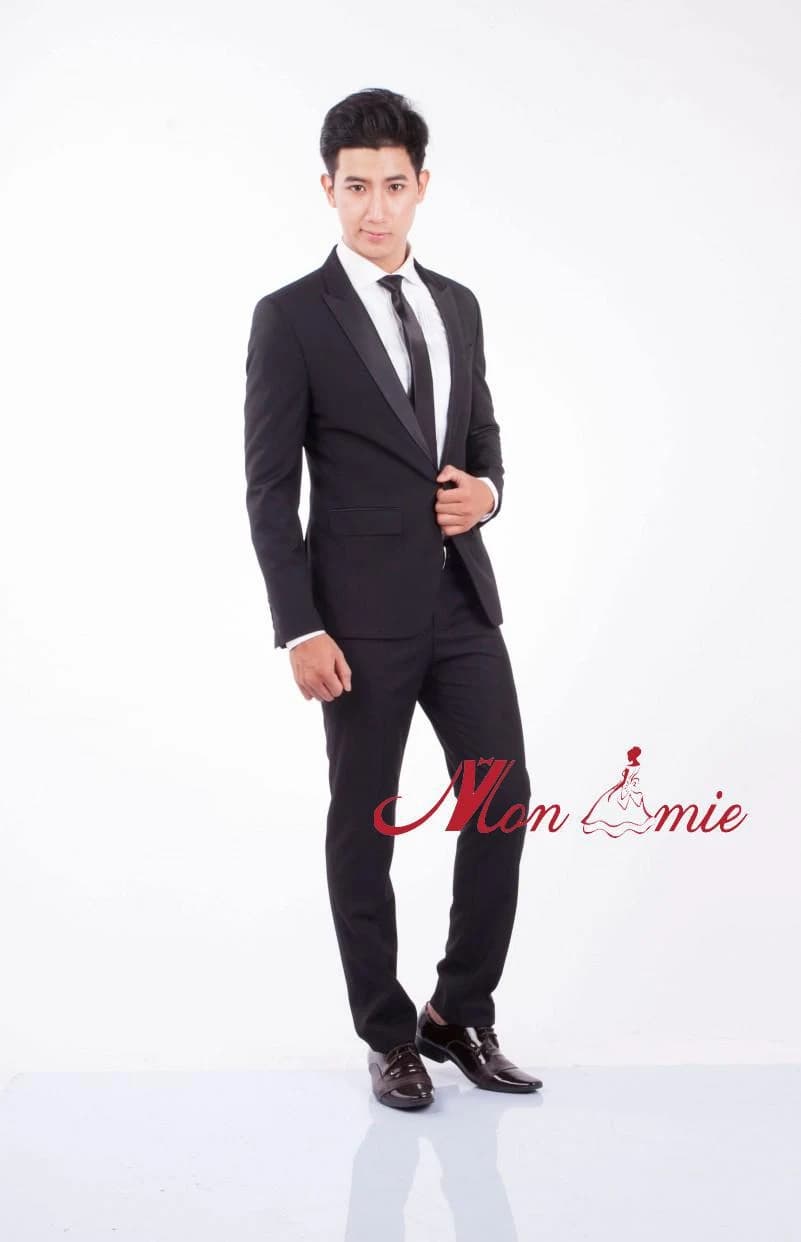
Two models help to picture this. TUX-080 is a black tuxedo with black satin peak lapels, an ideal base for silk with body. TUX-043 is a navy tuxedo with black satin shawl lapels, where a softer satin follows the curve easily.
Remember also that names can differ slightly between workshops and suppliers. The surest method is to hold the swatch, look at it under light, and check it against the name on the order.
Advice from the Mon Amie workshop
Compare three silks side by side, laid on the body cloth of the suit you intend to make, since one satin looks very different against different wools. The consultant will help you choose the type that fits your lapel and occasion. You can book a fitting at a showroom and see the silk samples in person.
Published 14/11/2026 · 20:30 · Editor: Mon Amie