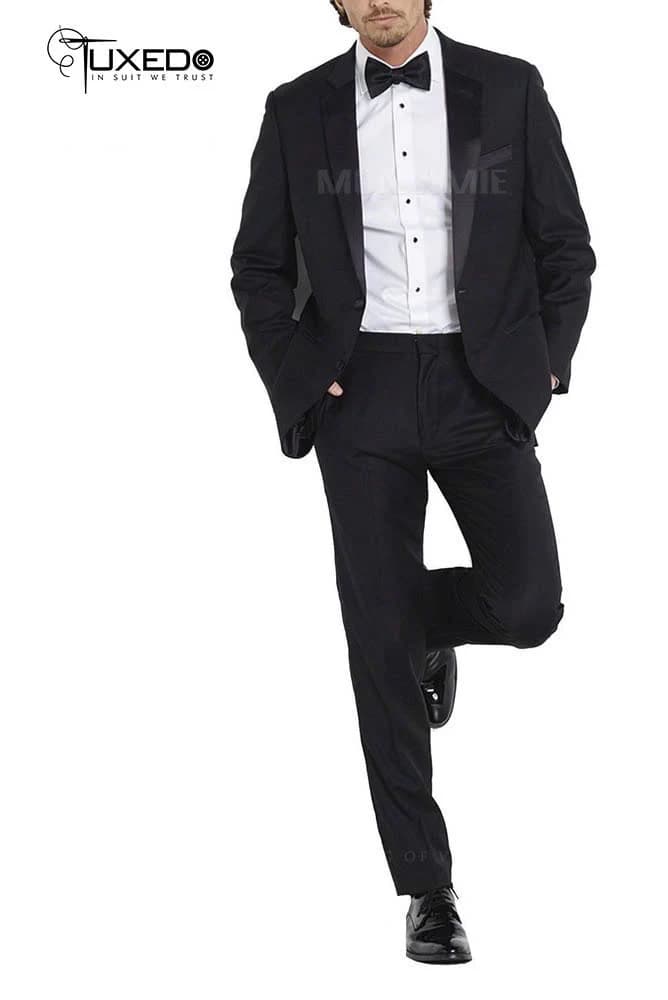
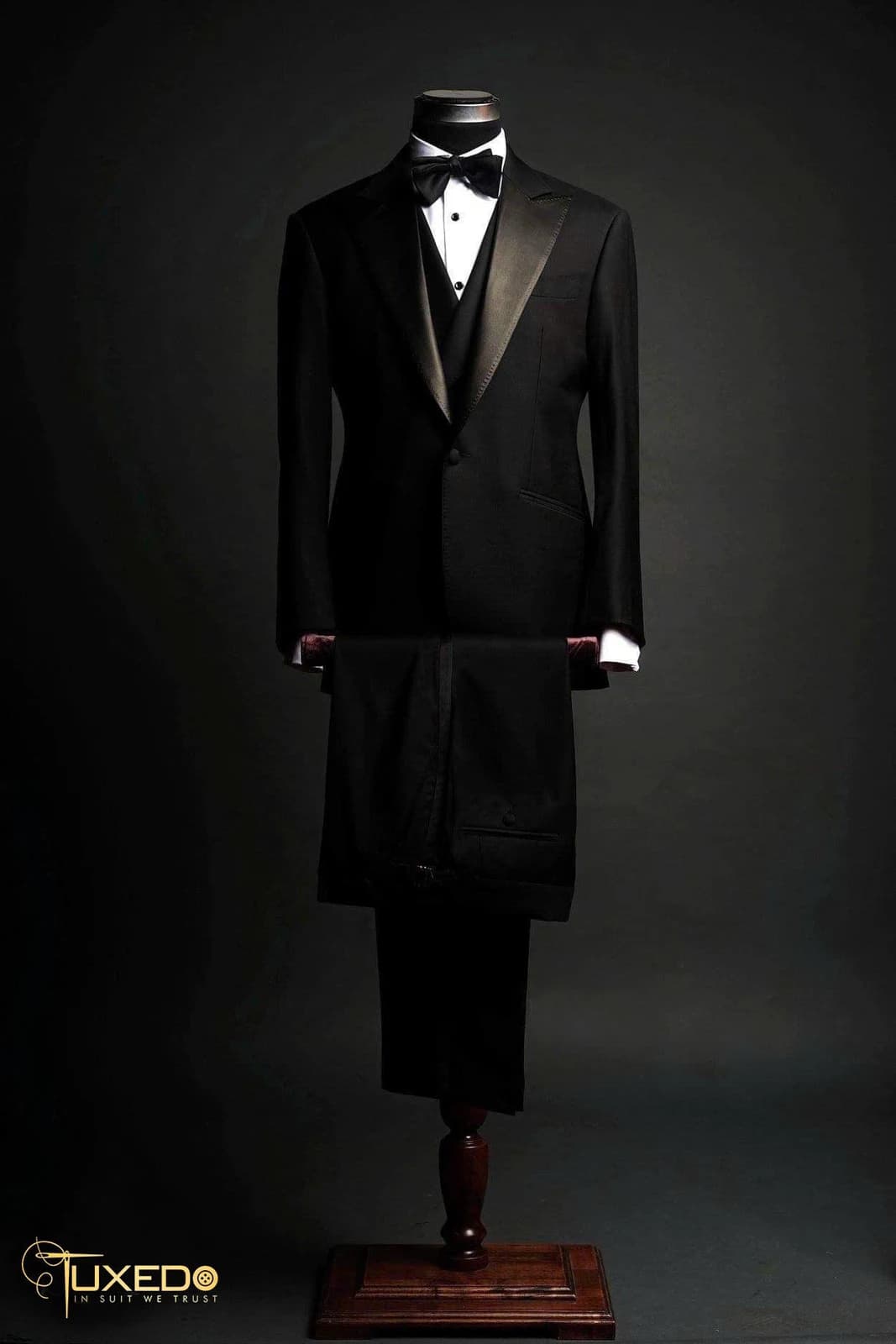
English, Italian and American tuxedo cuts compared
Three tailoring schools for the tuxedo: English structure, Italian softness and wide lapels, American ease. How to choose by body shape and personal taste.
Editor: Mon Amie · Published · about 3 min read
In this article
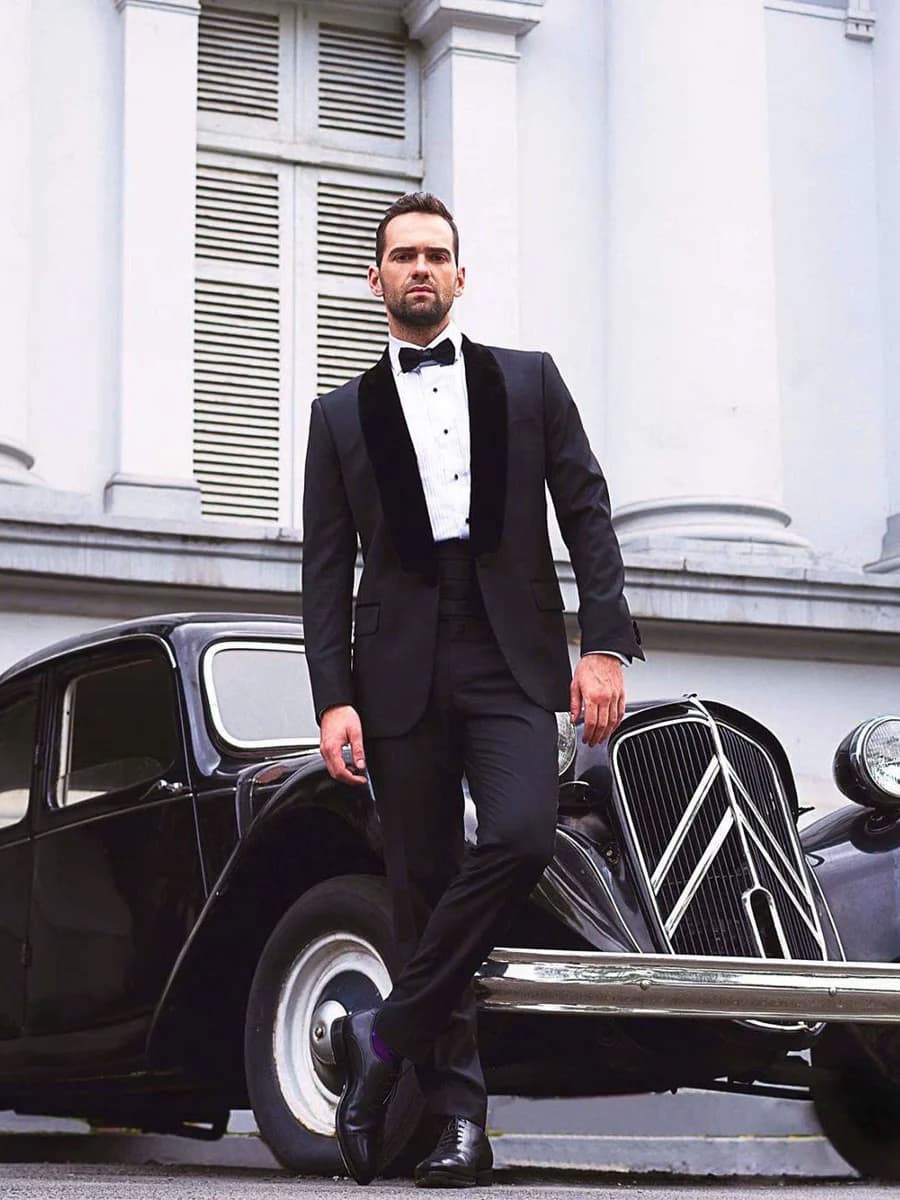
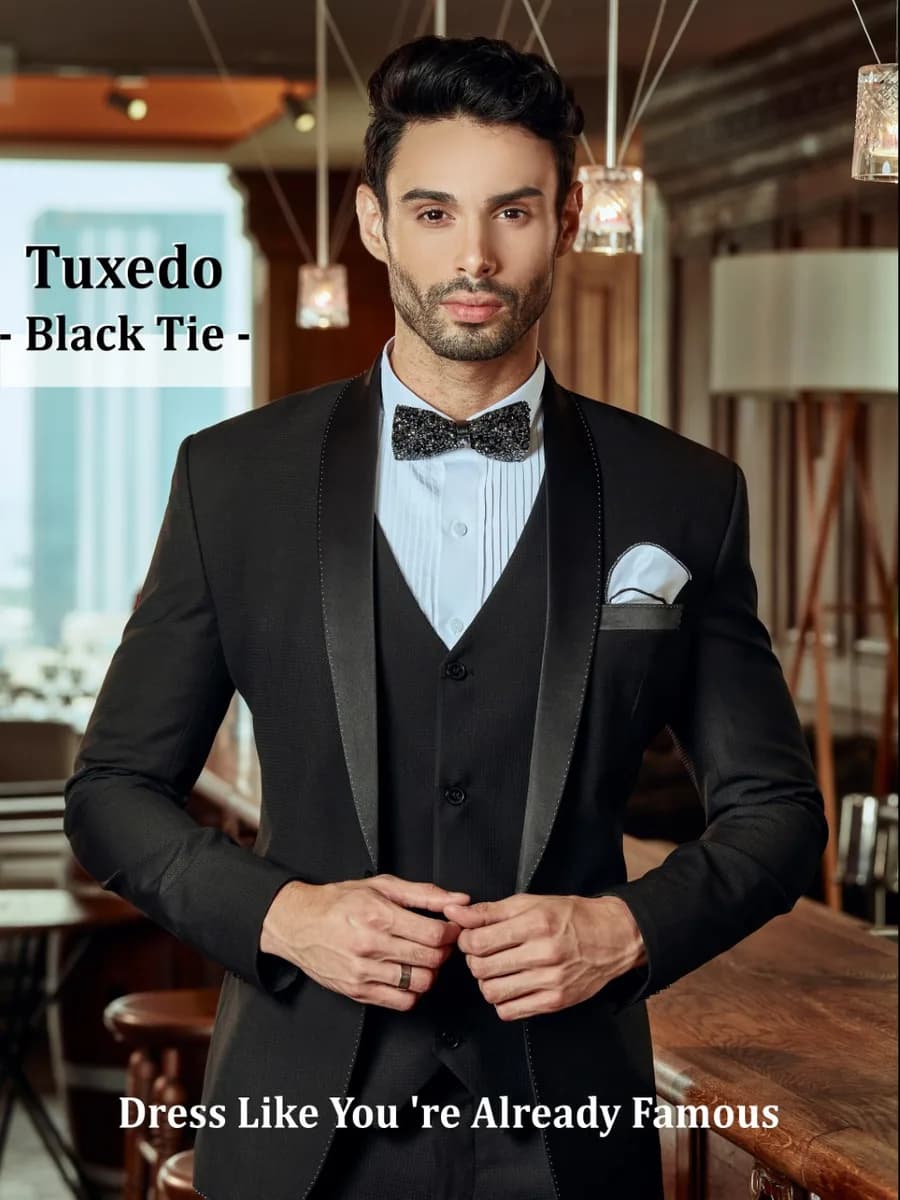
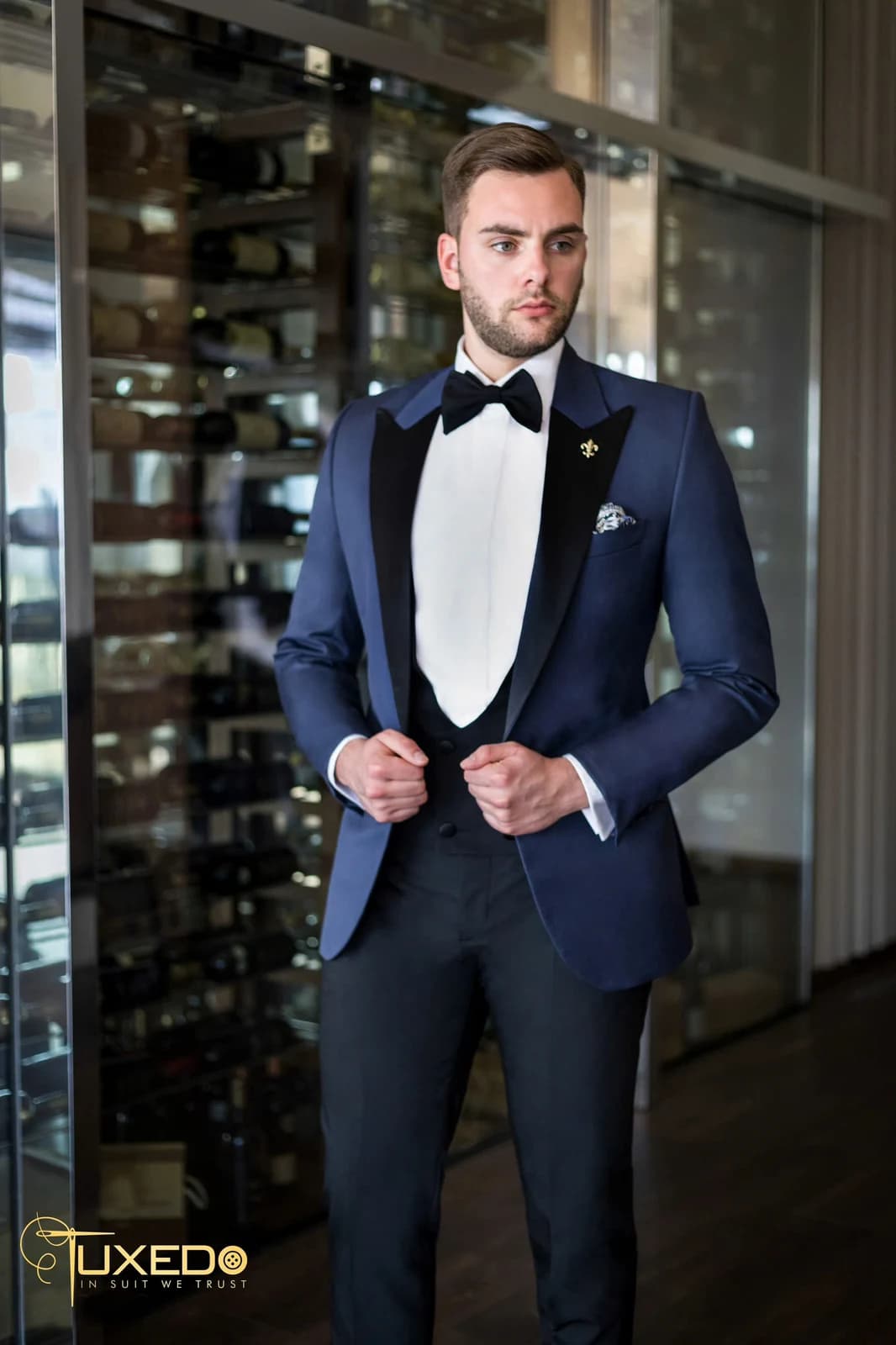
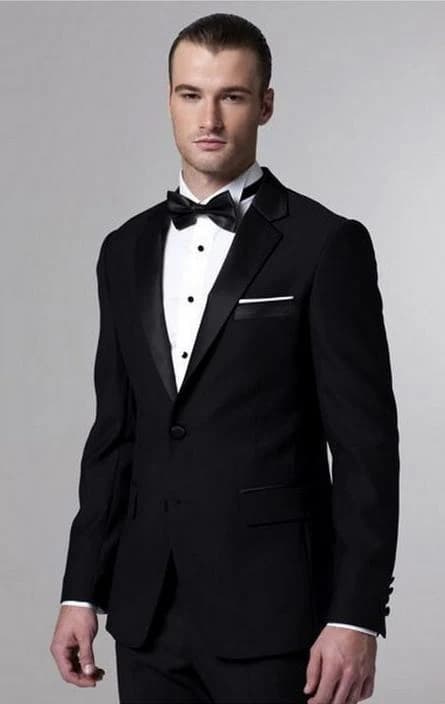
The three schools differ first in how the shoulder is built and how the waist is handled. English tailoring builds the shoulder, suppresses the waist and runs the jacket a little longer. Italian tailoring softens the shoulder, lightens the cloth and often opens the lapel. American tailoring cuts straighter, with less shaping and more ease. These are broad conventions rather than rules, and any good tailor blends them to suit the client. Knowing the three simply helps you say what you want.
The English cut: built shoulder, shaped waist, longer jacket
The English model grows out of London bespoke, the home of the dinner jacket. The shoulder is built up with padding and canvas, the shoulder line runs straight and the sleeve head sits slightly proud, giving a full chest and a squared outline. The body is suppressed at the waist and the skirt drops to cover most of the seat.
On a tuxedo this reads as disciplined and exact, which suits the most formal evenings and men with a tall or balanced frame. The trade-off is a stiffer, heavier jacket, particularly noticeable in warm weather.
The Italian cut: soft shoulder, light construction, wider lapel
Italian tailoring, Neapolitan work in particular, strips out most of the shoulder padding. The shoulder follows the wearer's own, and the sleeve is set with a little fullness at the head, the detail tailors call a shirt shoulder. The canvas is thin and the lining minimal, so the jacket is light and moves naturally.
Lapels in this tradition tend to run medium to wide with an open chest. On a tuxedo, a satin shawl or peak lapel sits very well. The price of softness is that it needs good cloth and a steady hand; thin fabric or careless work will crease and lose its shape quickly.
The American cut: straighter and easier
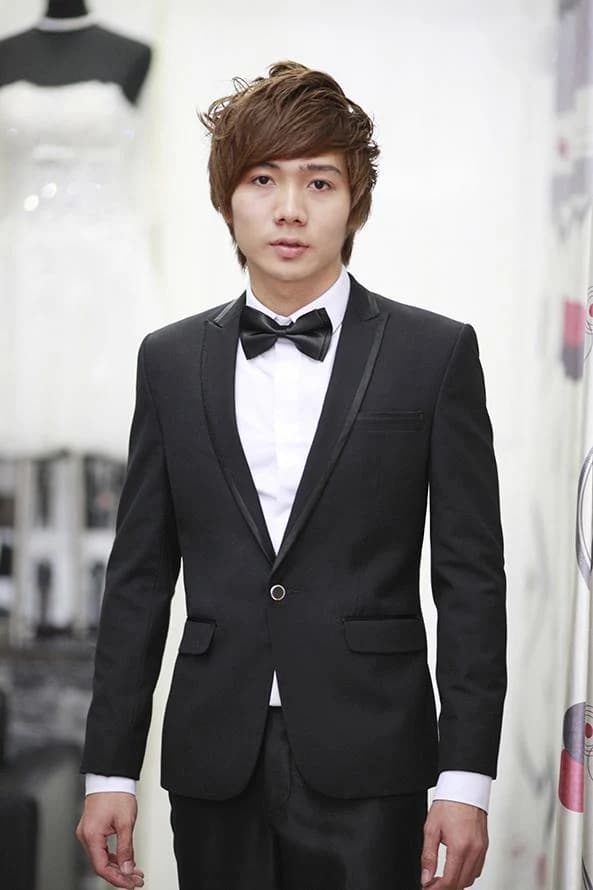
The American tradition developed from the sack coat: natural shoulder, a nearly straight body, little waist suppression. The jacket never clings, so it is comfortable when you are seated for a long dinner, shaking hands, dancing or posing for photographs. American tailors also did much to popularise the word tuxedo from the late nineteenth century.
The weakness is that a straight cut without care for the pattern can look loose and lose the sense of occasion. A tuxedo is a ceremonial garment, so even in a relaxed cut it is worth keeping a modest waistline.
Side by side
| Feature | English | Italian | American |
|---|---|---|---|
| Shoulder | Built, padded, square | Soft, little padding | Natural |
| Waist | Clearly shaped | Lightly shaped | Almost straight |
| Jacket length | Slightly longer | Compact | Medium |
| Lapel | Medium, balanced | Often wide | Medium |
| Feel | Disciplined | Light, easy | Comfortable |
Choosing by body shape and taste
A man with sloping shoulders or a flat chest can take the English route; the structure corrects the proportion. Broad shoulders and a full chest usually look better in the Italian soft shoulder, which avoids adding bulk. If you carry a little weight at the waist or sit for long periods, the American cut is forgiving, and a tailor can shape the waist slightly so the jacket stays clean. If you are torn between a slim and a classic fit, read slim or classic tuxedo fit.
On taste: if you want the traditional black tie image, start from the English cut. If you like a lighter line or dress in a warm climate, consider the Italian. If comfort outranks outline, the American cut is easy to live with.
What matters more than the label is whether the shoulder fits, the front lies flat and the sleeve is the right length. A well-fitted made-to-measure jacket in any of the three beats an off-the-peg one that sits off the shoulder. For more on choosing, see what to consider when choosing a tuxedo.
What to tell the tailor
You do not need to know the school names. Describe what you feel: a firmer or softer shoulder, a closer or easier body, a wider or moderate lapel. The tailor will read your posture, take your measurements and propose a pattern. The steps are set out on the made-to-measure tuxedo page.
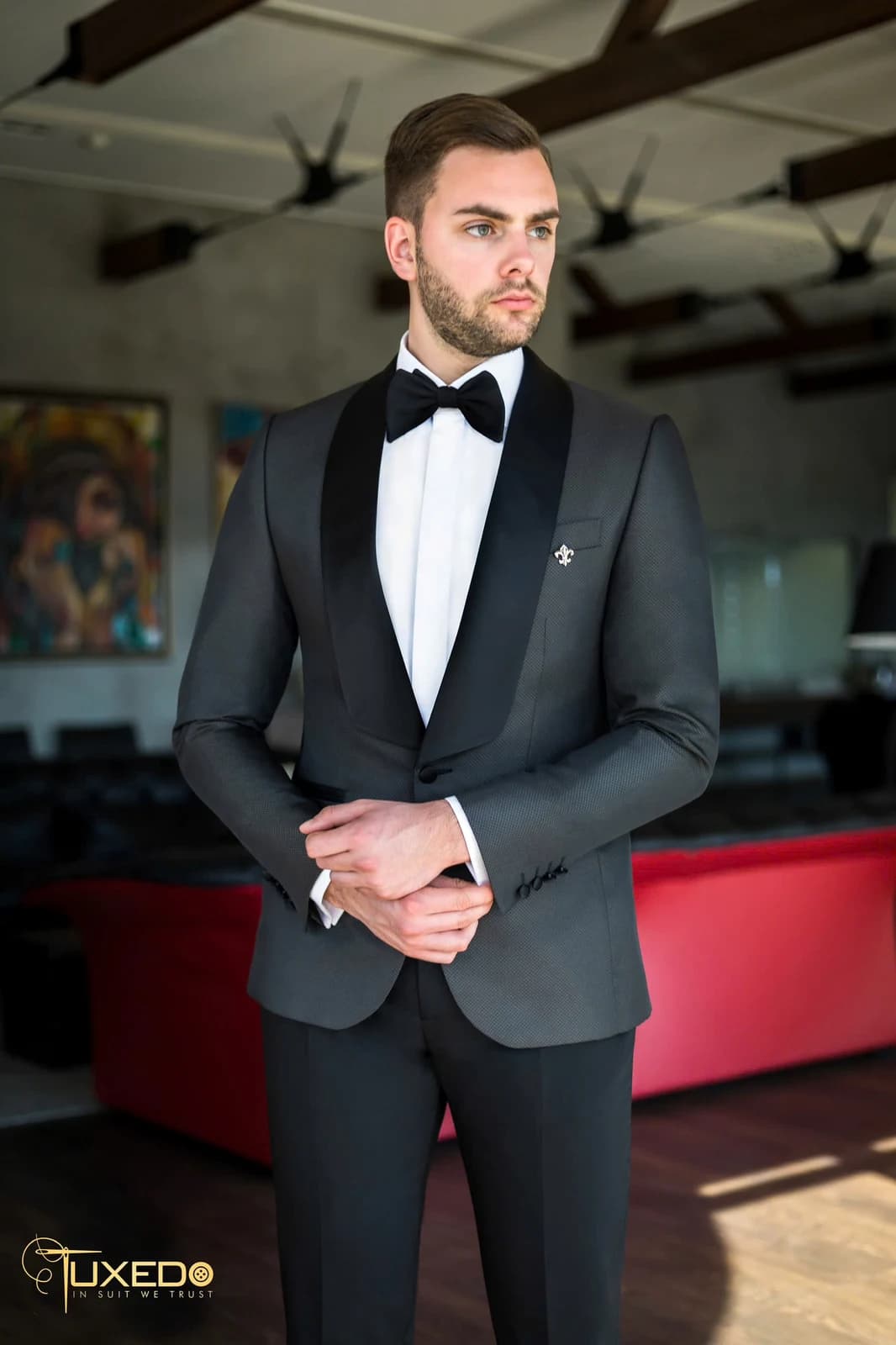
Try the cuts at Mon Amie
At the Mon Amie workroom you can try sample jackets in several cuts and feel the difference on your own frame, after which the tailor adjusts the pattern to your shape. Book a fitting at a showroom to talk it through with the cutter.
Published 23/11/2026 · 14:30 · Editor: Mon Amie