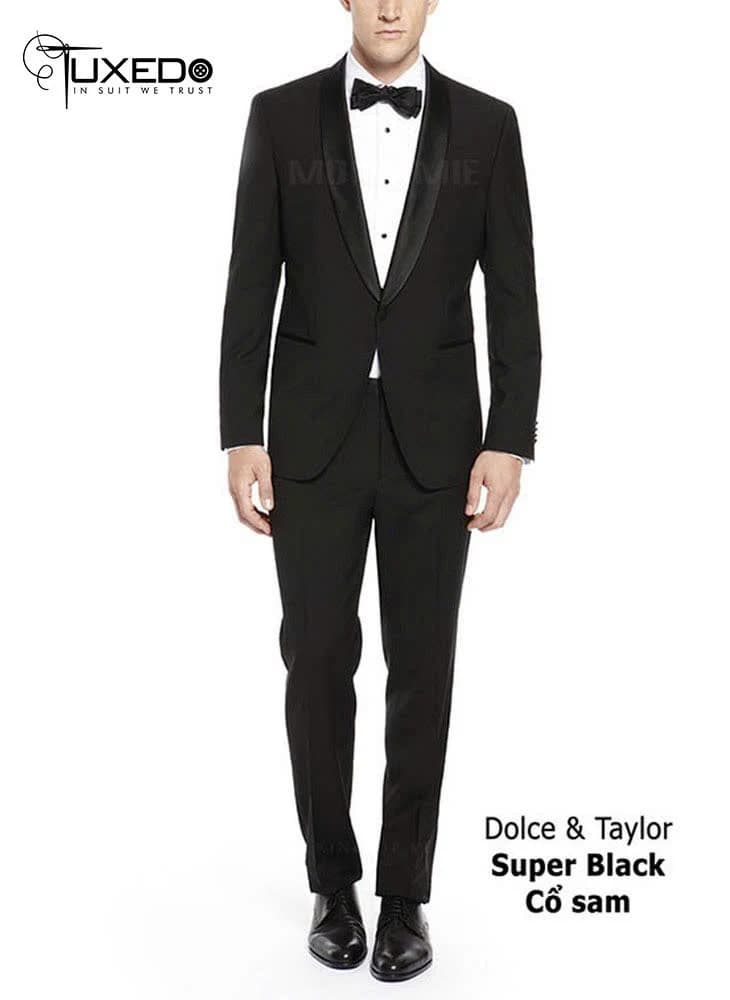
Jetted Pockets on a Tuxedo: Why There Are No Flaps
Jetted pockets keep the tuxedo line clean and formal. Satin or self-cloth trim, when to tuck in a flap, and why patch pockets do not suit formal wear.
Editor: Mon Amie · Published · about 4 min read
In this article
A tuxedo uses jetted pockets because this style is a thin, flat slit in the cloth with no flap or patch standing out from the body. The jacket keeps a continuous, sharp line, which suits evening dress. It is a small detail that decides whether a jacket reads as formal wear or as an ordinary suit coat.
What a jetted pocket is
A jetted pocket is made by cutting a horizontal slit in the body of the jacket and binding both edges with narrow strips of cloth, called jets. There is no flap and no cloth sewn on the outside. Inside there is a pocket bag like any other jacket. From the front you see only two thin lines of trim lying close together, usually a centimetre or two wide.
You may also hear "double-welt" for the version with two parallel strips and "single-welt" for one strip. On a tuxedo both appear, but what matters is the flat surface.
Why jetted pockets keep the line clean and formal
Evening wear needs as few raised details as possible. A flap pocket adds a wide horizontal band across the hip, making the jacket look more businesslike or sporty. A patch pocket stands right off the body.
A jetted pocket does the opposite.
- It lies flat with the jacket. The line of the cloth is not interrupted.
- It keeps the hip neat. No flap adds a band at the waist, which helps men with a fuller hip.
- It pairs with satin lapels. Satin trim at the pockets echoes the lapel and ties the jacket together.
- It is classic. This has been the usual pocket of the dinner jacket from its beginnings.

Satin trim or self-cloth trim
You have two main choices.
Satin trim. The jets are covered in the same satin or grosgrain as the lapels. This is the classic tuxedo approach: lapel, buttons and pocket trim in one material for a unified look. Under the lights, satin gives a faint sheen that makes the pocket line stand out just enough.
Self-cloth trim. The jets are made from the jacket cloth itself and are more discreet. Many men prefer this for patterned cloth, velvet or an ivory dinner jacket, where satin could clash in tone or look heavy.
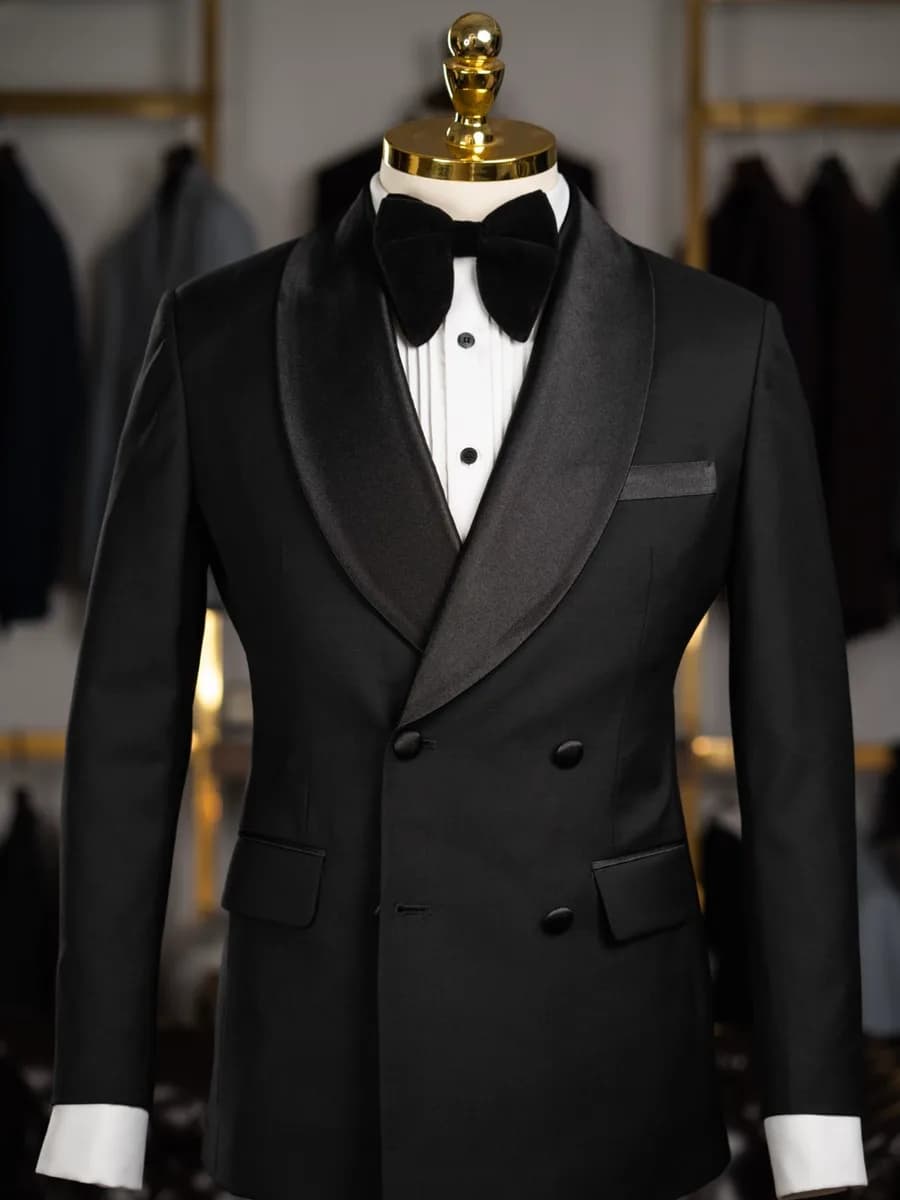
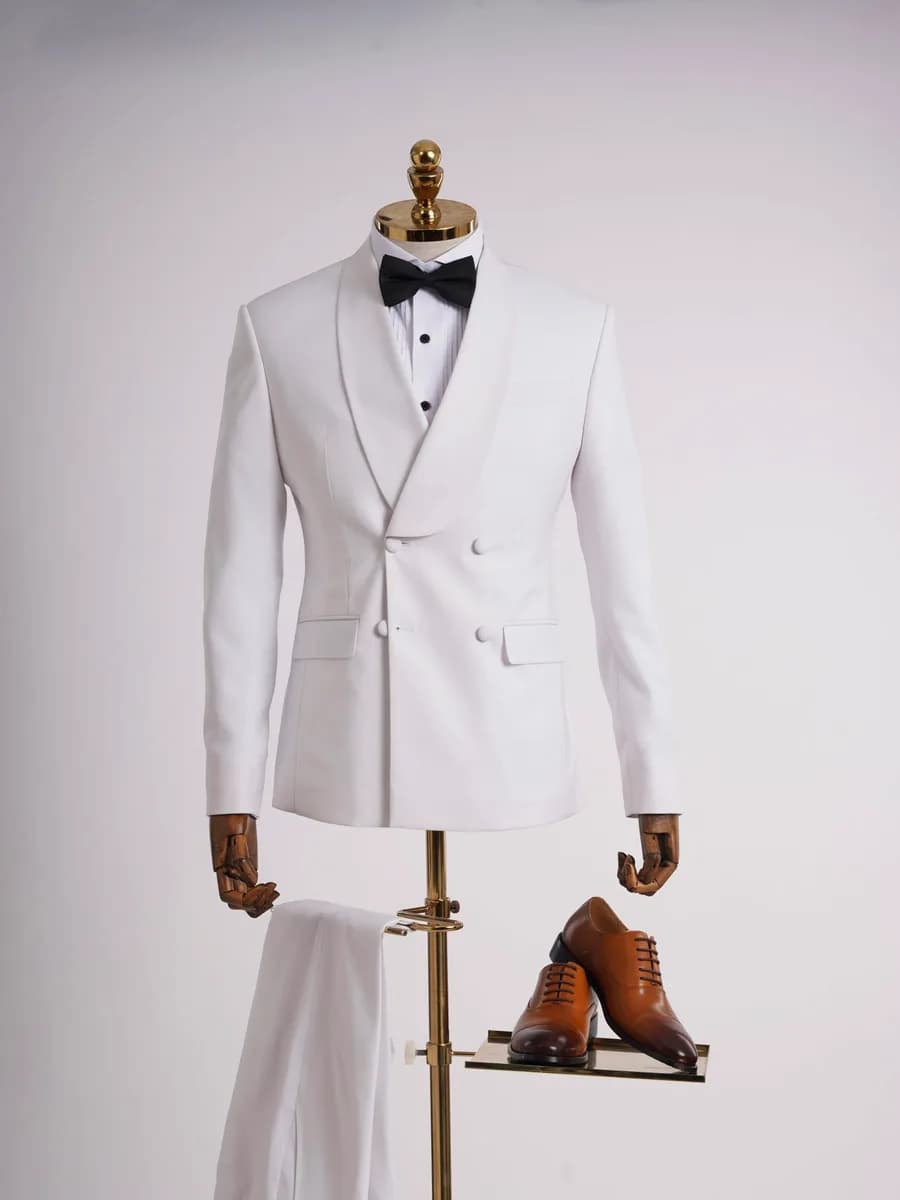
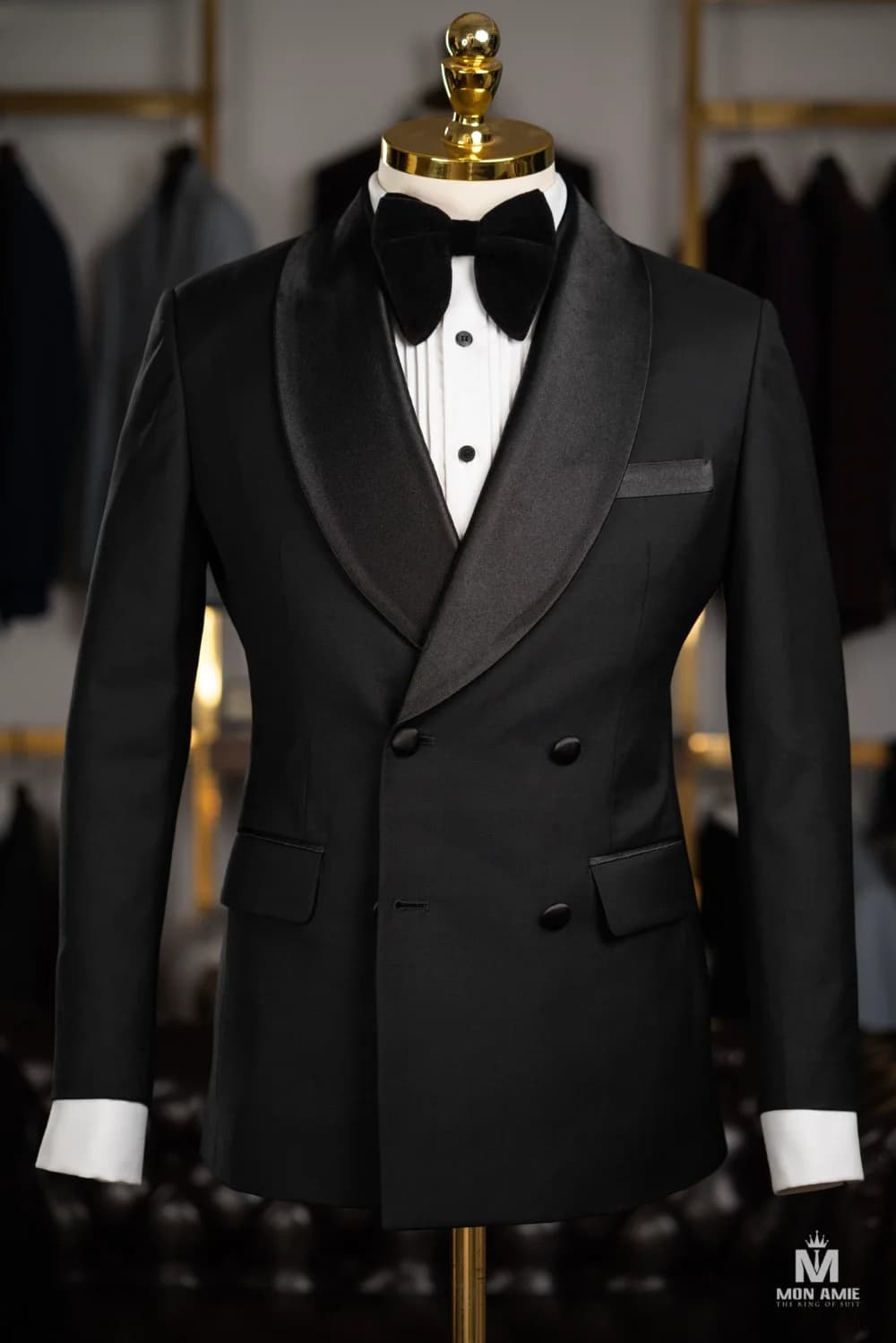
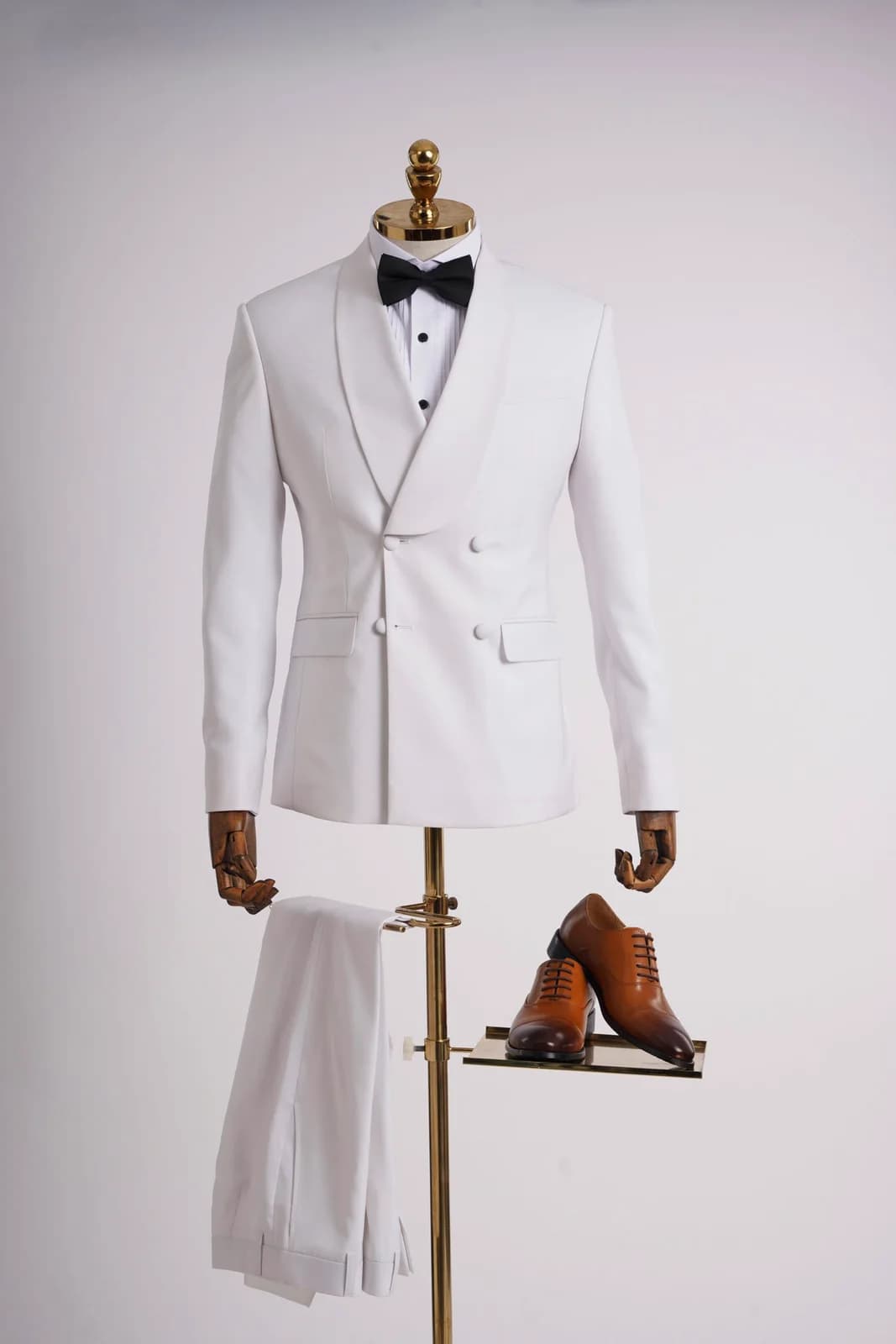
The rule of thumb is that the pocket trim follows the lapel. Satin lapels take satin jets; self-cloth lapels take self-cloth jets. TUX-119 goes a different way: a double-breasted jacket with a large shawl lapel, flap pockets and satin trim, a more relaxed style that still echoes the lapel.
Flap pockets can be tucked in
A flap pocket covers the pocket opening and is common on everyday suits. On a tuxedo it is considered less formal, but you do see it. If your jacket has flap pockets, there is a trick: tuck the flaps inside so the opening looks like a jetted pocket. This makes the jacket neater straight away for an evening.
It works only when the flap is cut flat enough. A thick or stiff flap will bulge. If you know the suit is mainly for galas, ask the tailor for jetted pockets from the start so you do not need to tuck.
Why patch pockets are not for formal wear
A patch pocket is a piece of cloth sewn on top of the jacket. It belongs on blazers, sports coats and summer jackets. For formal wear it is ruled out because:
- It creates a raised area that breaks the line of the jacket.
- It is casual and practical, the opposite of a gala's formality.
- It usually comes with heavier cloths and coarser patterns that do not sit well with satin.
For this reason a tuxedo with patch pockets is generally regarded as an evening blazer rather than true formal wear. Our guide to the construction of a tuxedo jacket gives the wider picture, and details a tuxedo does not have covers what to avoid.
A note on using the pockets
Even with jetted pockets, avoid putting a phone, a thick wallet or keys in the two hip pockets. They make the jacket bulge and spoil the clean line the jets are there to protect. Use the inside pocket, or hand things to your companion.
A tailor's suggestion
When you order a made-to-measure tuxedo, you can choose the pocket style at the fitting along with cloth, lapel and buttons. The tailor will suggest satin or self-cloth jets to suit the fabric you pick. Book a fitting at Mon Amie to see real samples and decide which pocket suits the occasion you have in mind.
Published 11/11/2026 · 07:00 · Editor: Mon Amie