Hard-to-Fit Sizes: Why Made-to-Measure Helps
Long arms, uneven shoulders, a belly or full thighs rarely fit off the rack. A tailor explains how far alterations go and why a custom pattern fits better.
Editor: Mon Amie · Published · about 3 min read
In this article
If you keep choosing between "right in the shoulders but loose at the waist" and "right at the waist but tight across the shoulders", the problem is not your body, it is how ready-to-wear is cut. Off-the-rack clothing is built around an average figure, and anyone who departs from the average in a few places will always be compromising. Made-to-measure suits these men because it starts from your body, not from a size chart.
Measurements that cause trouble
A handful of patterns come up often at the workroom, and they tend to travel together:
- Unusually long or short arms, or arms that differ in length.
- Uneven shoulders: one higher, or one sloping more than the other. Many men only discover this once they put on a jacket.
- A belly combined with a narrower shoulder and chest.
- Full thighs or seat, so trousers that fit the thigh gape at the waist, or the reverse.
- A short neck, rounded back or full chest, which makes the collar stand away from the neck.
A ready-made garment might fit one or two of these. It rarely fits all of them.
How much off-the-rack can be altered
Alterations are limited by how much spare cloth sits inside the seams.
- Easy: sleeve length (where cuffs are not working buttonholes), jacket and trouser length, taking in the sides, hemming.
- Possible but costly: reshaping the body of the jacket, adjusting the trouser waist within a small range, reworking the leg.
- Practically impossible: the shoulder, the collar, lapel placement and the balance of the neck. These decide whether a jacket "stands" correctly, and there is no spare fabric in those seams.
If the shoulder is wrong from the start, working on the waist or sleeves only hides the symptom. For more on this, read our piece on altering a ready-made tuxedo.
What a custom pattern does
The pattern is the drawing from which the cloth is cut. In made-to-measure work the tailor adjusts the pattern to your figure rather than picking a size and fixing it afterwards:
- The shoulder is cut to the slope of each side. If your shoulders differ, the padding height differs so the jacket looks level.
- The belly is accounted for in the body of the jacket and the trouser waist, so the button line lies flat and does not pull diagonally.
- Each arm is measured separately, and shirt and jacket sleeves are matched.
- Extra seam allowance is left in places where later adjustment is most likely.
The result is not simply a good fit in the ordinary sense. The jacket follows you where it should and releases where it should. That is why the same cloth looks so different made to measure. For the difference between levels of custom work, see bespoke and made-to-measure.
Rental and size limits
Renting is quick and sensible if you will wear a tuxedo once. But rental stock is built around standard sizes, men with unusual proportions may not find a good match nearby, and alterations are limited because the garment will be rented to others. Mon Amie offers rental at thuevest.vn with fittings and adjustments, but if your measurements fall outside the common range, ask a consultant first. Rental prices depend on the model, so please enquire directly.
Getting measured properly
A difficult figure deserves a careful measuring session. It helps to:
- Wear a thin shirt and close-fitting trousers rather than a thick sweater.
- Stand naturally, without bracing or arching. The tailor needs your real posture.
- Mention known problem points up front, such as "my left arm is longer" or "my collar always gaps", so they can be checked separately.
- Bring a jacket that has fit you well, as a reference.
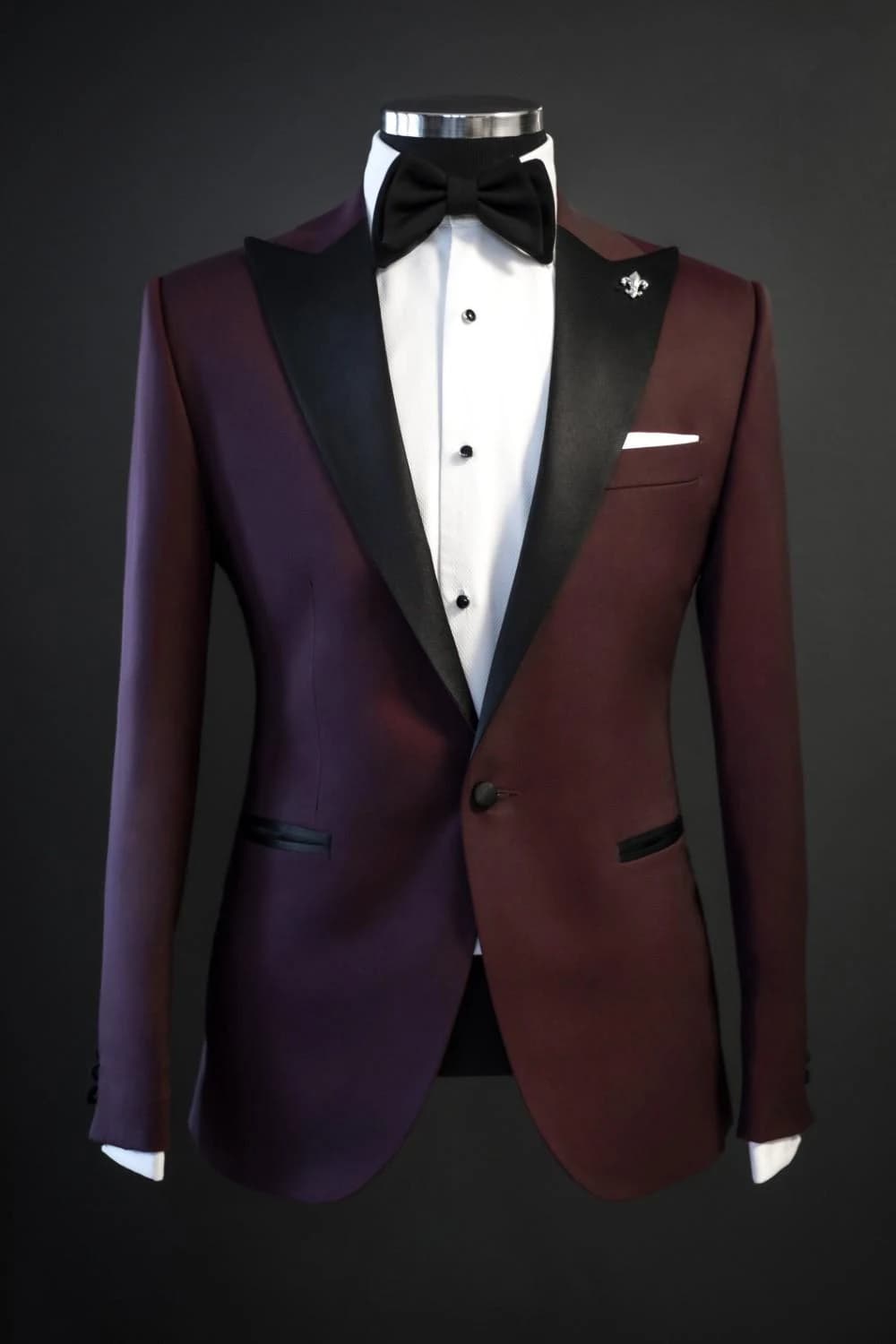
How Mon Amie can help
When your measurements do not follow the standard, made-to-measure is not a luxury but the one reliable way to get a garment that truly fits. Look at made-to-measure tuxedos and book a fitting at a showroom. Making time depends on the model and the fitting schedule; your consultant will confirm it at the measuring, and it is wise to order well before your event so there is room for adjustment.
Published 07/11/2026 · 19:00 · Editor: Mon Amie