Bow tie or necktie with a tuxedo
The bow tie is the black tie standard; a black necktie is a modern, less formal variation. When a necktie can pass, and which kind to choose if you wear one.
Editor: Mon Amie · Published · about 3 min read
In this article
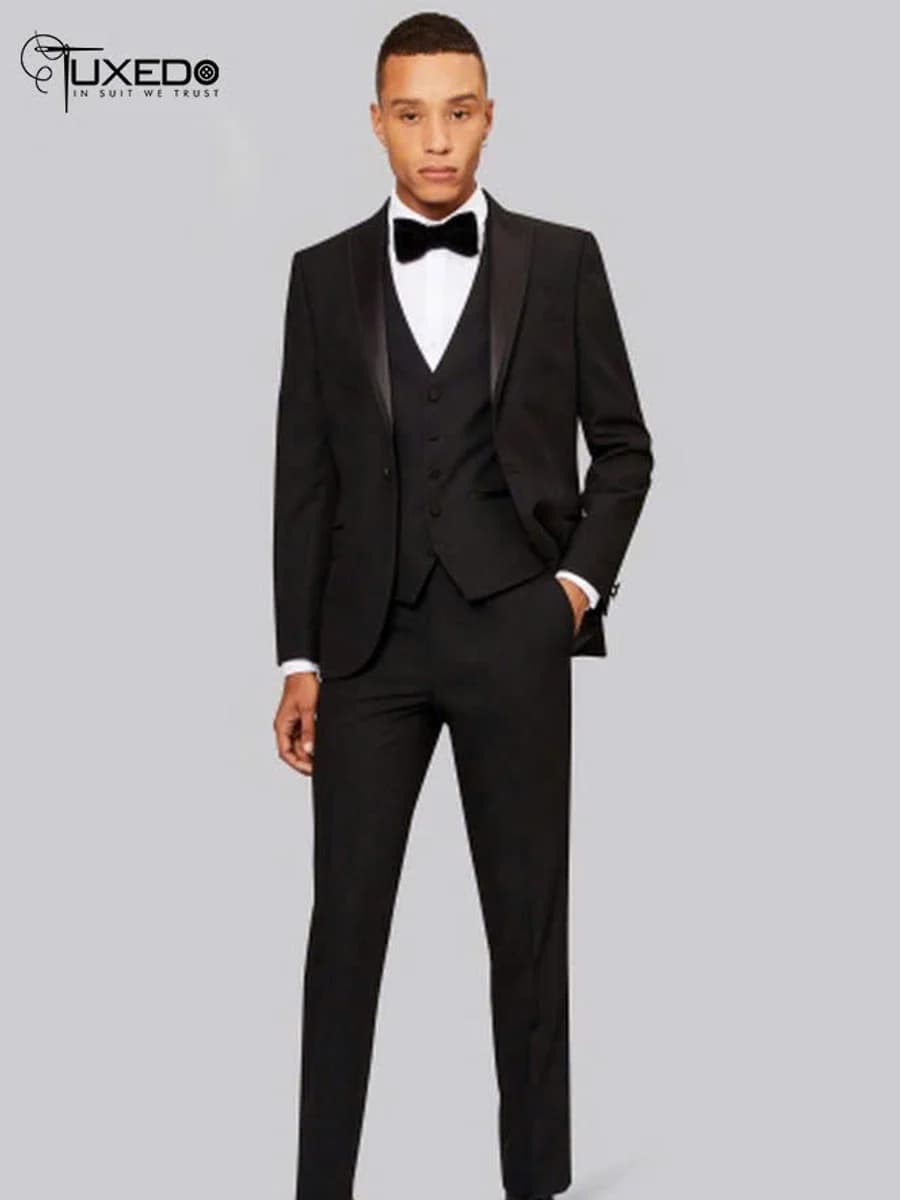
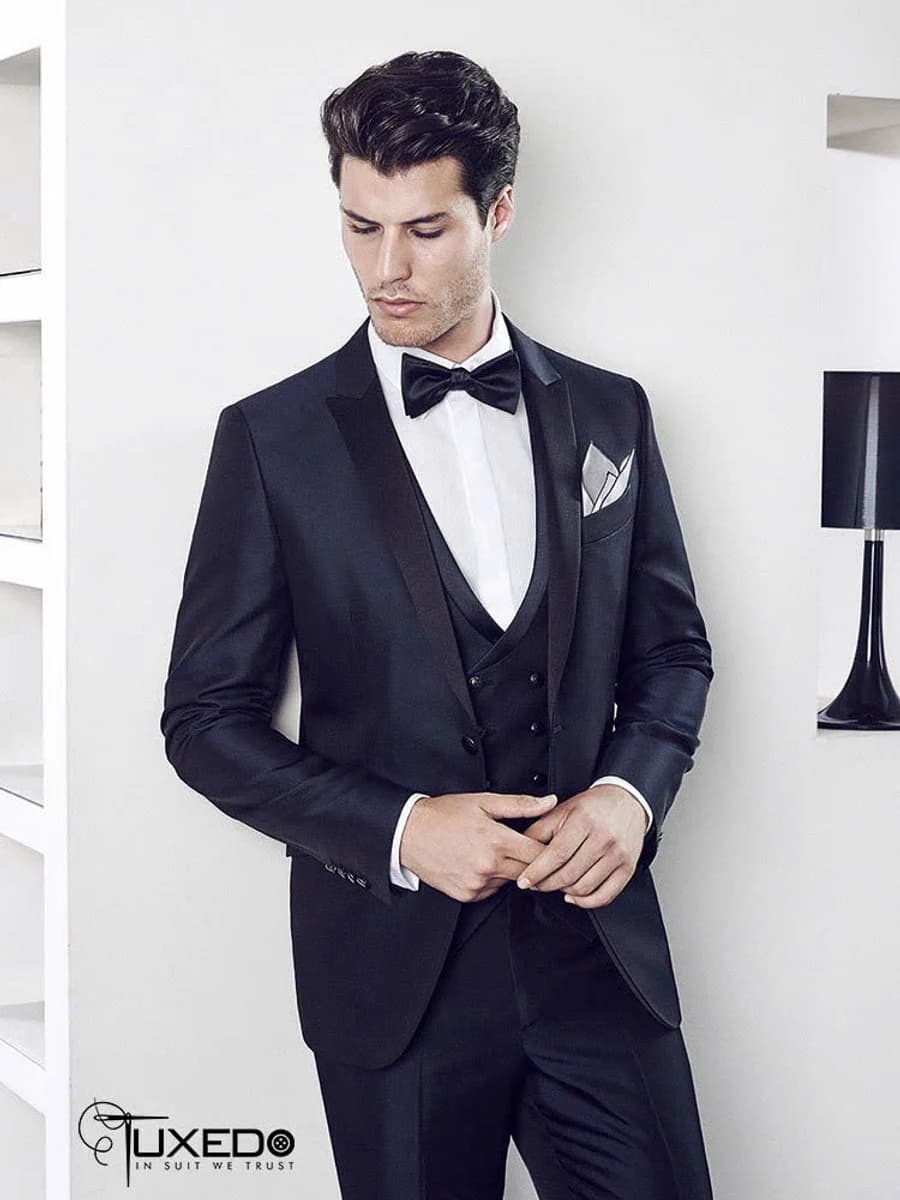
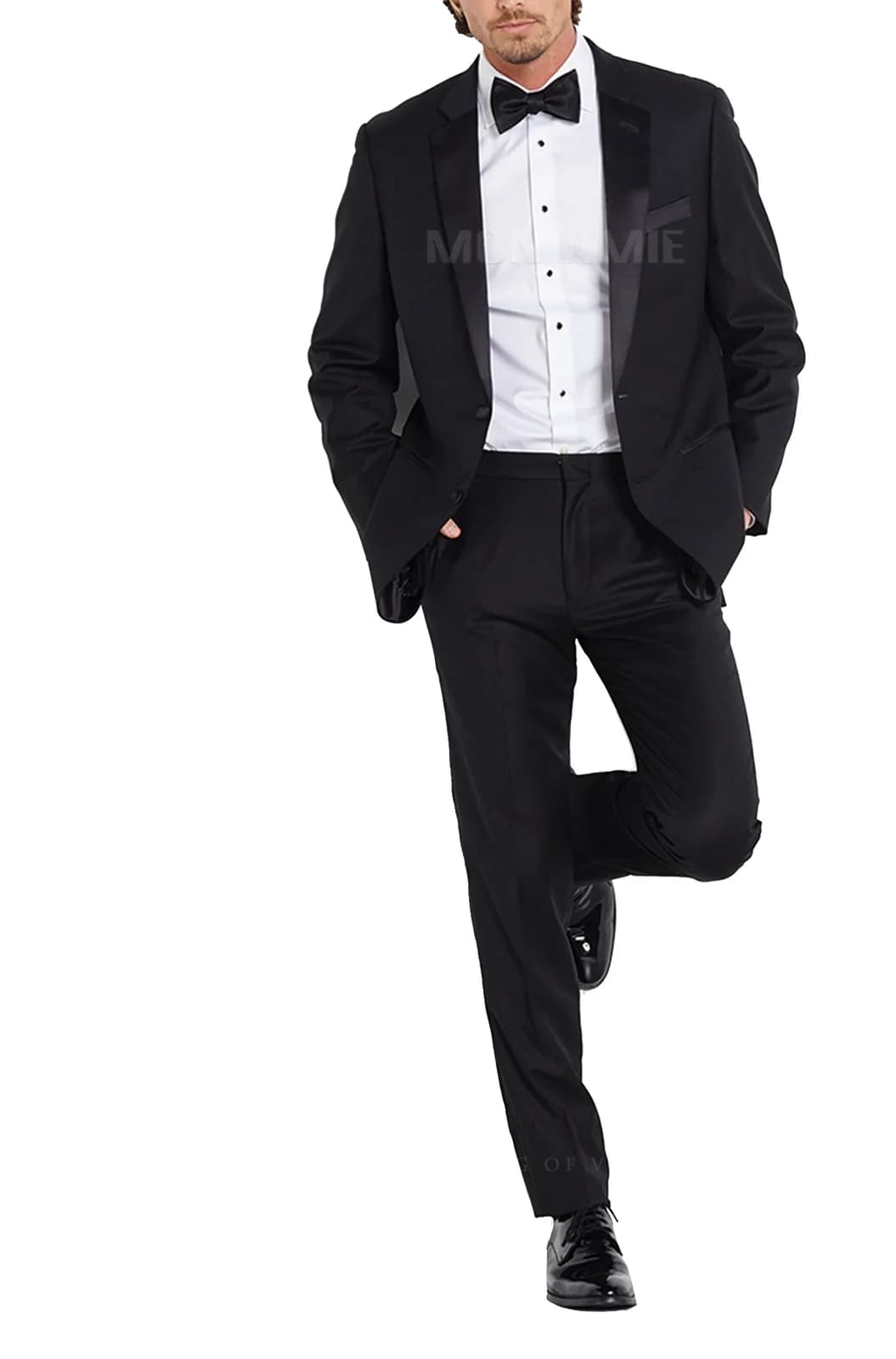
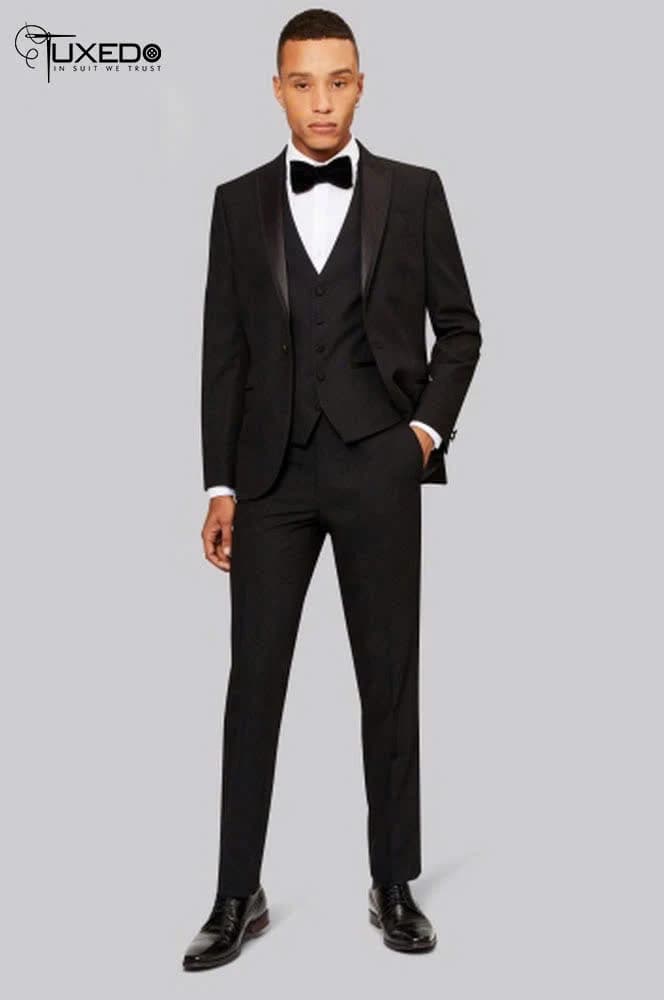
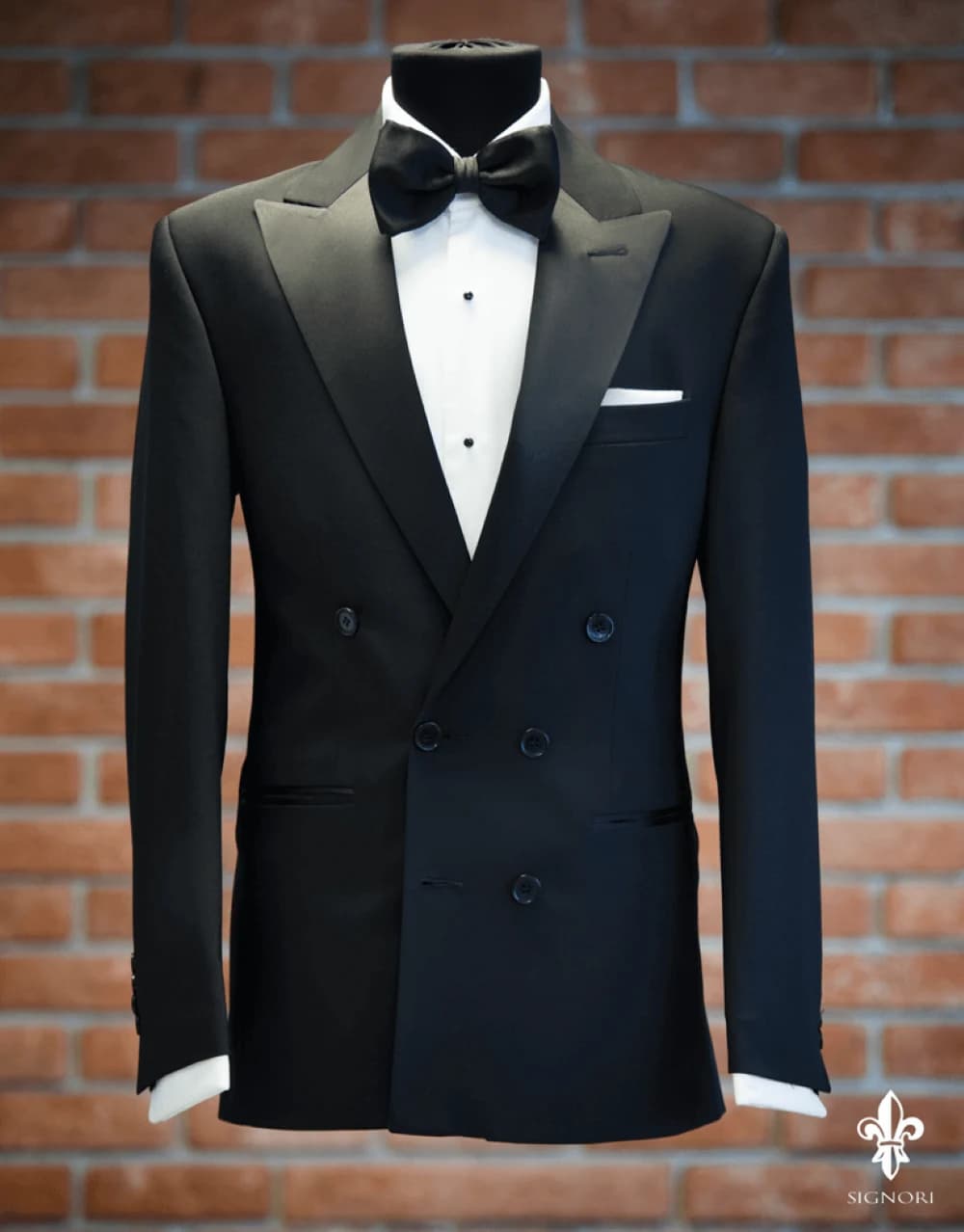
With a tuxedo, the bow tie is the black tie standard and the right choice when the invitation names that dress code. A black necktie is a modern variation, less formal, suitable only for events that are not strict. If the card says black tie, wear a bow tie.
The bow tie: the black tie standard
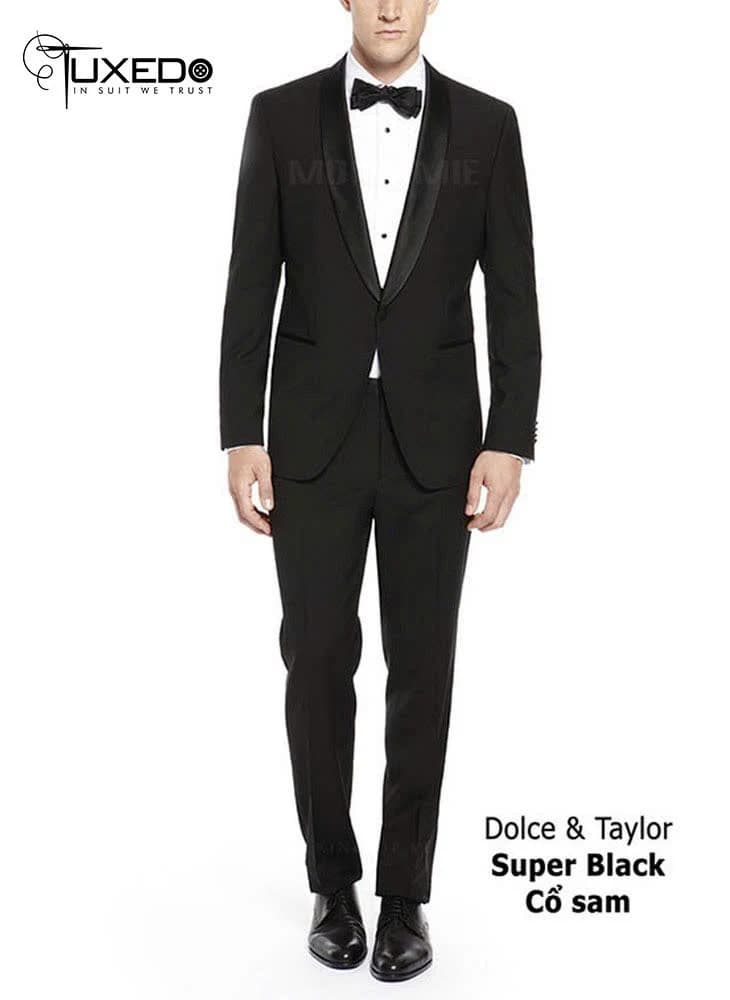
The name "black tie" already points to the black bow tie. Together with a dress shirt, satin lapels and braided trousers, it completes the evening outfit. It is small and sits under the chin, keeping the eye on your face, and it never hangs out beneath a waistcoat or jacket as a long tie does.
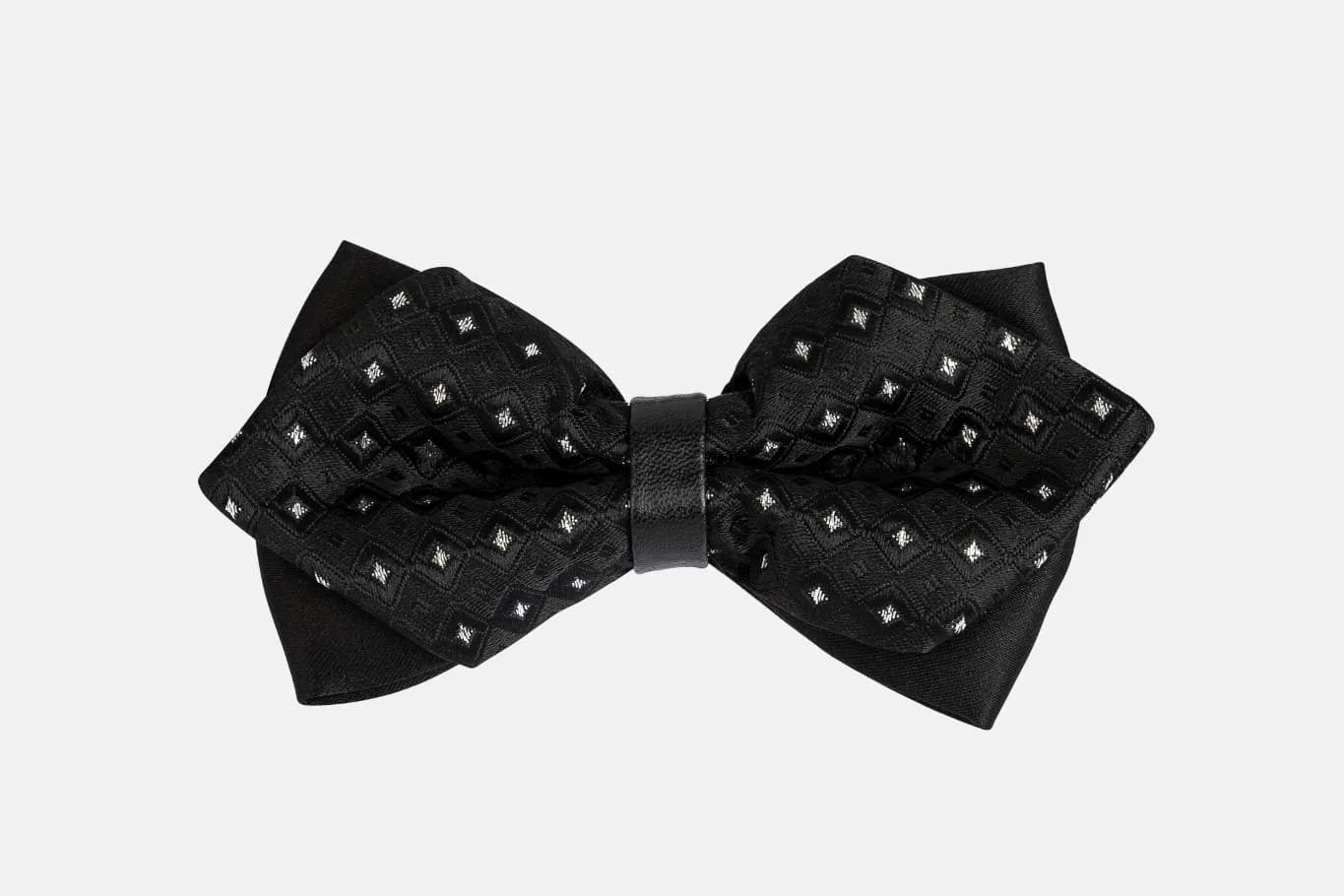
A self-tie bow is favoured by connoisseurs because of its natural, slightly imperfect shape, which shows the wearer knows what he is doing. Our guide to tying a bow tie will help you practise. A pre-tied bow is convenient but easy to spot because it is too even. The origin of the name is told in why it is called black tie.
The black necktie: a modern variation
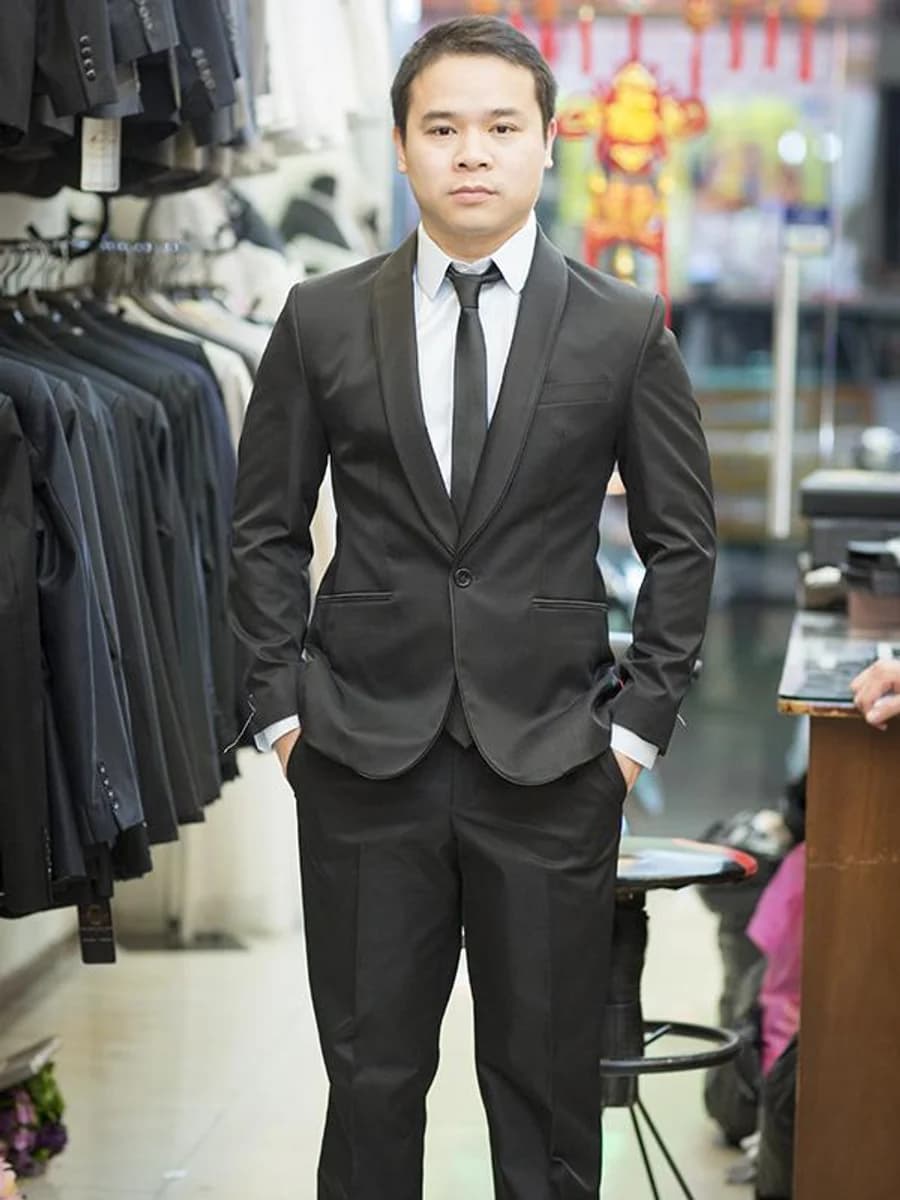
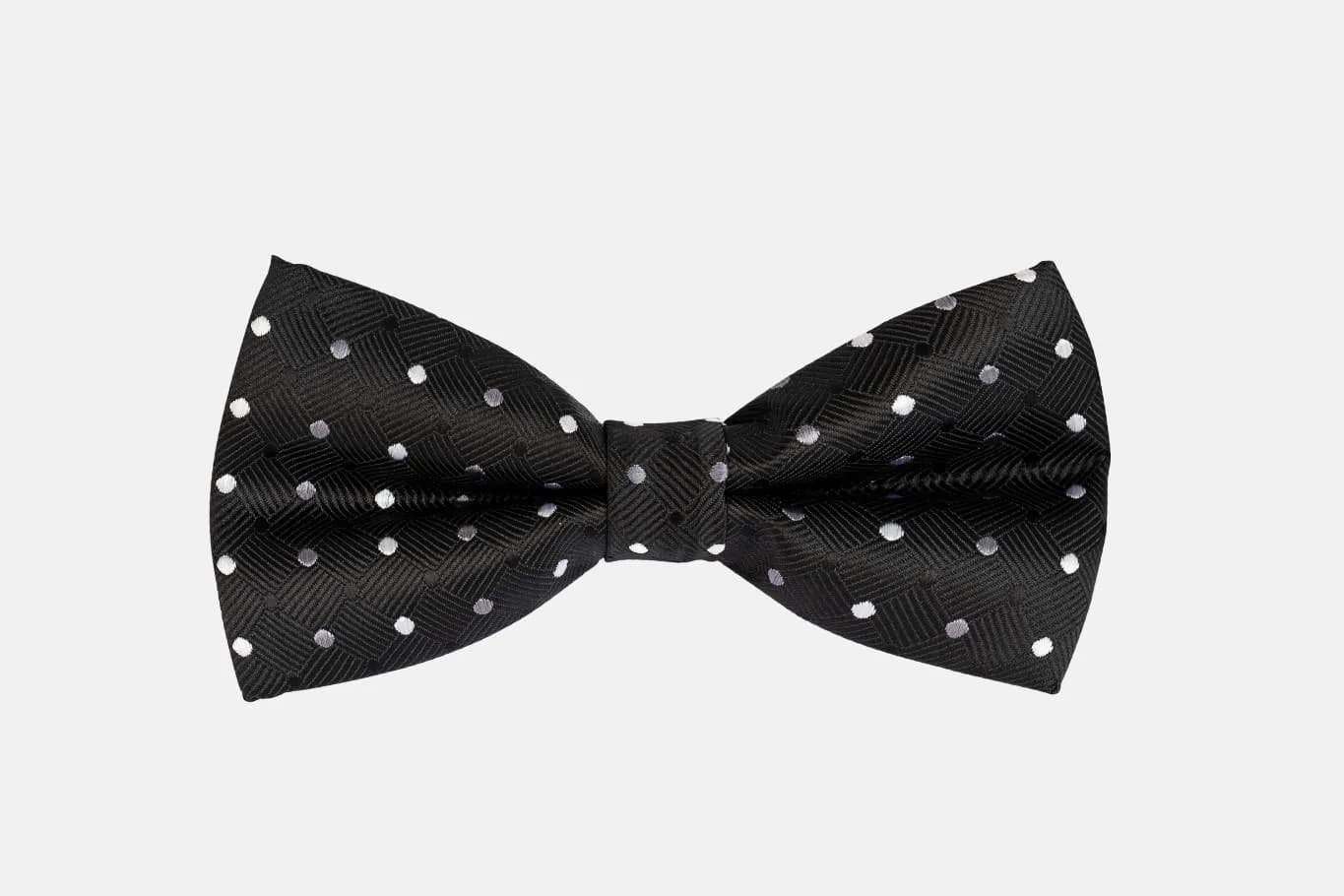
A black necktie with a tuxedo has appeared often in street style, films and entertainment events in recent years. A black tuxedo or suit with a slim black tie looks sharp, young and a little rebellious. It feels more relaxed than a bow tie.
By classic convention, though, a long tie is not part of black tie. It sits closer to the business suit, so the outfit drops one step in formality. One more reason for care: in many places catering staff also wear black with a black tie, so a guest can be mistaken for staff if the styling is careless.
When a necktie can pass
A necktie can be acceptable when:
- The invitation says black tie optional, cocktail, or "dress to impress".
- It is a company party, year-end dinner, opening or creative-industry event where the dress code is loose.
- You need to wear the tuxedo as a dark suit on an ordinary evening.
- The wedding theme is relaxed and the groom wants a gentle point of difference.
Keep the bow tie for award ceremonies, galas and dinners that clearly state black tie, and for weddings in a gala spirit. See also wearing a tuxedo without a bow tie for other options along these lines.
Quick comparison
| Bow tie | Black necktie | |
|---|---|---|
| Formality | Black tie standard | One step lower |
| Feeling | Classic, ceremonial | Modern, sleek, relaxed |
| With a dress shirt and wing collar | Fits | Does not fit |
| Occasions | Black tie, gala, evening wedding | Black tie optional, company parties |
| Risk | Almost none | May be read as off-code |
If you choose a necktie, which one
Once you have decided on a necktie, the details separate style from carelessness:
- Colour: plain black is the safe choice; a very dark midnight blue also works. Avoid bright colours or patterns.
- Material: matte silk or a black knit, not shiny satin, which tilts the outfit towards a waiter's uniform.
- Width: a slim blade of about 5 to 6 cm, narrower than a business tie.
- Shirt: a plain turn-down collar in white; avoid the wing collar, which was made for the bow tie.
- Knot and length: a small, square knot, with the tip reaching the waistband and no longer.
The tuxedo that looks most correct is still the one with a bow tie. If you are unsure and the invitation is not clear about dress code, the bow tie is never wrong.
How Mon Amie can help
Mon Amie helps you choose the bow tie and shirt to go with your tuxedo, and can show you how to tie it. If your invitation's dress code is vague, bring it to the showroom for advice. Book a fitting at the showroom to try accessories in person.
Published 30/10/2026 · Editor: Mon Amie