Breaking In New Patent Shoes Without Cracks or Blisters
New patent shoes rarely fit straight away. Try them on in the afternoon, wear them at home first, use shoe trees and heel grips to avoid blisters and cracking.
Editor: Mon Amie · Published · about 4 min read
In this article
New patent shoes seldom feel right at first, because the glossy coating that makes them shine also stops the leather from stretching the way ordinary calf does. Sore feet and cracked lacquer usually come from buying a size when the feet are at their smallest, or from wearing the shoes for the first time on the night of the event. To avoid both, try them on in the afternoon, wear them around the house in short sessions, keep their shape with shoe trees and deal with the heel before you leave home.
Why patent leather will not stretch like calf
Patent leather is leather finished with a thin coat of lacquer or polymer, smooth as glass. That coating gives the shine, and it is also what resists the leather moving to fit your foot. A plain calf shoe softens within a few wearings and moulds to you. If a patent shoe pinches across the toes or the width of the foot, you cannot count on it giving.
The crease where the shoe bends at the ball of the foot takes the most strain. If the shoe is tight, or you walk hard while the coating is still stiff, the crease can deepen and, over time, hairline cracks may form. So the right fit from the start matters more than any trick afterwards.
Try them on in the afternoon
Feet swell gently through the day, particularly after walking, and that is the same condition they will be in at an evening party. Fit shoes from mid-afternoon onwards, not first thing in the morning.
- Wear the socks you will actually wear with the tuxedo, usually fine silk or wool. Thick socks lead you to buy a size too big.
- Stand with your weight on the shoes before you check the toe. You want roughly a little-finger's width of space beyond the longest toe.
- The widest part of the foot should not be squeezed. Patent will not make room for you.
- The heel should hold firmly and lift only slightly as you walk, not slide out.
- Try both feet. They are rarely identical, so fit to the larger one.
Wear them in at home
Do not take new shoes straight to the event. Spend a few evenings in them indoors, on a flat floor, with the socks you plan to wear.
- Wear them for about half an hour the first time. Walk, sit, stand.
- Build up the time over the next sessions until a few hours feels comfortable.
- Anywhere that starts to feel hot or red is where a blister will appear on the night. Treat it now with a friction patch or by changing how you lace.
Never try to stretch patent leather with heat, whether from a hairdryer or a sunny windowsill. The coating can soften, stick or craze. If the shoe is truly tight, change the size instead of forcing it.
Shoe trees keep the shape
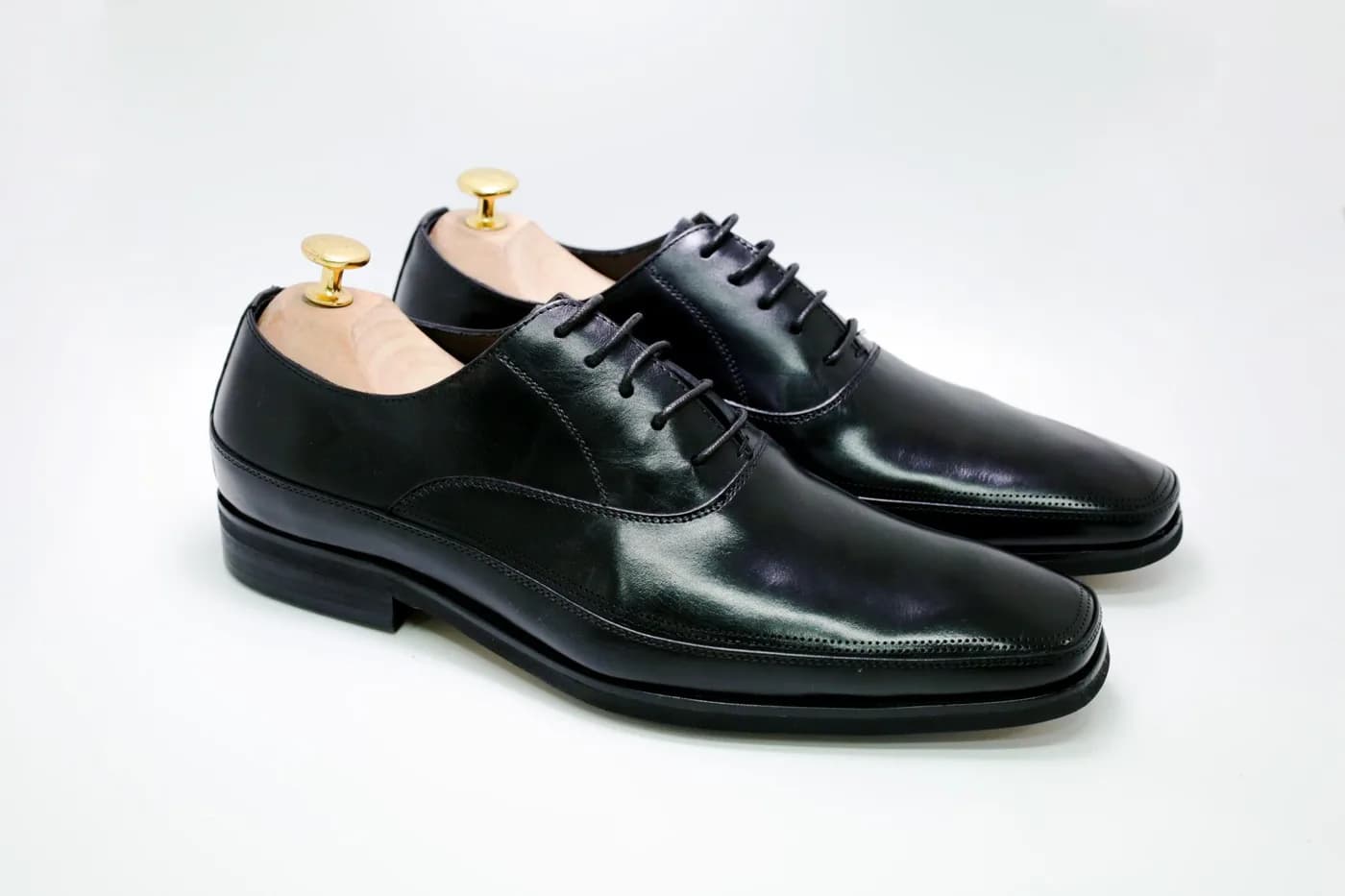
A shoe tree is a wooden form, commonly cedar, that you insert after wearing. It does three jobs at once:
- Keeps the toe taut so creases do not set deeper as the shoe cools.
- Draws out some of the moisture from your feet, which keeps lining and leather from stiffening.
- Smooths the small wrinkles made during wear.
After each outing, wipe the surface with a soft cloth, insert the trees and store the shoes in a cloth bag rather than squashed in a box. Longer-term care is covered in Caring for patent leather shoes.
Heel grips and small helpers
The heel is where new leather most often hurts, because it is stiff there and has not yet learned the shape of your foot. A few small items help:
- Heel grips: stick inside the back of the shoe to hold the heel so it does not slip. Choose a soft, thin one so the toe box is not crowded.
- Blister patches: apply to the heel or instep before wearing if a hot spot appeared during your trial at home.
- Half insoles: useful if the shoe is a little loose at the front, though thick ones press on the instep.
To be honest, these are comfort aids and cannot save a shoe of the wrong size. If you feel pain on the bone, numb toes or unusual red marks during the home trial, return the shoes and change the size.
The style of shoe matters too
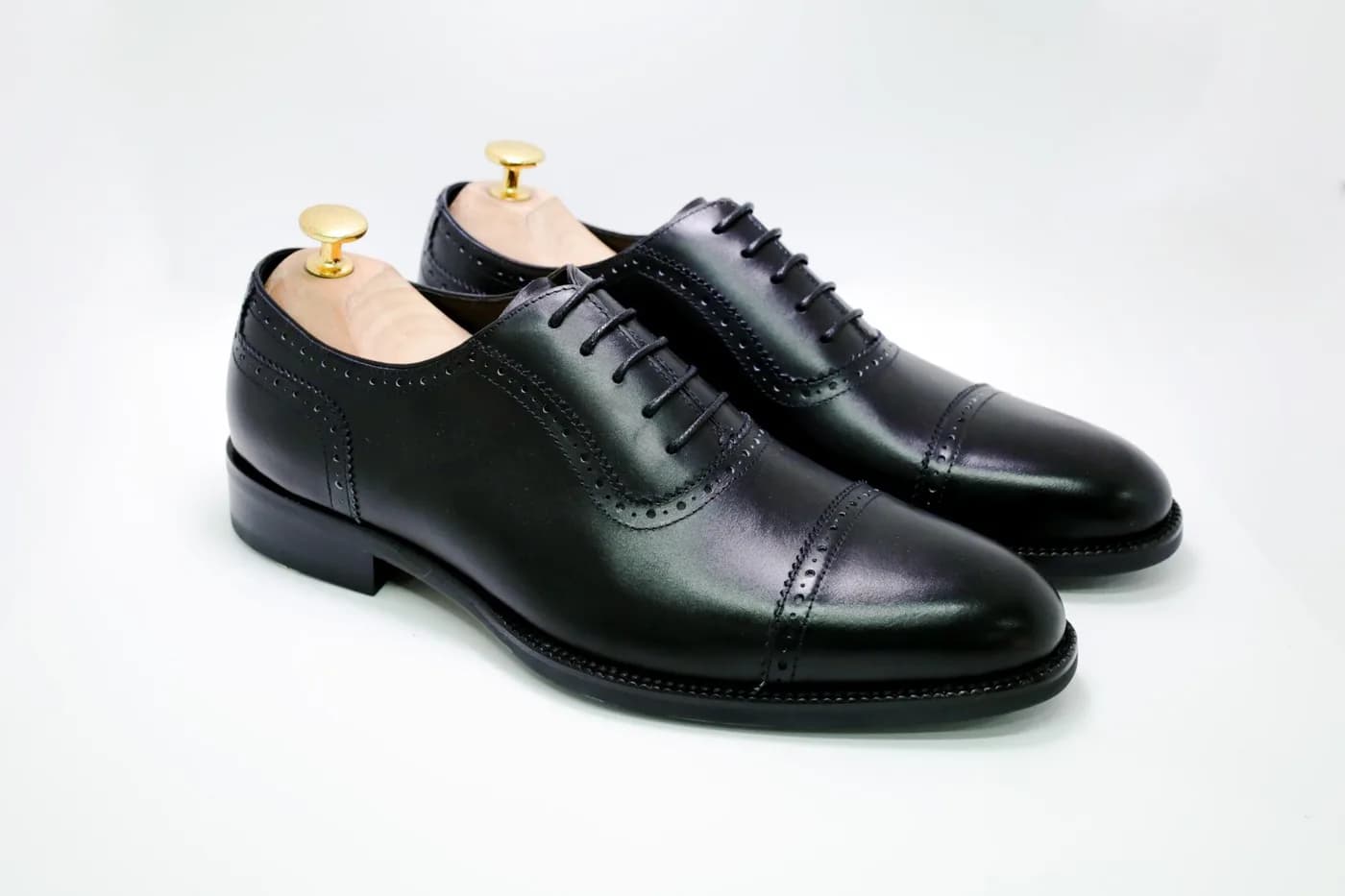
A lace-up Oxford holds the foot more securely than a slip-on opera pump, but the closed instep can feel heavier on a high-arched foot. Each has its own trade-off, discussed in Patent Oxfords for a tuxedo.

Book a fitting at Mon Amie
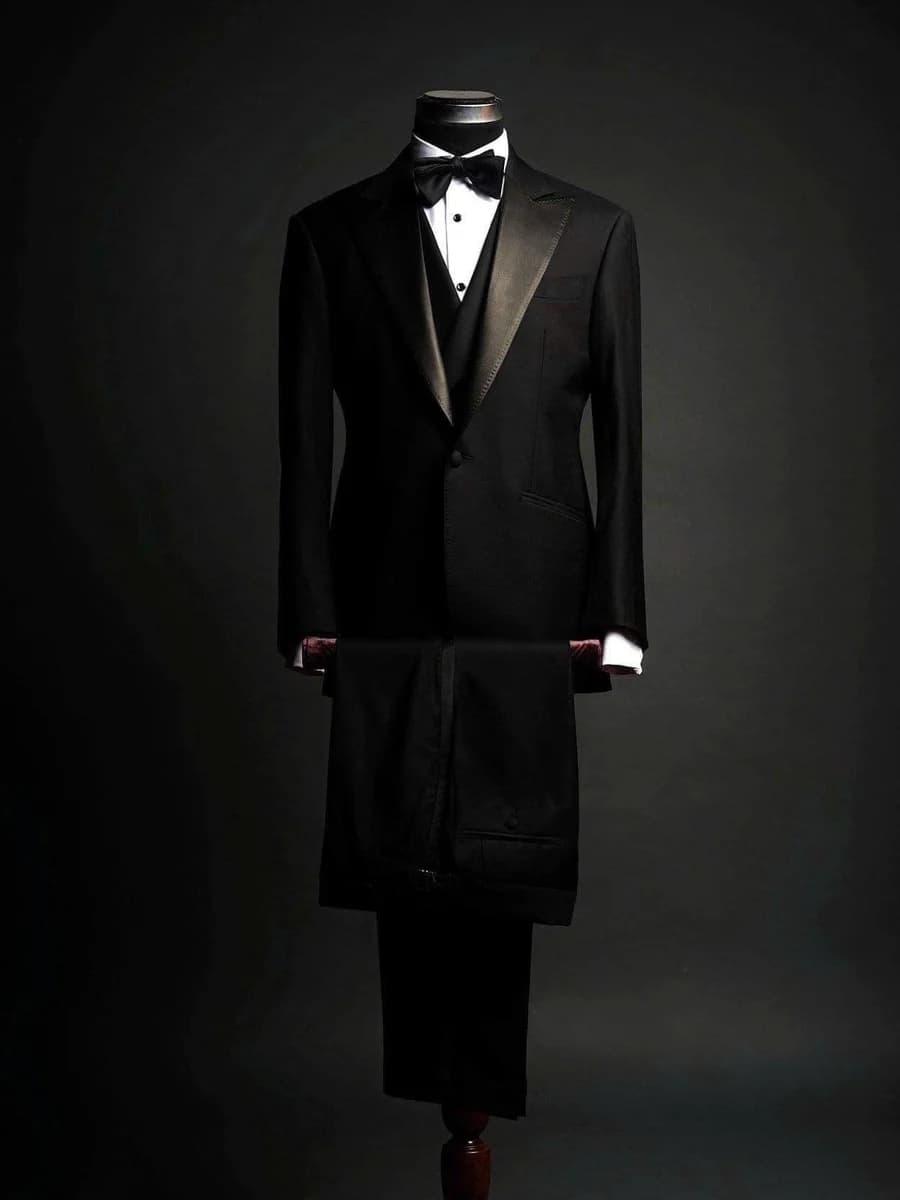
When you try your tuxedo, bring the shoes you intend to wear so the tailor can set the trouser hem against the toe and heel height. For a made-to-measure tuxedo this gives a much cleaner result than guessing. Book a fitting at the showroom to judge everything from shoe to trouser break in the mirror.
Published 21/11/2026 · 11:30 · Editor: Mon Amie